


How to Choose a Front Bumper Body Kit
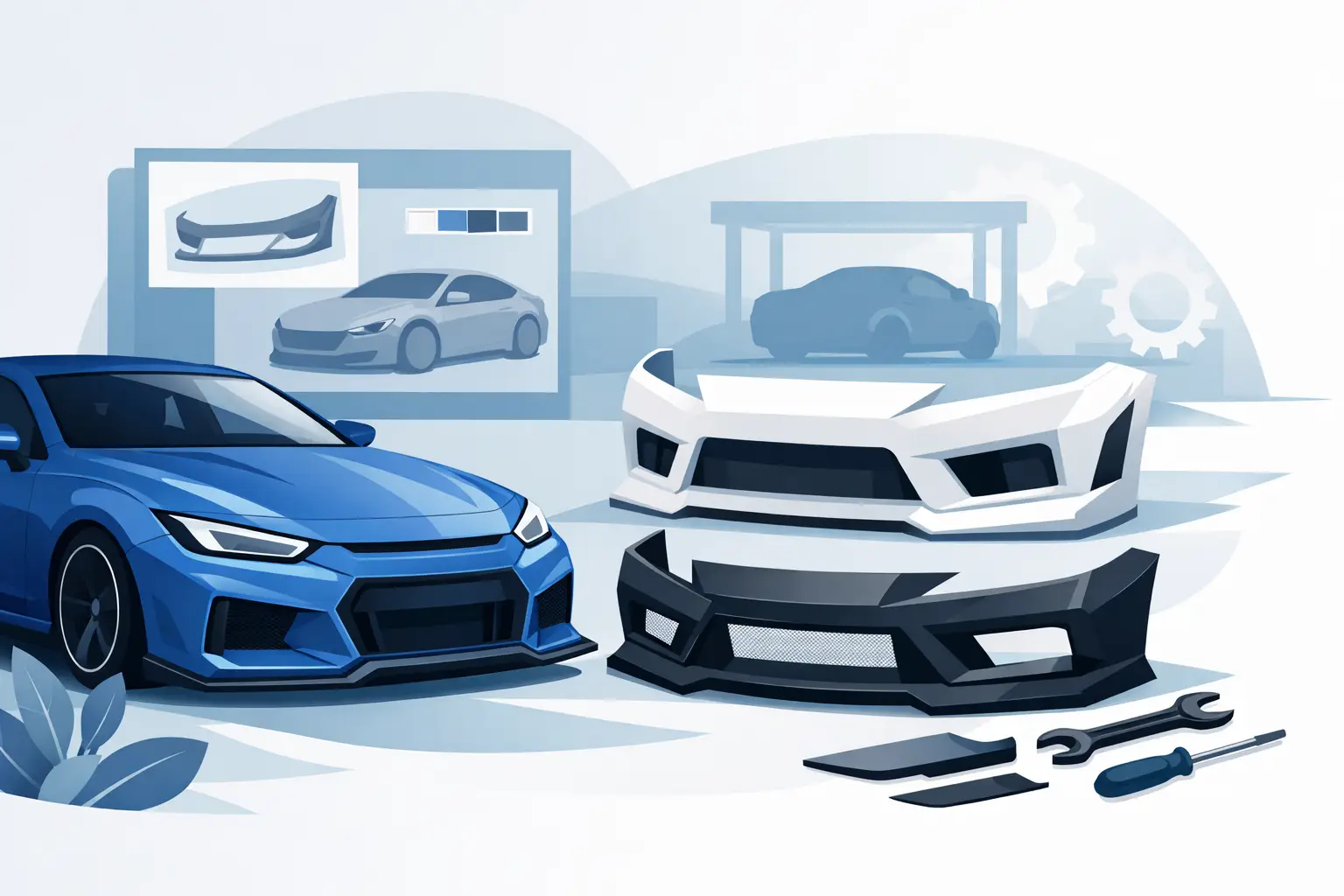
A front-end upgrade can change the whole look of a vehicle faster than almost any other exterior part. If you are shopping for a front bumper body kit, you are probably trying to do one of two things – replace a worn or damaged piece, or give your car a cleaner, sportier, more aggressive style without wasting time on the wrong fit.
That is where a little clarity helps. The best choice is not always the flashiest design or the lowest price. It is the kit that matches your vehicle, your budget, and how you actually drive.
What a front bumper body kit really changes
A front bumper body kit is more than a cosmetic add-on. It reshapes the most visible part of the vehicle and can affect ground clearance, airflow, and the overall balance of the car’s appearance. On some models, it creates a more factory-style upgraded look. On others, it pushes the design toward a custom street build.
For everyday drivers, the main goal is usually appearance and replacement value. If your original bumper is cracked, scraped, or faded, a new kit can refresh the front end and make the vehicle look newer without the cost of a full exterior overhaul. For enthusiasts, the appeal often comes down to sharper lines, larger air openings, or a lower stance.
The trade-off is simple. A more aggressive design may look better to you, but it can also be less forgiving on steep driveways, rough roads, or daily commuting. That is why fit and practicality matter just as much as style.
How to shop for a front bumper body kit without guesswork
The first thing to check is exact vehicle compatibility. Year, make, model, trim, and sometimes submodel all matter. Two cars that look nearly identical can still have different mounting points, sensor placements, grille shapes, or fog light openings. Buying based on appearance alone is where a lot of frustration starts.
You should also think about what is included. Some front bumper body kit listings cover only the bumper cover itself, while others may include lips, grilles, bezels, mesh inserts, or hardware. If you are comparing prices, make sure you are comparing the same level of completeness.
Material is another major factor. ABS plastic is a popular option because it tends to balance durability, appearance, and everyday usability. Polyurethane is often valued for flexibility, which can help with minor impacts and road use. Fiberglass can offer a sharp custom look, but it may require more care and can be less practical for daily drivers who deal with potholes, curbs, and uneven pavement. There is no single right answer here. If you want easy ownership, durability usually beats extreme styling.
Front bumper body kit fitment matters more than photos
Product photos can make almost any kit look perfect. Real-world fitment is what decides whether the upgrade feels worth it after delivery.
A properly matched front bumper body kit should align with factory body lines, lighting areas, grille openings, and wheel arch contours. When fitment is off, the result is usually visible right away – uneven gaps, awkward edges, or extra work during installation. That can add cost even if the original purchase price looked like a deal.
This is one reason many shoppers prefer buying from a retailer with broad automotive selection and clear fitment information. When the shopping experience is organized well, it is easier to compare options by vehicle and avoid the trial-and-error approach. On a convenience-focused site like Vespena.com, that kind of straightforward browsing can save time if you are already shopping across multiple needs and want an easier path from search to checkout.
Picking the right style for your vehicle
Not every front bumper design works on every car. A good style match should look intentional, not forced.
If you drive a daily commuter or family vehicle, a cleaner OEM-plus style often makes the most sense. These kits tend to look close to factory, just more refined or slightly sportier. They are easier to live with and usually appeal to a wider range of buyers if you ever sell the vehicle.
If you own a sport compact, coupe, or project car, you may want a more aggressive front profile. Larger vents, splitter-inspired lines, and lower side contours can create a stronger custom look. Just be honest about your roads and parking habits. A low front bumper might look great in photos and become annoying every time you pull into a parking lot.
Color and finish also matter. Some kits come primed and ready for paint, while others may arrive unpainted. If you want a factory-like result, budget for paint matching and prep. A lower upfront price can stop looking like a bargain once finishing costs are added.
Daily driver or show car? Buy for real use
This is where many buyers can save money by being realistic. If your vehicle is a daily driver, convenience and durability should stay near the top of your list. You want a front bumper body kit that installs cleanly, handles normal road use, and does not create new problems with clearance or maintenance.
If the vehicle is more of a weekend car, your priorities can shift toward design and visual impact. You may be more willing to accept a lower ride look, more involved installation, or extra finishing work. Neither approach is better. It just depends on how the vehicle fits into your routine.
Weather matters too. In areas with rough winters, road debris, and uneven pavement, a highly aggressive low-profile bumper can be harder to maintain. In milder climates or urban settings with smoother roads, you may have more flexibility.
Price, value, and what shoppers should compare
A smart buy is not always the cheapest listing. The better question is what you are getting for the price.
Look at the material, included components, finish condition, and fitment details. Think about whether professional paint or installation will be needed. Also consider shipping speed and how easily you can get support if you have questions before ordering. For many shoppers, convenience is part of the value. A competitive price means more when it comes with a smoother buying process and less back-and-forth.
It also helps to compare replacement goals versus upgrade goals. If you simply need to restore a damaged front end, a clean, affordable OE-style option may be the best value. If you want a custom look, paying a bit more for a style you actually like can make sense, especially if it saves you from replacing it again later.
Installation expectations before you buy
Some buyers plan to install a front bumper body kit themselves, while others prefer a body shop. Either route can work, but you should know what the job may involve.
Even with vehicle-specific designs, installation can include test fitting, transferring factory components, lining up mounting points, and prepping the surface for paint. If your vehicle has fog lights, sensors, trim pieces, or special grille components, make sure the kit is designed to accommodate them. Small differences in design can create extra steps.
If you are not comfortable with body panel work, professional installation may be the better move. It can cost more upfront, but it often reduces the risk of poor alignment or finish issues. That is especially true for shoppers who want the final result to look polished and factory-level.
When a front bumper body kit is worth it
A front bumper body kit is worth buying when it solves a clear need – better appearance, replacement after damage, or a more personalized style that fits your vehicle and budget. It is less worth it when the decision is rushed and based only on a dramatic product image or a low price.
The best purchase usually comes down to three things: confirmed fitment, material that matches your driving habits, and a style you will still like after the excitement of checkout wears off. When those pieces line up, the upgrade can make your vehicle feel refreshed every time you walk up to it.
If you are shopping now, take the extra minute to verify the details before ordering. A good front-end upgrade should make your car look better and your buying experience feel easier, not more complicated.












Leave a comment