


All Weather Floor Mats Review Guide
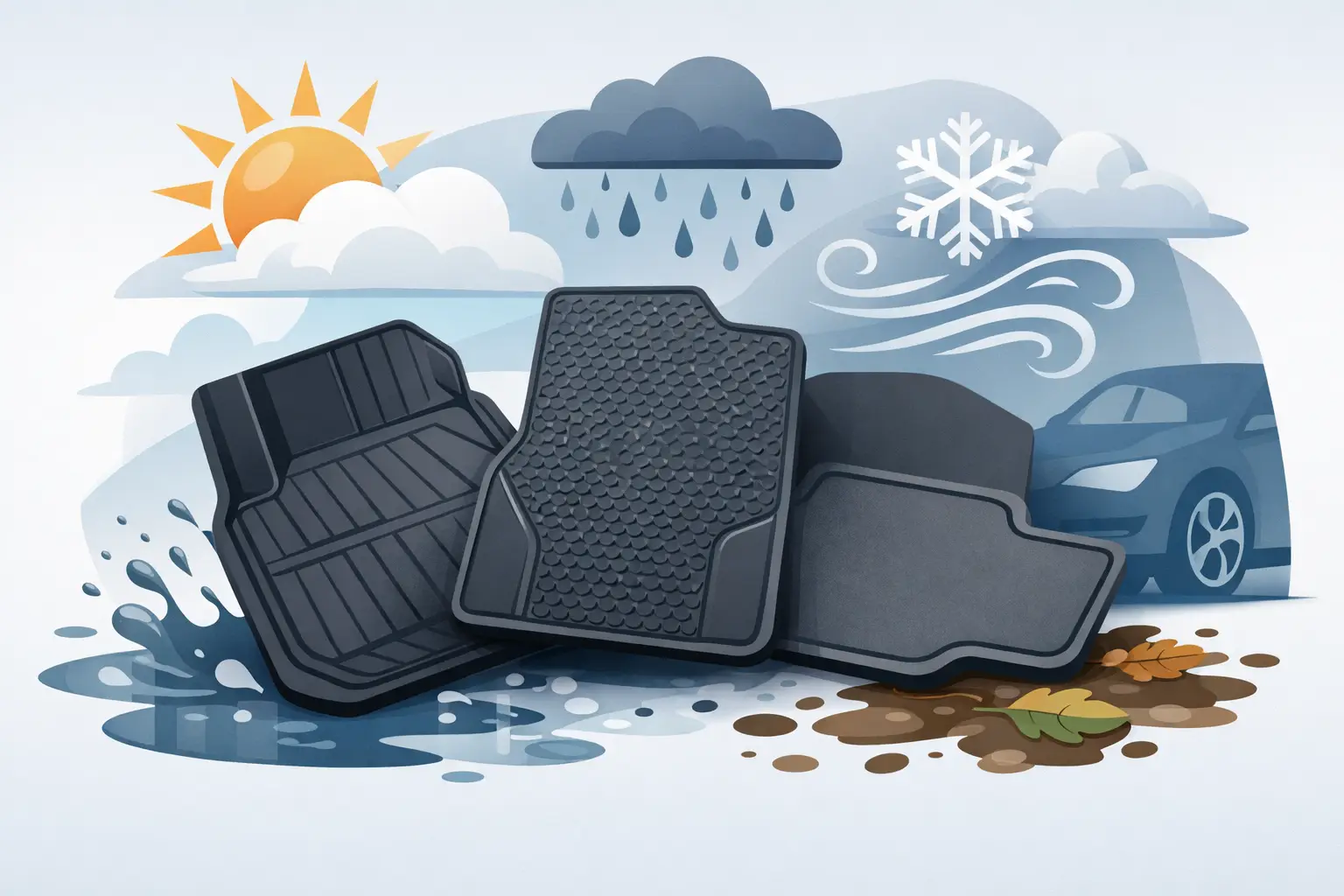
Mud on Monday, spilled coffee on Wednesday, slush by Friday – that is usually all it takes for factory carpet to start looking worn. This all weather floor mats review is built for drivers who want a cleaner interior without overthinking the purchase. If you are shopping for a simple upgrade that protects resale value, cuts cleanup time, and still fits your budget, the right mat makes a noticeable difference every day.
What matters most in an all weather floor mats review
Not all all-weather mats solve the same problem. Some are built mainly for light daily use and easy vacuuming, while others are designed to trap snow, sand, work debris, and wet messes before they spread across the cabin. A mat that looks good in photos can still disappoint if the edges are too low, the surface gets slick, or the fit leaves carpet exposed near the pedals and door sills.
That is why the best all weather floor mats review focuses on real ownership factors, not just first impressions. Fit, coverage, material quality, odor, ease of cleaning, and price all matter. A budget-friendly set can be a smart buy if it covers the high-traffic areas well and stays in place. A premium set can be worth it if you live with snow, rain, kids, pets, or jobsite dirt on a regular basis.
Fit makes or breaks the purchase
The first thing to look at is whether you are buying vehicle-specific mats or a trim-to-fit universal set. Vehicle-specific mats usually give the cleaner result. They follow the floor shape more closely, work better around seat rails and footrests, and tend to leave fewer gaps where water and debris can sneak through.
Universal mats are the value option, and sometimes they are all a shopper needs. If you drive in mild conditions or want basic protection for an older vehicle, a universal set can do the job at a lower price. The trade-off is coverage. Even when trimmed correctly, they may not sit as neatly around contours, and that can mean more exposed carpet in the areas that get dirty fastest.
For drivers who care about a factory-like look, better edge coverage, and less shifting underfoot, custom-fit usually wins. For shoppers focused on fast ordering and affordable protection, universal mats still deserve a look.
Front row coverage is where quality shows up fastest
The driver side mat takes the most abuse. Heel wear, water from shoes, salt, gravel, and fast entry-exit traffic all hit that one spot first. In any all weather floor mats review, the front row deserves extra attention because weak coverage there shows up quickly.
A good front mat should cover the dead pedal area when applicable, leave room for safe pedal movement, and stay anchored without curling at the edges. Deep channels are especially useful if you deal with wet weather. They help hold water and grime in place instead of letting it wash across the carpet when you brake or turn.
Material: flexible rubber vs rigid thermoplastic
Most all-weather mats fall into two broad material categories. Flexible rubber mats are often easier to handle, easier to shake out, and less likely to crack in cold weather. They also tend to have a familiar utility feel that works well in trucks, family SUVs, and commuter vehicles.
Thermoplastic mats usually look more structured and often deliver more defined channels and raised edges. They can give the interior a more tailored appearance, which appeals to drivers who want protection without a bulky look. The trade-off is that some lower-quality versions can feel stiff, especially in colder climates, and may take longer to flatten fully after shipping.
There is also the question of smell. Some mats have a strong rubber odor at first, especially lower-cost options. That does not always mean poor performance, but it can be annoying during the first few days. Higher-quality materials usually air out faster and feel more refined inside the cabin.
Raised edges and channels are worth paying for
A flat mat is better than bare carpet, but only to a point. If your biggest concern is dry dust or light debris, a simple textured surface may be enough. If you deal with rain, snow, beach sand, pet messes, or kids tracking in everything from juice to crushed crackers, raised edges and molded channels do much more of the heavy lifting.
These features keep mess contained. That matters during cleanup, but it also matters while you drive. Water that stays trapped inside the mat is less likely to reach the carpet padding underneath, where moisture can linger and create odor problems over time.
This is one area where cheaper mats often reveal their limits. They may look similar in product images, but shallow grooves and low sidewalls do not hold much once conditions get messy.
Cleaning should be quick, not annoying
The whole point of all-weather mats is easier maintenance. If they are awkward to remove, too floppy when full of water, or textured in a way that holds onto dirt, the convenience drops fast. The best mats are easy to lift out, rinse off, wipe down, and reinstall without fuss.
Lighter debris should come off with a shake or vacuum. For heavier mess, a hose and mild soap should be enough. Mats with aggressive patterns can trap grit more effectively, but they can also take longer to wash thoroughly. That is another trade-off worth considering. The more containment a mat offers, the more detail it may need during cleanup.
For many drivers, the sweet spot is a mat with enough channel depth to catch dirt and moisture, but not so many narrow grooves that scrubbing becomes a chore.
Looks matter more than some buyers expect
Even practical accessories affect how your vehicle feels day to day. A well-fitted all-weather mat can make the interior look cleaner and more intentional, especially in newer vehicles. A cheap-looking mat that slides around or leaves visible gaps can make the cabin feel less put together.
Black is the safest pick for most shoppers because it hides dirt and works with nearly any interior. Tan and gray options can blend better with certain factory color schemes, but they may show stains sooner. If appearance matters to you, it is worth checking how closely the mat style matches your interior before buying.
This does not mean you need the most expensive set. It means the best value is not always the lowest price. A slightly better fit and finish can make a daily-use accessory feel like a smarter purchase over time.
Price and value: where shoppers should be realistic
A fair all weather floor mats review should say this clearly: more expensive does not automatically mean better for every driver. The right choice depends on how you use your vehicle.
If your car mainly sees paved roads, office commutes, and occasional bad weather, a mid-range mat set is often enough. You want solid front coverage, basic retention, and material that cleans easily. Paying top dollar for extreme-duty protection may not give you much extra benefit.
If you have a truck, a family SUV, a rideshare vehicle, or a car that sees snow, mud, sports gear, or work boots, premium mats can earn their keep. Better coverage, stronger retention points, and deeper containment can save your carpet from the kind of wear that lowers interior appeal and resale value.
For shoppers who want broad selection and straightforward ordering, Vespena.com makes it easier to compare automotive accessories without bouncing between multiple niche stores. That convenience matters when you want a practical upgrade without spending half the day researching.
Who should buy all-weather mats right away
Some upgrades are optional. This one is close to essential if you regularly deal with wet shoes, messy passengers, pets, or outdoor activity. Drivers in rainy states, snowbelt regions, and sandy coastal areas get the most obvious benefit, but city commuters and family-car owners also save time on interior cleaning.
They are also a smart buy if you lease your vehicle or plan to sell it later. Carpet condition affects how clean and cared-for the interior looks. Protecting it now is usually cheaper than trying to fix it later.
When carpet mats might still make sense
There are cases where carpet mats still work. If your vehicle is mostly a fair-weather car, stays garaged, and you care more about a plush factory look than heavy-duty protection, carpet may feel more upscale. Some drivers even switch seasonally, using all-weather mats during winter or rainy months and carpet mats the rest of the year.
That kind of setup is less convenient, but it can make sense if appearance is your top priority and your driving conditions are mild.
Final take on this all weather floor mats review
For most drivers, all-weather floor mats are one of the easiest interior upgrades to justify. They protect high-traffic areas, simplify cleanup, and help your vehicle stay looking better with less effort. The key is buying for your actual routine, not just for the lowest price or the flashiest design.
Choose the fit and material that match your climate, your passengers, and how much mess your vehicle sees in a normal week. When the right set goes in, you stop worrying so much about what comes in on your shoes.













Leave a comment