


Portable Jump Starter Review for Everyday Drivers
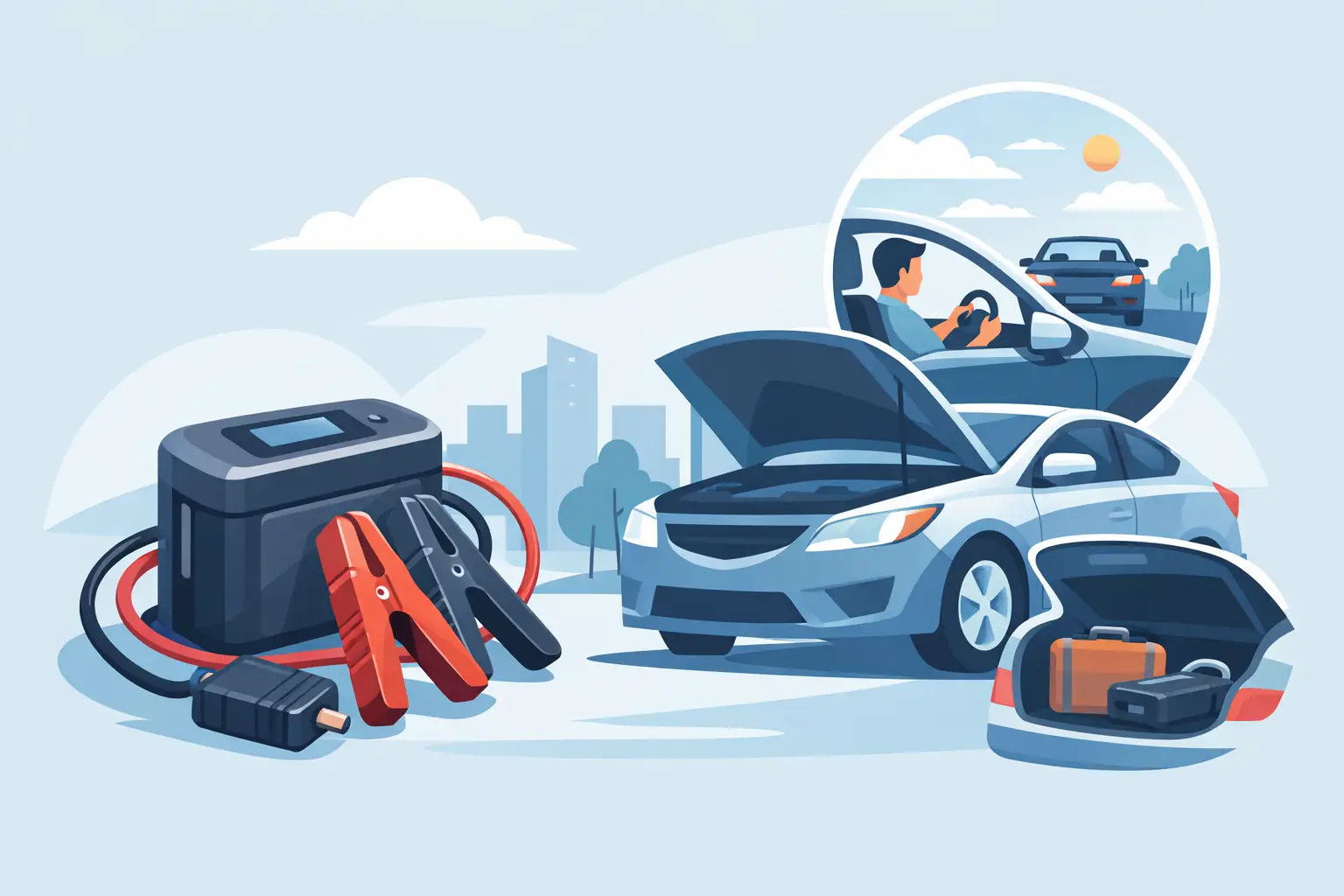
That sinking feeling usually hits when you are already late – you turn the key, hear a weak click, and realize your battery is done for the moment. A good portable jump starter can turn that problem into a two-minute fix, which is why this portable jump starter review focuses on what actually matters for everyday drivers: reliable starts, simple use, compact storage, and solid value.
For most shoppers, the best model is not the one with the biggest numbers on the box. It is the one that fits your vehicle, stores easily in your trunk, and gives you enough confidence to handle a dead battery without waiting for roadside help. That is where a smart review matters, because jump starters can look similar online while performing very differently in real use.
Portable jump starter review – what to look for first
The first thing to check is vehicle compatibility. A compact jump starter that works well for a small sedan may struggle with a larger SUV, truck, or older engine in cold weather. If you drive a four-cylinder commuter car, you can usually shop smaller. If you own a V6, V8, diesel, or anything that regularly deals with winter mornings, it makes sense to give yourself more starting power and more margin.
Peak amps get most of the attention, but they are only part of the picture. Some brands advertise a very high peak number that looks impressive yet says little about how consistently the unit performs. For many buyers, build quality, battery health retention, clamp design, and clear safety protection matter just as much. A jump starter that is easy to connect correctly is often more useful than one that wins on marketing specs alone.
Battery type also affects convenience. Most portable jump starters now use lithium batteries, which helps keep size and weight down. That is good news if you want something that fits under a seat or in a side trunk pocket. The trade-off is that some lithium units need a bit more attention when it comes to storage temperature and periodic recharging. If you plan to leave one in a vehicle year-round, especially in very hot or very cold climates, that is worth considering before you buy.
How portable jump starters perform in real life
In real-world use, the biggest difference usually comes down to consistency. A strong unit should start a weak battery quickly, without forcing you through confusing steps or repeated attempts. If the controls are unclear or the clamps feel flimsy, even a technically powerful unit can become frustrating when you need it most.
Clamp quality is one of the easiest ways to spot a better product. Heavier, better-shaped clamps tend to grip battery terminals more securely, and good cable placement gives you enough reach without creating a tangled mess. That may sound minor on a product page, but it matters when you are standing in a parking lot before work.
Display and indicators matter too. Simple battery level lights can be enough, but a cleaner display often makes charging and readiness easier to understand. If a unit has extra features like a flashlight, USB charging, or an air compressor, those can add value, but only if the jump-starting function remains the priority. Extras are helpful. They should not be the main reason to choose one.
Choosing the right size and power
A lot of shoppers assume bigger is automatically better. Sometimes it is, but not always. If you drive a compact or midsize gas vehicle and want a starter mostly for emergencies, a smaller unit may be the better buy. It is easier to store, easier to handle, and often more affordable.
A larger unit makes more sense if you have multiple vehicles at home, drive a bigger engine, or want more backup capability for trips. More capacity can also be useful if you like the idea of charging a phone or tablet during travel. Still, there is a balance. A bulky jump starter that gets left in the garage is less useful than a compact one that stays in your car and is ready when needed.
Cold weather is one area where sizing up can pay off. Batteries already struggle in low temperatures, and engines can need more effort to turn over. If winter driving is part of your routine, buying with some extra capacity is usually a practical move rather than overkill.
Safety features that are worth paying for
A portable jump starter should feel approachable, even if you are not especially comfortable around car batteries. Reverse polarity protection, spark-proof connections, overcharge protection, and short-circuit protection are not just nice additions. They help reduce mistakes and make the product easier to use with confidence.
That does not mean every model offers the same level of safety support. Some products make those protections obvious with clear warning lights or simple prompts. Others bury the instructions in tiny manuals and assume a lot from the user. For mainstream shoppers, the better choice is usually the unit that makes correct use feel simple right away.
Durability matters as well. A jump starter spends most of its life being stored, moved, and occasionally forgotten. A sturdy outer shell and a case or organized storage setup can help protect the unit and keep accessories together. That is one of those details that feels easy to skip until you need the product and realize a cable is missing.
Portable jump starter review – are extra features worth it?
Some models are basic by design, while others try to be an all-in-one roadside tool. USB charging ports are often useful, especially for travel. A built-in flashlight can help during nighttime battery issues. Air compressor combinations are more of a mixed bag.
If you want one device to cover several emergency needs, a combo model can be appealing. It may save space and reduce the number of tools in your trunk. The downside is that combo products sometimes compromise on size, charging time, or jump-start power. If your main goal is starting a dead battery fast, a dedicated jump starter often delivers the better experience.
There is also the question of frequency. If you rarely drive long distances and mainly want peace of mind for commuting, you may not need many extras. If you road-trip often or keep emergency gear in your vehicle, those additional functions can feel more worthwhile.
What offers the best value
Value is not just the lowest price. The best-value portable jump starter is the one that matches your vehicle and your routine without making you pay for features you will never use. A budget-friendly model can be a smart choice for a smaller car and occasional use. Paying more tends to make sense when you need higher capacity, better clamps, more durable construction, or multi-vehicle flexibility.
This is where shopping with a broad online retailer can help. It is easier to compare different sizes, feature sets, and price points in one place instead of bouncing between specialty shops. For buyers who want a practical solution without wasting time, that convenience matters just as much as the technical specs.
When comparing products, pay attention to what is included in the box. A carrying case, charging cable, wall charger, or accessory bundle can improve the overall deal. At the same time, do not let a long feature list distract from the basics. If a portable jump starter cannot deliver dependable starting power, the rest does not matter much.
Who should buy one now
If your battery is older, your car sits for long periods, or you regularly park far from help, owning a portable jump starter is an easy decision. The same goes for households with teen drivers, commuters, road trippers, or anyone who wants less dependence on roadside assistance.
It is also a smart addition for drivers who already invest in practical car accessories. Just like floor mats protect your interior and seat covers help preserve daily wear, a jump starter is one of those products that adds convenience before a small problem becomes a bigger one. It is not flashy, but it earns its place quickly the first time you need it.
For shoppers who want a straightforward buying experience, Vespena makes it easier to compare automotive accessories that fit real-world needs and budgets. That kind of product range is useful when you want practical options without overcomplicating the decision.
A good portable jump starter should make you feel prepared, not overwhelmed. Pick one with enough power for your vehicle, safety features you can trust, and a size you will actually keep in the car. The right choice is usually the one that turns a bad morning into a short delay and lets you get back on the road without a second thought.













Leave a comment