


Double-Layer Car Tent: Fit & Setup for Ford/Toyota/Honda
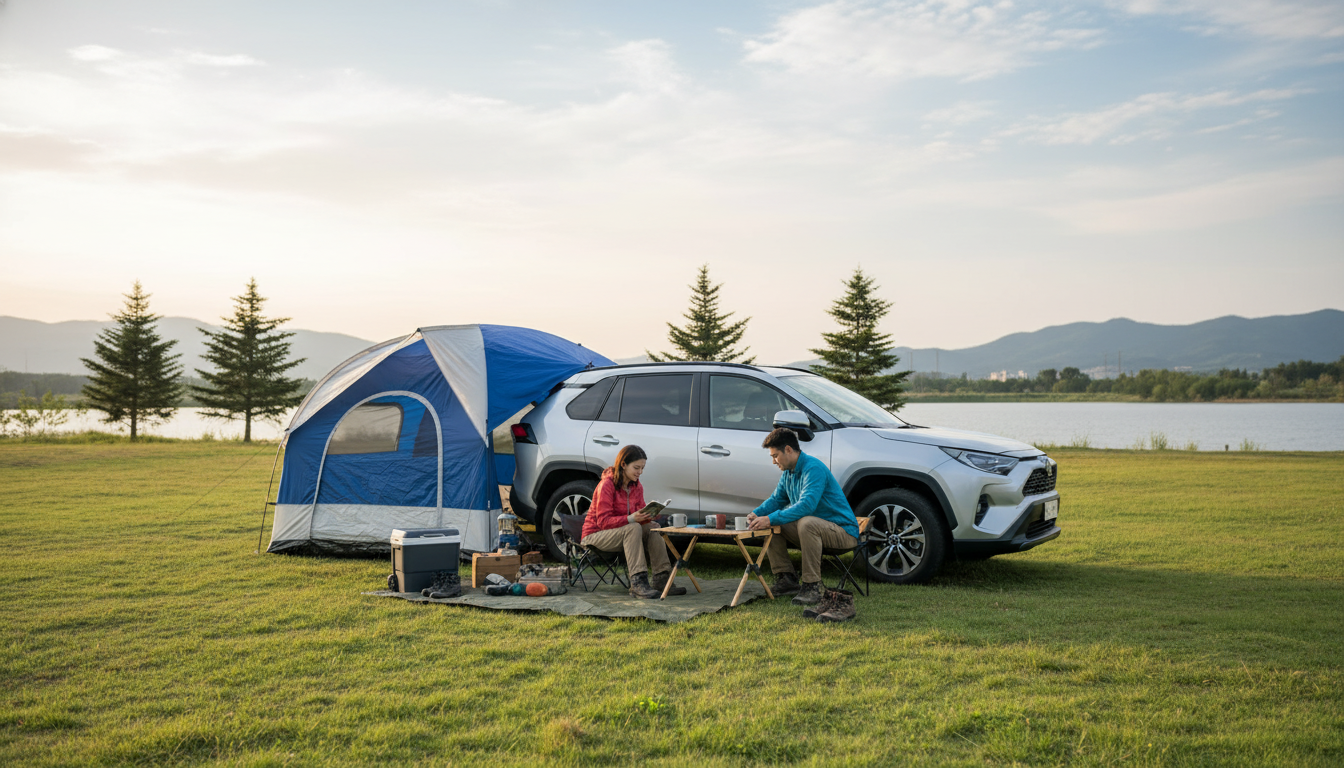
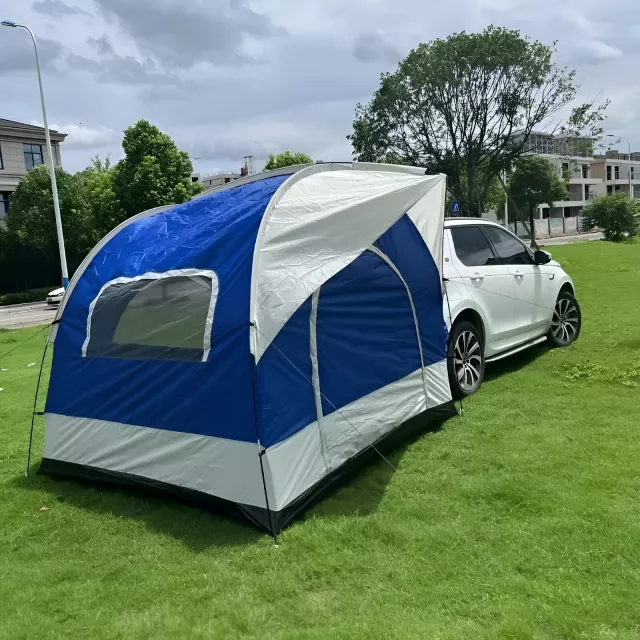
Portable Double-Layer Car Tent for Camping – Fits Ford, Toyota, and Honda
A double-layer car tent turns a parked vehicle into a quick, weather-ready basecamp, adding covered space for sleeping, gear storage, or a shaded hangout. The layered build is especially helpful when conditions swing from sunny afternoons to damp nights, because it can balance protection with airflow. Below is a practical breakdown of what double-layer construction does, how fitment typically works across popular Ford, Toyota, and Honda vehicles, and what to verify before heading out.
What a Double-Layer Car Tent Adds to a Campsite
Double-layer designs typically use an outer shell (often paired with a rainfly) to take the brunt of sun, light rain, and wind, while the inner layer supports comfort and breathability. The result is a more forgiving setup when the forecast changes after you’ve already parked.
- Extra buffer from the elements: The outer layer acts as a shield, while the inner layer can help maintain airflow and reduce that “clammy wall” feeling common in single-wall shelters.
- More usable space at the vehicle: The covered area at the back or side is great for changing clothes, sorting coolers, or keeping shoes and muddy gear outside the sleeping zone.
- Better privacy in busy areas: Layered panels and a properly tensioned rainfly can make roadside stops and crowded campgrounds feel less exposed.
- Potential condensation reduction: Layering can help moisture move through rather than collecting on one interior surface (results still depend on humidity, temperature swings, and ventilation habits).
Single-Layer vs Double-Layer Setup (Quick Comparison)
| Feature | Single-layer car tent | Double-layer car tent |
|---|---|---|
| Weather protection | Basic coverage; relies on one surface | Added shielding with an outer layer and interior comfort layer |
| Ventilation options | Often limited | Typically better airflow management with layered design |
| Condensation control | Condensation can be more noticeable | Layering can help reduce drips when vents are used |
| Privacy | Varies by fabric and panels | Usually improved with layered panels and fly coverage |
| Setup complexity | Simpler | Slightly more steps, usually still quick once practiced |
Fitment Basics for Ford, Toyota, and Honda Vehicles
Compatibility usually depends less on the badge on the grille and more on the shape of the rear opening and how the tent anchors. SUVs, crossovers, and hatchbacks are commonly the easiest match because their tailgate geometry provides a large, accessible attachment zone.
- Measure the rear opening: Check hatch width and height where the tent sleeve or straps sit. Small differences at corners can affect how well the fabric seals and how taut it can get.
- Look for interference points: Roof racks, rear spoilers, and bulky trim can change strap routing or prevent a clean wrap around the hatch area.
- Protect seals and weatherstripping: Door and hatch seals should close without pinching fabric. If the design routes fabric through a hatch gap, ensure it doesn’t create constant pressure that could fatigue weatherstripping over time.
- Don’t block airflow around the tailpipe: If the tent anchors near the back, keep the exhaust area clear and never idle the vehicle in an enclosed or tightly sealed setup.
Key Features to Look For in a Portable Double-Layer Car Tent
When shopping, the most important details are the ones that keep the shelter stable and dry in real-world use—corners in wind, door zippers in rain, and the low spots where water wants to pool.
Setup Tips for Faster, Drier Nights
For general storm awareness and timing, check local alerts and guidance from the NOAA National Weather Service — Weather Safety before heading out.
Care, Storage, and Trip Planning Essentials
Good campsite habits matter, too—review the Leave No Trace Center for Outdoor Ethics — Seven Principles for minimizing impact around high-traffic pullouts and campgrounds.
A Practical Option to Consider
If quick setup and versatile covered space are the goal, Portable Double-Layer Car Tent for Camping – Fits Ford, Toyota, and Honda is designed to connect to a compatible vehicle and create a sheltered extension with double-layer construction aimed at comfort and weather buffering. It’s a strong match for weekend camping, overlanding-style stopovers, and road trips where pack-down speed matters.
- 13-Color RGB LED Night Light for Kids for low-glare ambient light at night without relying on harsh overhead lanterns.
- 3-in-1 Bottle Gap Cleaner Brush to keep bottles and hydration gear cleaner on longer trips.
FAQ
Will a car tent fit any Ford, Toyota, or Honda?
Fit depends more on vehicle type (SUV, crossover, hatchback) and the shape of the rear opening than on the brand. Measure hatch width and height, and check whether spoilers or roof racks interfere with strap routing and fabric sealing.
Does double-layer construction prevent condensation?
It can help manage condensation when vents are used, but humidity, temperature swings, and airflow are still the deciding factors. Keep vents cracked when possible and avoid bringing wet gear into the sleeping area to reduce interior moisture.
Is it safe to run the vehicle while the tent is attached?
It’s not recommended to idle the vehicle or sleep with the engine running when a tent is attached, due to carbon monoxide risk and poor airflow. Follow safety guidance like the CDC — Carbon Monoxide (CO) Poisoning Prevention and keep the exhaust area clear at all times.














Leave a comment