


3D Metal V8 Badge Sticker: Clean Engine Bay Detail
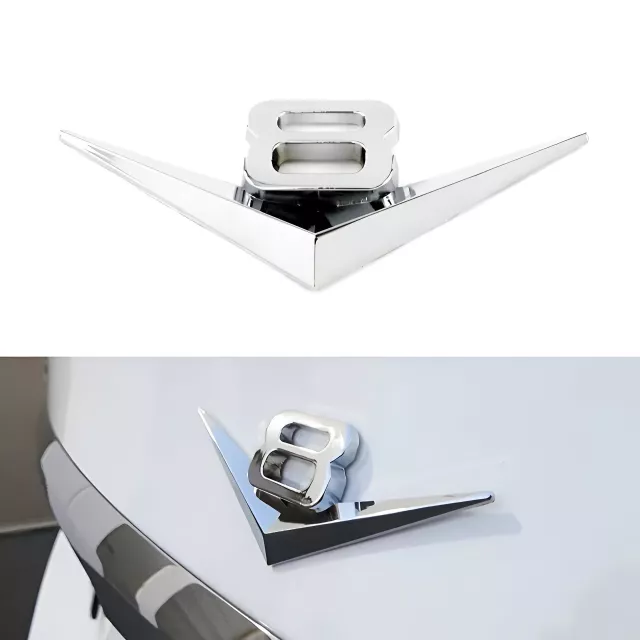
3D Metal V8 Engine Badge Emblem Sticker for Ford, BMW, Toyota
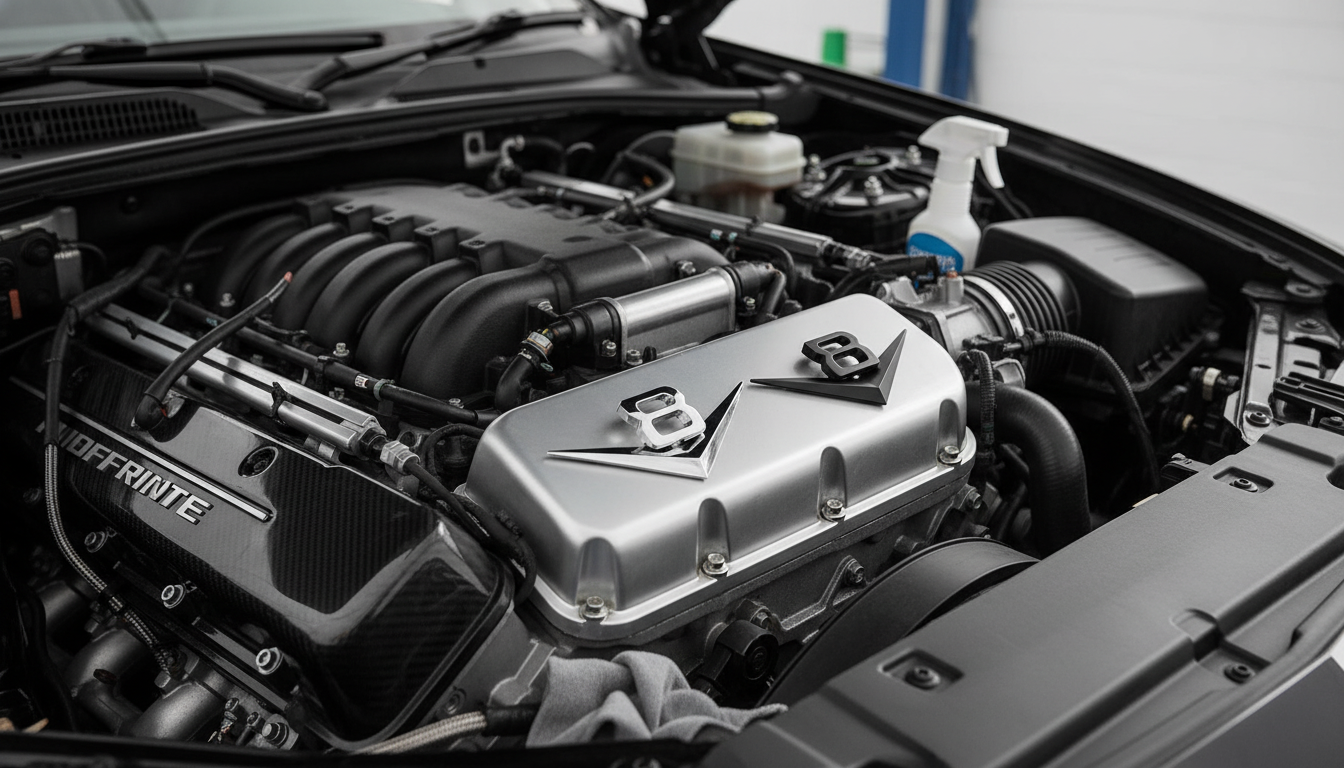
Add a clean, performance-inspired detail to an engine bay, grille area, or interior trim with a compact 3D metal V8-style badge. With a simple peel-and-stick install, it’s an easy upgrade for daily drivers, show builds, and restorations where a subtle metallic accent makes the difference. For more guidance, see News | Specialty Equipment Market Association (SEMA).
What This Badge Adds to a Build
Small visual touches can make a finished build look intentional, especially in areas people notice up close—like an engine cover, fuse box lid, or the trim that frames a grille. A raised, metallic emblem brings a “factory-plus” vibe without committing to drilling holes or swapping parts.
- 3D raised metal look that stands out more than flat decals
- Quick cosmetic upgrade for engine covers, radiator shrouds, airbox lids, or interior trim panels
- Pairs well with other small detail mods like caps, covers, and dress-up hardware
- Works as a replacement-style accent when an original badge is missing or the area looks unfinished
Where It Looks Best
The best placement is a spot that’s clean, smooth, and unlikely to be rubbed, pressure-washed at close range, or constantly heat-soaked. Think “visible, protected, and easy to prep.”
- Engine bay: engine cover, fuse box lid, strut tower cover, radiator support plastics (avoid high-heat metal surfaces)
- Exterior accents: grille surround, tailgate trim, fender area (choose a flat or gently curved spot for best adhesion)
- Interior accents: dashboard trim, center console, door panel inserts, seat back plastic trim (clean, low-wear areas)
- Toolbox/garage: on tool cabinets or detailing carts as a small motorsport-style touch
Fit and Compatibility Notes
Although the styling is commonly associated with popular brands, real-world compatibility is mostly about surface shape and preparation. A perfectly prepped panel on any vehicle tends to hold better than a poorly cleaned “correct” location.
- Brand names (Ford, BMW, Toyota) indicate common use-cases; placement depends on surface size/shape rather than model year
- Best results come from flat, smooth, non-textured paint or hard plastics
- Avoid applying over rubberized coatings, rough textures, or freshly waxed surfaces without proper prep
- Check clearance: do not place where moving parts, belts, or hood insulation may rub
Materials and Finish Expectations
A metal-faced emblem tends to catch light in a way vinyl can’t, which is especially helpful in darker engine bays or shaded grille areas. The raised profile also makes it easier to read at a glance.
- Metal badge face provides a crisp edge and reflective highlight compared with vinyl stickers
- 3D profile helps the emblem remain readable at a glance, even in darker engine bays
- For long-lasting appearance, keep away from abrasive cleaning brushes and harsh solvents
- If applying in an engine bay, choose an area that stays relatively cool and dry to reduce stress on the adhesive
For background on common automotive-grade adhesive approaches, 3M’s overview of automotive acrylic foam tape is a useful reference: 3M Automotive Acrylic Foam Tape (General Information). For prep best practices, see professional surface-prep guidance here: DuPont Refinish: Surface Preparation Guidance.
Installation: Clean, Align, Press
Most adhesion problems trace back to rushed prep—dust, dressing residue, or wax can all reduce bond strength. Take a few extra minutes and the emblem typically looks cleaner and stays put longer.
- Dry-fit first: hold the badge in place and confirm alignment from multiple angles
- Surface prep: wash, dry, then wipe with 70%+ isopropyl alcohol on a lint-free cloth
- Apply at mild temperatures (ideally around room temperature); cold panels reduce adhesive tack
- Peel backing, place carefully, then press firmly across the full surface for 30–60 seconds
- Cure time: avoid washing or heavy moisture exposure for about 24 hours so adhesive can set
Quick install checklist
| Step | What to do | Why it matters |
|---|---|---|
| 1. Test placement | Position the emblem without removing backing | Prevents crooked placement |
| 2. Degrease | Wipe with isopropyl alcohol and let it fully dry | Improves bond strength |
| 3. Apply | Peel, place once, and press firmly | Avoids trapped air and weak edges |
| 4. Set | Keep dry and avoid washing for ~24 hours | Allows adhesive to fully cure |
Removal and Repositioning Tips
If you ever need to remove the emblem, aim to lift it without prying against the paint or plastic. Heat and patience usually beat force.
- If removal is needed, gently warm the badge (hair dryer on low) to soften adhesive
- Use dental floss/fishing line to “saw” behind the emblem rather than prying with metal tools
- Remove residue with a dedicated adhesive remover safe for automotive paint/plastics; test on a hidden spot first
- Repositioning after full contact is difficult; take extra time to align before pressing down
Care and Longevity
Product Options (In Stock)
- 3D Metal V8 Engine Badge Emblem Sticker for Ford, BMW, Toyota — lightweight visual upgrade with a simple peel-and-stick install (currently in stock).
- 3-in-1 Bottle Gap Cleaner Brush — handy for cleaning tight seams and trim edges before installation so the adhesive bonds to a truly clean surface (currently in stock).
FAQ
Will this badge stick to textured plastic or matte trim?
It will hold best on smooth, clean surfaces. Heavy texture or rubberized/matte coatings reduce contact area, so choosing a flatter, smoother spot usually improves long-term adhesion.
Is it safe to place this in the engine bay?
Yes, when placed on cooler plastic covers or trim panels and kept away from high-heat metal parts and areas exposed to oil or harsh chemicals. Heat and contamination are the most common causes of edge lift.
Can it be removed without damaging paint?
Usually yes—warm it gently and use floss or fishing line to separate it instead of prying. Any leftover adhesive can be removed with a paint-safe adhesive remover after testing a small hidden area.















Leave a comment