


Magnetic Wooden Alphabet Blocks for Early Letter Play
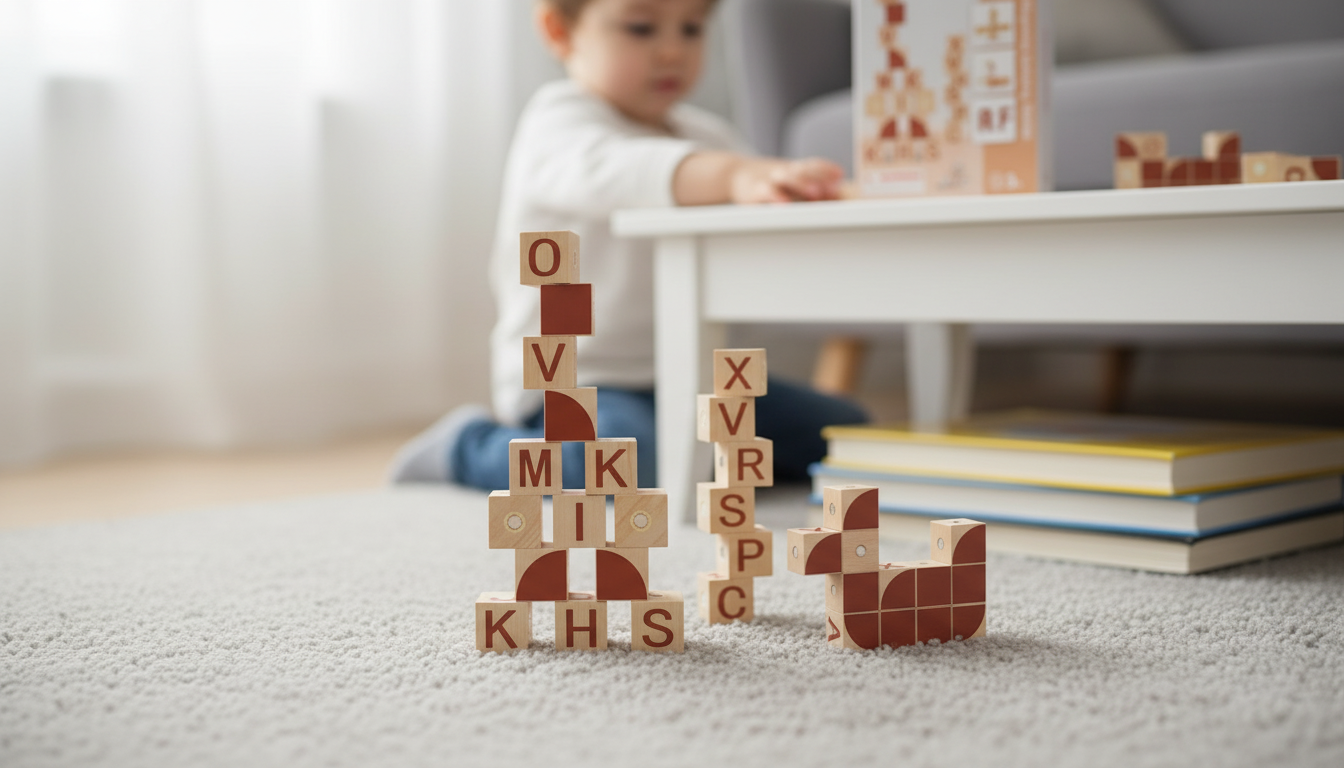
Magnetic Wooden Alphabet Blocks for Hands-On Letter Learning
Magnetic wooden alphabet blocks combine classic block play with the stick-and-stay convenience of magnets, making it easier for kids to build, match, and practice letters on trays, boards, or many magnetic surfaces. The result is a tactile, screen-free activity that supports early literacy while also building fine-motor skills and attention through open-ended play.
What Makes Magnetic Wooden Alphabet Blocks Different
- Hands-on letter learning: Kids can trace the printed shapes with a fingertip, flip blocks to compare forms, sort letters by visual features, and notice how straight lines and curves create different symbols.
- Magnets add stability: On a magnetic whiteboard, cookie sheet, or classroom magnetic board, blocks can hold their place for spelling attempts, pattern building, or display—helpful for kids who get frustrated when pieces slide apart.
- Multi-skill play: Beyond letter recognition, children practice early phonics exposure, fine-motor control (grip, rotation, placement), spatial reasoning (orientation and sequencing), and working memory.
- Open-ended activity: Sets work for independent play, caregiver-led games, and classroom literacy centers—making it easy to scale from simple matching to early spelling.
Play Ideas That Build Early Literacy
- Letter hunt: Place a few blocks on a magnetic surface and ask for a target letter. Add new letters as confidence grows, and occasionally mix in “tricky look-alikes” (like M/W).
- Name building: Start with the child’s name, then move to family names, pets, and favorite characters. Seeing familiar words helps kids connect letters to real meaning.
- Sound baskets: Group letters by sound families (for example, letters that often start familiar words) and practice matching objects or pictures to the starting letter.
- Uppercase–lowercase pairing: If the set includes both forms, match pairs and talk about how shapes relate (like A/a) and how some pairs look very different (like G/g).
- Simple word ladders: Change one letter at a time (cat → hat → hot) to show how letter swaps change meaning—an easy way to introduce blending and segmenting without worksheets.
- Pattern play: Alternate vowels and consonants for visual patterns, then check which combinations form real words. This gently introduces the idea that letters follow “rules” in printed language.
Safety and Quality Checks to Look For
Magnets are useful for learning, but they also raise the stakes for choosing a well-made set. Prioritize construction, age-appropriate sizing, and clear safety guidance.
- Magnet security: Magnets should be fully enclosed so they can’t pop out with chewing, dropping, or twisting.
- Age-appropriate sizing: Larger blocks reduce choking risk and are easier for small hands to grip and control.
- Finish and paint: Smooth surfaces, rounded edges, and durable coatings help prevent splinters and chipping over time.
- Material transparency: Look for clear guidance on wood type, coatings, and toy-safety testing claims.
- Supervised play is essential: Magnets can be dangerous if swallowed; keep sets away from children who still mouth toys and avoid mixed-age play without oversight.
For additional magnet safety guidance, consult the American Academy of Pediatrics magnet safety resource and the U.S. Consumer Product Safety Commission magnet safety information. For general information on reducing exposure risks from consumer products, see the CDC’s guidance on lead in consumer products.
Quick Checklist for Comparing Sets
| What to check | Why it matters | What to look for |
|---|---|---|
| Magnet enclosure | Loose magnets can be a serious ingestion hazard | Magnets fully sealed inside the block; no exposed edges or gaps |
| Block size | Smaller pieces are harder to grip and can pose choking risks | Chunky blocks appropriate for toddlers/preschoolers |
| Edges and sanding | Rough edges can irritate skin and snag fabric | Rounded corners; smooth, splinter-free finish |
| Paint/finish durability | Flaking paint can create mess and potential exposure concerns | Even coating; minimal odor; finish that resists scratches |
| Set design | Better design increases learning value and replayability | Clear lettering, high contrast, and consistent font |
| Storage | Reduces missing pieces and makes cleanup routine | Box, pouch, or tray with compartments |
Everyday Ways to Use Them at Home or in a Classroom
Magnetic Wooden Alphabet Blocks: Product Snapshot
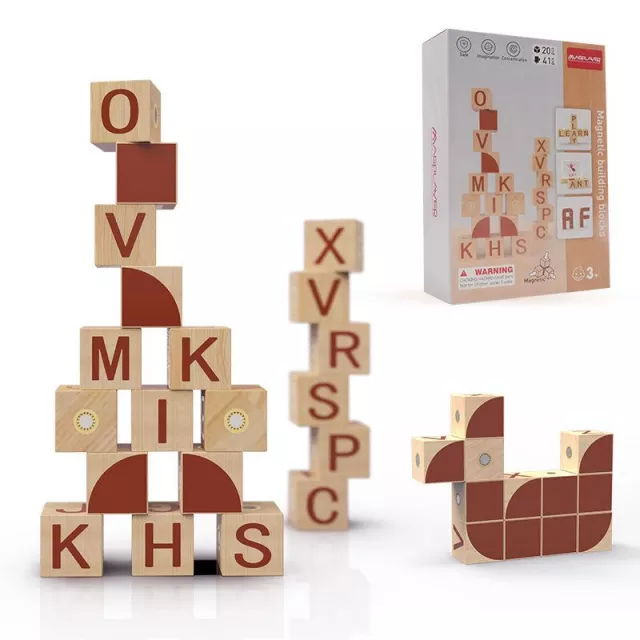
If you want a set designed specifically for hands-on letter play that stays put, Magnetic Wooden Alphabet Blocks are built for building, matching, and early spelling practice on a magnetic surface. They also make a practical pick for gifting, homeschooling supplies, or adding a durable literacy-center activity.
At-a-Glance Details
| Item | Details |
|---|---|
| Product | Magnetic Wooden Alphabet Blocks |
| Price | 53.97 USD |
| Availability | In stock |
| Category | Kids & Babies |
| Product page | https://vespena.com/magnetic-wooden-alphabet-blocks/ |
Pairing Ideas: Build a Simple, Cozy Learning Setup
Care, Storage, and Longevity Tips
Compare related options such as High-Quality Retractable Reflective Dog Leash to match features, dimensions, and use case before choosing.
FAQ
Are magnetic alphabet blocks safe for toddlers?
They can be, as long as the set is age-appropriate, the magnets are fully enclosed, and play is supervised. Because swallowed magnets can cause serious internal injury, keep magnetic sets away from children who still mouth toys and avoid unsupervised mixed-age play.
What age is best for using alphabet blocks for learning letters?
Toddlers often benefit from simple exposure (naming and matching), preschoolers typically use them for recognition and sorting, and kindergarten-age kids can start building short words and doing letter-change games. The best age depends on the child’s readiness and whether activities stay playful and frustration-free.
How can magnets help with learning compared with regular wooden blocks?
Magnets add stability on compatible surfaces, so kids can build words and sequences without pieces sliding apart. That “stay put” feature supports more structured activities like matching, ordering letters left-to-right, and keeping completed words on display for review.













Leave a comment