


Interactive Slow Feeder Puzzle Bowl: Slow Eating + IQ Play
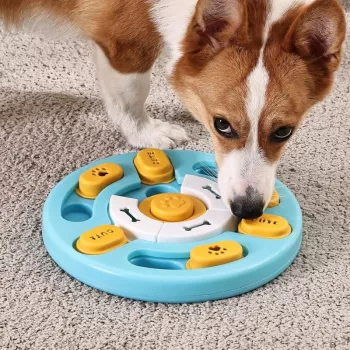
Interactive Slow Feeder Puzzle Toy for Dogs – IQ-Boosting Pet Feeding Bowl
Fast eating can turn mealtimes into mess, discomfort, and boredom. An interactive slow feeder puzzle bowl turns daily feeding into a mini challenge that encourages sniffing, pawing, and problem-solving while pacing bites more naturally. Instead of finishing a meal in seconds, many dogs settle into a steadier rhythm—using their nose and tongue to work pieces out of channels—so feeding feels more like an activity and less like a race.
Why a puzzle slow feeder changes mealtime
A puzzle-style slow feeder isn’t just “a bowl with bumps.” It changes the way food is accessed, which changes the behavior around eating.
- Slows down gulping by making food harder to access, encouraging smaller bites.
- Adds mental stimulation during a routine activity, reducing boredom-related behaviors.
- Supports calmer eating habits by shifting focus from speed to solving.
- Works with dry kibble and many small treats to create quick enrichment sessions.
For enrichment ideas that pair well with puzzle feeding, resources from the American Kennel Club (AKC) are a helpful starting point. For general pet care guidance and behavior basics, the American Veterinary Medical Association (AVMA) also provides practical owner resources.
How the interactive feeding bowl works
Most interactive slow feeders use molded channels, tracks, or pockets that spread the meal out and make each bite a small “find-and-extract” task.
- Food is placed into compartments or tracks that require nudging and exploration.
- The dog learns cause-and-effect as pieces release gradually during movement.
- Difficulty can be adjusted by changing portion size, food shape, or how tightly compartments are filled.
- Short sessions (5–15 minutes) often provide a good balance of challenge and success.
Small setup changes can make a big difference. Larger kibble (or mixing in a few larger treats) is often easier to dislodge. Tiny, perfectly round pieces can roll into corners and unintentionally make the puzzle harder than intended.
Key benefits at a glance
- Enrichment during meals without adding extra time-consuming training setup.
- More controlled eating pace for dogs that inhale food.
- Helps extend the perceived value of a meal, especially for food-motivated dogs.
- Useful for rainy days, recovery days, or whenever outdoor activity is limited.
| Goal | What the bowl encourages | Easy setup tip |
|---|---|---|
| Slower eating | Nose work and smaller bites | Use larger kibble pieces or mix kibble with a few larger treats |
| Mental exercise | Problem-solving and persistence | Start with a shallow fill so success comes quickly |
| Less boredom | Independent engagement | Offer it during peak restlessness times (after walks, evenings) |
| Portion control | Measured feeding instead of free-pouring | Pre-measure the meal, then distribute across channels evenly |
Who it’s best for (and when to skip it)
Interactive feeders shine when they match the dog’s style and comfort level.
- Great for: fast eaters, curious dogs, dogs that need extra indoor stimulation, and treat-motivated learners.
- May not be ideal for: dogs that chew bowls aggressively (supervise and choose durable options), dogs with severe dental pain, or dogs that become frustrated easily without gradual introduction.
- For flat-faced breeds or seniors: choose gentler patterns and avoid overly deep, narrow channels.
If a dog repeatedly paws hard, vocalizes, or walks away, that’s usually a sign the puzzle is too difficult for that moment—not that puzzle feeding “doesn’t work.” Making the next session easier often restores confidence quickly.
Getting started: simple training plan for the first week
A gradual intro builds the habit of working calmly instead of frantic digging.
- Day 1–2: Scatter a small portion loosely so food releases quickly; praise calm engagement.
- Day 3–4: Increase the fill level or add a few “harder to reach” pieces near edges.
- Day 5–7: Use the full meal (if the dog stays relaxed) and rotate between regular bowl and puzzle bowl as needed.
- If frustration shows (whining, paw-slamming, quitting): make it easier immediately and end on a win.
One practical approach is to time the session. If the dog is still working happily at 10 minutes, great. If the dog is getting stuck and escalating, pour a small amount out onto a mat or into an easier section so the session ends with success.
Cleaning, safety, and durability tips
Channels and corners can trap residue, especially if canned food is used. A narrow detail brush makes it easier to reach tight spots without scraping the bowl with hard tools. For a dedicated cleaning helper, the 3-in-1 Bottle Gap Cleaner Brush can be useful for grooves and edges where crumbs and oils tend to collect.
Common mistakes that reduce results
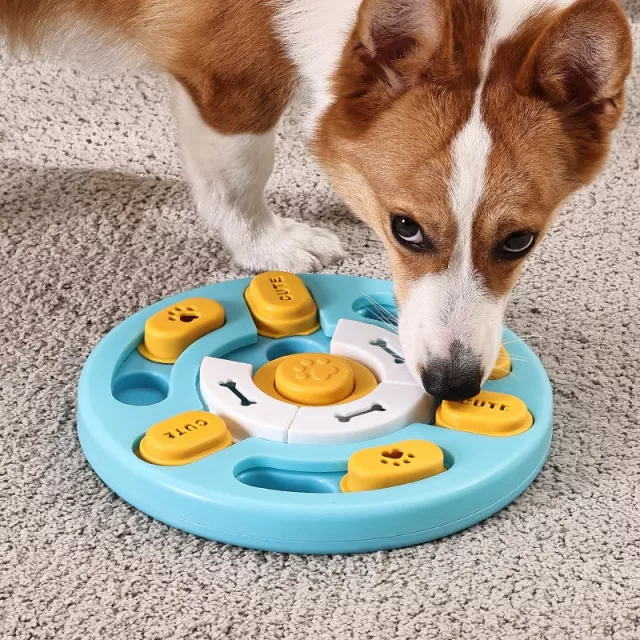
Product spotlight: Interactive Slow Feeder Puzzle Toy for Dogs – IQ-Boosting Pet Feeding Bowl
If the goal is to turn daily meals into a quick, brain-engaging activity, the Interactive Slow Feeder Puzzle Toy for Dogs – IQ-Boosting Pet Feeding Bowl is designed to make eating more interactive while encouraging a slower pace.
FAQ
Can a slow feeder puzzle bowl help with gulping and occasional vomiting?
Slowing down can reduce gulping and the amount of air some dogs swallow, which may help with occasional spit-up for certain dogs. Try smaller, measured portions and consider splitting meals; if vomiting is frequent or ongoing, consult a veterinarian to rule out medical causes.
How long should a meal take with a puzzle feeder?
Many dogs finish in about 5–15 minutes depending on the bowl design, food size, and experience level. Aim for a steady pace without frustration—if the dog is struggling or quitting, make the setup easier.
Can wet food be used in an interactive slow feeder?
Yes, as long as the bowl can be cleaned thoroughly. Spread wet food in a thin layer (or mix with kibble), rinse promptly after the meal, and let it fully air-dry to reduce residue and odors.












Leave a comment