


Plush Squeaky Dog Chew Toys: Safer Picks & Care Tips
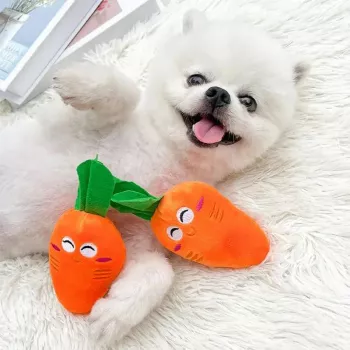
Plush Squeaky Dog Chew Toys for Everyday Play
Soft, squeaky toys can turn short play breaks into meaningful enrichment—especially for dogs that love to carry, shake, and chew. The right plush squeaky chew toy adds variety to indoor routines, supports calm engagement, and offers an easy way to redirect attention from household items. Below are practical tips for choosing a good fit, spotting safer construction details, and building simple habits that help plush toys last longer.
Why plush squeaky chew toys keep dogs engaged
Many dogs stay interested in plush squeaky toys because they combine a comforting texture with instant feedback. The squeaker can “pay off” bite-and-release play, which helps maintain attention during solo entertainment or interactive games.
Plush also encourages carrying, cuddling, and gentle mouthing—handy for calmer indoor play when you want engagement without the intensity of hard chews. A dedicated chew-and-squeak toy can also help redirect your dog away from shoes, pillows, and furniture when you notice that “looking for something to do” behavior ramping up. Even short play bursts (about 5–10 minutes) can be a realistic boredom-buster on busy days.
For general safety reminders, it’s worth reviewing guidance from the AVMA toy safety tips and the AKC’s dog toy selection guidance.
Picking the right toy by size and play style
Start with size. Choose a toy that’s large enough to reduce accidental swallowing risk, yet small enough for comfortable carrying. When in doubt, size up—especially for dogs that like to chew with their back teeth or gulp pieces when excited.
Next, match the toy to how your dog actually plays:
- Gentle chewers: Plush toys typically last longer and can be rotated to keep novelty high.
- Moderate chewers: Look for reinforced seams and thicker plush. Limit unsupervised sessions until the toy proves durable for your dog.
- Power chewers: Plush is often best as a supervised reward toy (short, structured play), not an all-day chew option.
- Multi-dog homes: Provide separate toys to reduce guarding and tug-related tearing, and to keep play from escalating into rough possession battles.
Toy fit guide for common play behaviors
| Play behavior | What to prioritize | How to use it |
|---|---|---|
| Carries toys around | Lightweight plush body; easy-to-grip shape | Offer as a comfort toy and for gentle indoor fetch |
| Shakes and pounces | Reinforced stitching; thicker fabric | Use in short sessions; inspect seams after play |
| Chews steadily | Dense fill; minimal loose parts | Supervise and swap out once fraying starts |
| Destuffs quickly | Simpler construction; fewer edges to grab | Treat as interactive-only; store between sessions |
What to look for in safer construction
Plush squeaky toys aren’t indestructible, so construction details matter—especially if your dog likes to pick at seams.
- Seams: Double stitching or reinforced edges can reduce early splitting.
- Squeaker placement: A centered squeaker is often harder to extract than one placed near an edge or corner.
- Exterior details: Avoid easy-to-tear ribbons, loosely attached decorations, or long tags for dogs that fixate on small parts.
- Fill: Monitor for loose stuffing; remove the toy if stuffing becomes accessible.
- Labeling: Follow sizing guidance and discard at the first sign of pieces that could be swallowed.
For broader “pet-proofing” reminders and choking hazard awareness, see the ASPCA’s safety guidance.
Ways to make plush squeaky toys last longer
Small handling changes can extend the life of plush toys—sometimes dramatically—without reducing your dog’s fun.
- Rotate toys: Keep 2–4 toys and swap every couple of days so one favorite isn’t absorbing all the wear.
- Use play windows: Bring the toy out for training rewards or quick games, then store it to preserve novelty and limit nonstop chewing.
- Teach “drop” or “trade”: This reduces tugging damage and also supports polite toy manners (especially helpful in multi-dog homes).
- Match the game to the toy: Plush is ideal for gentle fetch, “find-it” games, and calm indoor play rather than intense tug or high-friction dragging.
- Repair only if safe: A small seam tear can be sewn up, but discard the toy if the squeaker or stuffing is reachable.
Supervision, cleaning, and replacement timing
A simple option for soft squeaky play
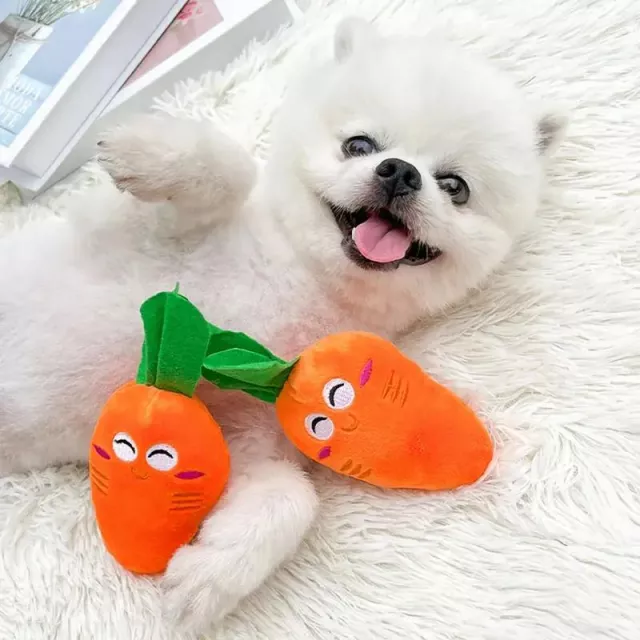
If your dog enjoys squeaky, soft-texture play, Plush Squeaky Dog Chew Toys are a budget-friendly pick for supervised indoor games, gentle fetch, carrying, and short chew sessions. A helpful habit is to introduce the toy during calm moments, then use it as a reward toy during training breaks to build positive attention and reduce frantic “tear-to-find-the-squeaker” behavior.
- 13-Color RGB LED Night Light for Kids for low-light play or quick evening check-ins without turning on harsh overhead lights.
- 3-in-1 Bottle Gap Cleaner Brush to help clean tight seams and creases where lint and debris can collect on plush items.
- Portable Eye Massager as a comfort item for pet parents—especially after long workdays and extra training sessions.
FAQ
Are plush squeaky toys safe for all dogs?
Not for every dog. They tend to be safest for gentle to moderate chewers with supervision, and you should discard any toy with holes, exposed stuffing, or a reachable squeaker to reduce choking or ingestion risks.
How often should plush squeaky toys be replaced?
Replace them when seams split, fabric frays into strings, stuffing becomes accessible, or the squeaker can be reached. The timing varies based on your dog’s chew strength and how often the toy is used.
Why does my dog only want the squeaker?
The sound can be highly rewarding and may trigger prey-like play that focuses on “getting” the noise source. Keep sessions short, rotate toys, and redirect to calmer activities if your dog becomes fixated on extracting the squeaker.














Leave a comment