


Vacuum Stress in Pets: Calm Dogs & Cats Fast
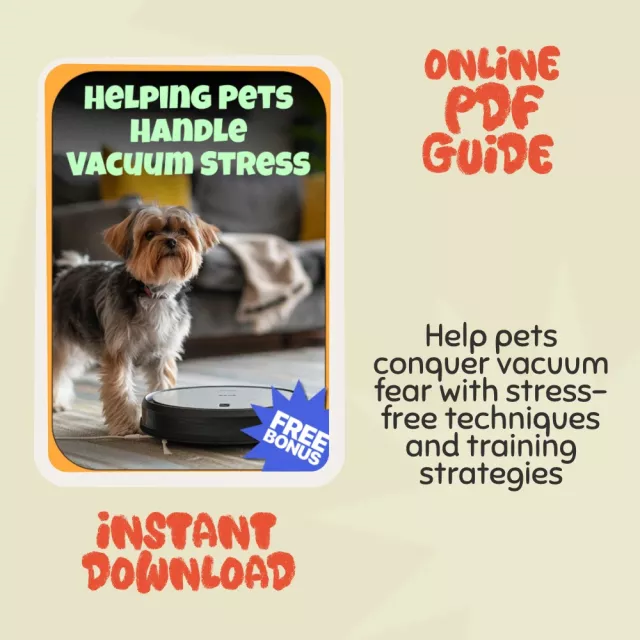
Helping Pets Handle Vacuum Stress: A Complete Guide on What to Do When Pets Are Stressed by a Vacuum
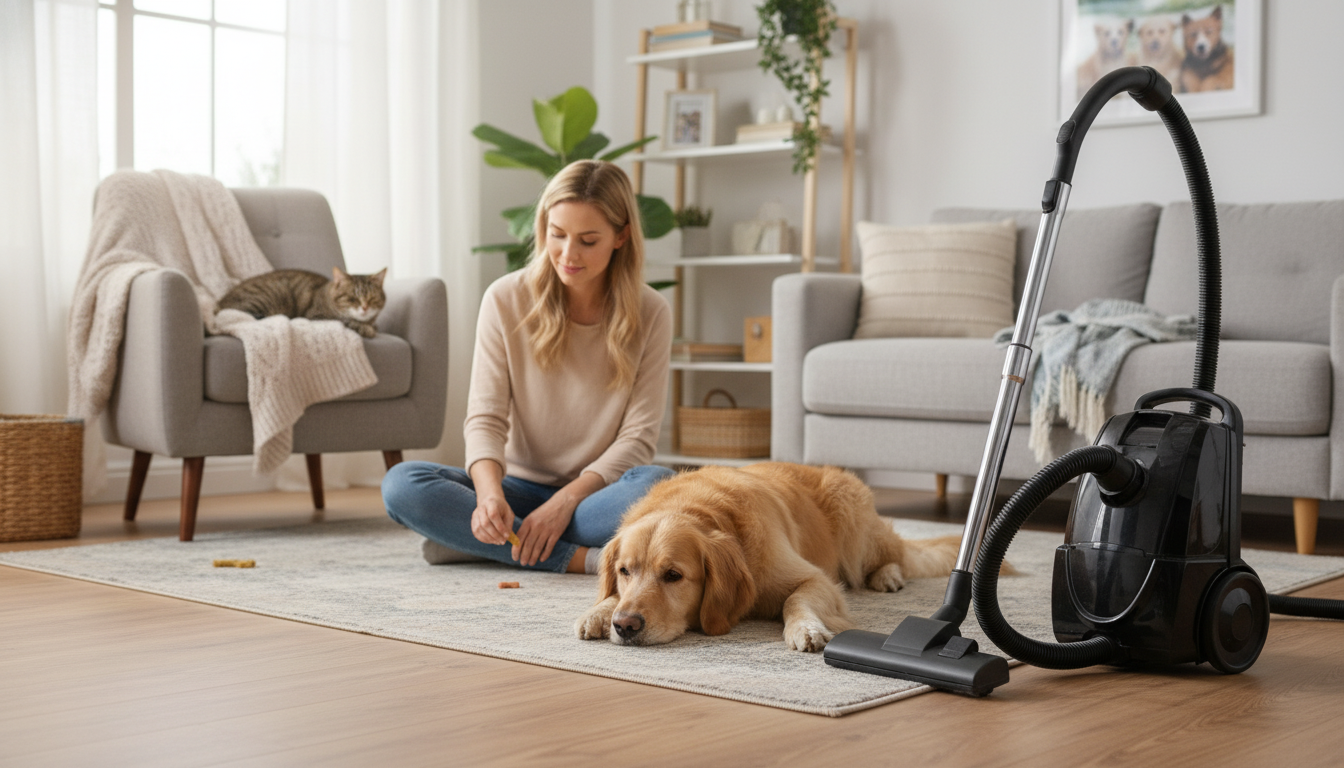
Many pets react to vacuums as if they’re a threat: loud noise, sudden movement, unfamiliar smell, and vibration all at once. The good news is that vacuum stress is often manageable with a mix of safety steps, gentle training, and better cleaning routines. This guide focuses on practical actions to reduce fear, prevent escalation, and make vacuum time calmer for dogs and cats.
How to Tell if a Vacuum Is Stressing Your Pet
Vacuum stress isn’t always dramatic—some pets “look fine” but are quietly overwhelmed. Common stress signals include panting, trembling, a tucked tail, ears pinned back, lip licking, yawning, whale eye (showing the whites of the eyes), pacing, hiding, or trying to escape the room.
Watch for escalation signs that can lead to biting or scratching: growling, lunging at the vacuum, snapping at nearby people, blocking doorways, or intense fixation on the machine. Those behaviors mean safety and distance need to come first.
After-effects can also reveal that the vacuum is a trigger: refusal to enter the cleaned room, clinginess, loss of appetite, or prolonged agitation even after the vacuum is put away.
To spot patterns, note the time of day, vacuum type, room, distance from your pet, and whether the reaction is noise-driven (starts at power-on) or motion-driven (starts when the vacuum approaches). This helps you adjust the plan instead of guessing.
Why Vacuums Feel Threatening (and What That Means for Training)
Vacuums combine multiple “scary” inputs. Noise sensitivity is a big one—many pets hear higher frequencies and may experience the motor as painful or intensely alarming. On top of that, the movement can look predator-like: the vacuum “chases” debris, changes direction abruptly, and seems to loom toward the pet.
Vibration and airflow add another layer. Even if your pet isn’t close, the rumble through floors and the shifting air can feel like something is approaching. Smell and novelty matter too: new filters, dusty odors, or scented carpet powders can raise arousal before the vacuum even turns on.
Finally, genetics and learning play a role. Some dogs have strong herding or chasing instincts; some cats are naturally more cautious; and a single frightening experience (like being bumped) can cement the fear. Training works best when it changes the emotion behind the reaction—calm replaces alarm—rather than simply suppressing behavior.
For humane, reward-based training principles, the American Veterinary Society of Animal Behavior (AVSAB) provides clear guidance.
Immediate Safety Steps Before You Vacuum
If your dog or cat is showing intense fear or phobia-like responses, the ASPCA’s resource on fear and phobias can help you understand why avoidance and gradual progress are so important.
A Calm Step-by-Step Plan: Desensitization and Positive Association
Common Approaches to Vacuum Stress and When to Use Them
| Approach | Best for | How it’s done | Watch-outs |
|---|---|---|---|
| Management (separate rooms) | Pets that panic or may bite/scratch | Place pet in a quiet safe zone with enrichment before starting | Doesn’t teach comfort by itself; still useful during training |
| Desensitization | Noise/motion sensitivity | Slow exposure starting with vacuum off, then small steps | Going too fast can increase fear |
| Counterconditioning | Pets that can still eat/engage at a distance | Pair vacuum sight/sound with high-value food or play | If the pet won’t take treats, the trigger is too intense |
| Professional support | Severe fear, aggression, or no progress | Work with a qualified trainer/behaviorist; consider veterinary guidance | Avoid punishment-based methods |
What to Do While You’re Vacuuming (So It Doesn’t Set Training Back)
Dog-Specific Tips (Chasing, Barking, Herding, Guarding)
The RSPCA’s guide to recognizing stress in dogs can help you spot subtle signals before they escalate.
Cat-Specific Tips (Hiding, Bolting, Litter Box Avoidance)
When to Get Professional Help
Helpful Tools and Home Adjustments
- Pick a calmer routine: vacuum when your pet is naturally tired (after a walk or play) and the house is quiet.
- Reduce triggers: if seeing the vacuum alone causes stress, store it out of sight and reintroduce it only during planned training sessions.
- Alternate cleaning options: for sensitive pets, do more frequent sweeping, microfiber dusting, or spot-cleaning between full sessions.
- Use a structured reference: Helping Pets Handle Vacuum Stress: A Complete Guide on What to Do When Pets Are Stressed by a Vacuum can help you follow a step-by-step plan and track progress.
- Support your own routine: if vacuum days spike household tension, a small self-care tool like the Portable Eye Massager may help you stay relaxed and consistent during training sessions.
- Make the environment steadier: a gentle light for evening routines (so you’re not rushing) like the 13-Color RGB LED Night Light for Kids can support predictable cleanup routines—especially in a pet’s safe room.
FAQ
Should a scared pet be left in the same room while vacuuming to “get used to it”?
No—forced exposure often increases fear and can trigger defensive behavior. Use management (a safe, quiet room) during real cleaning, and build comfort separately through gradual desensitization and positive association.
How long does it take for a pet to stop being afraid of the vacuum?
It varies by species, temperament, and how intense the fear is, but many pets improve over weeks to months with small, consistent steps. Progress looks like easier recovery, taking treats at a closer distance, and fewer stress signals when the vacuum appears.
What if my dog attacks the vacuum cleaner?
Stop the session, create distance, and prevent rehearsal by using barriers and a safe setup before vacuuming. If lunging or biting continues, work with a reward-based trainer and consult your veterinarian for a behavior plan tailored to safety and severity.















Leave a comment