


Nordic Slate Round Side Table: Modern Styling & Care
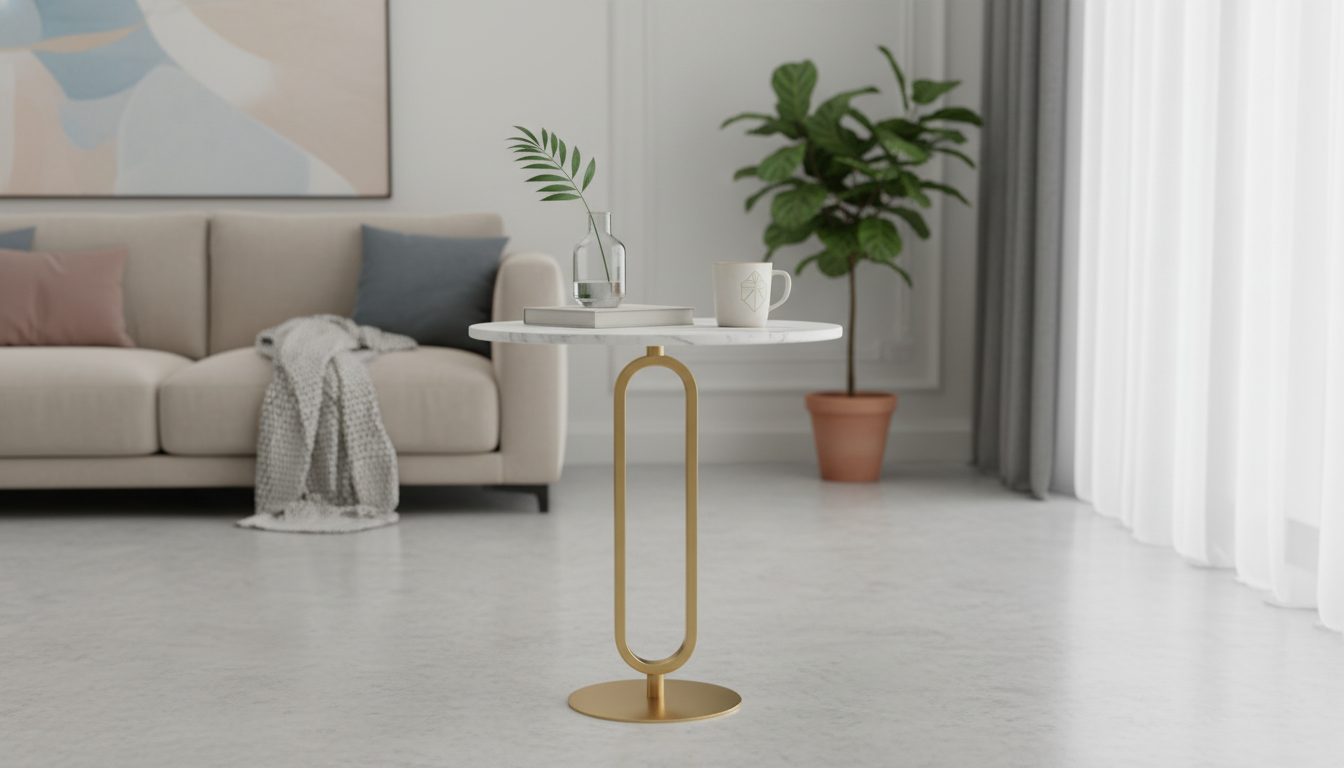
Chic Nordic-Inspired Slate Round Side Table for Modern Homes
Clean lines, natural stone, and a calm palette are hallmarks of Nordic style. A round slate side table brings that look into modern spaces with a grounded, tactile surface that works as a practical landing spot for everyday essentials while adding quiet contrast to soft textiles and warm woods.
If you’re looking for a piece that feels intentional without feeling fussy, the Slate round side table is an easy upgrade—especially in rooms where comfort and simplicity are the design priorities.
What Makes This Side Table Feel Nordic and Modern
Nordic-inspired rooms tend to balance warmth and restraint: fewer objects, better shapes, and materials that feel honest. A slate-look round top paired with a streamlined base fits that mindset in a way that reads both modern and inviting.
- Round silhouette: A circular top softens boxy sofas and angular shelving, keeping the room visually light and easy to move through.
- Slate’s natural presence: The matte, stone-like character adds depth without shouting for attention—ideal for minimalist interiors.
- A “finishing piece” effect: A compact side table can pull seating, lighting, and décor into one cohesive vignette.
- Flexible palette: It works in monochrome schemes and warmer modern palettes alike (oak, beige, greige, and black accents).
For a quick refresher on the principles behind Scandinavian spaces—light, function, and simple forms—Architectural Digest’s overview is a solid reference: Scandinavian Design Basics.
Slate as a Surface: Look, Feel, and Daily Practicality
Slate is popular in modern interiors because it doesn’t feel glossy or overly polished. Even when it’s a slate-style finish, the visual effect is similar: subtle movement and a grounded tone that makes nearby textures (bouclé, linen, wool) feel richer.
- Natural variation adds depth: Slate’s tonal shifts keep the top from looking flat, while still staying calm enough for pared-back rooms.
- Smudge-friendly appearance: Depending on lighting, a more matte surface can disguise small smudges better than high-gloss finishes.
- Coasters are still your best friend: Use coasters for drinks to reduce the chance of rings or residue; wipe spills promptly for easier cleanup.
- Protect the top from hard décor: If styling with ceramics or metal objects, add felt pads underneath to help prevent scuffs.
For practical stone-care guidance (including what to avoid), see the Natural Stone Institute’s stone care guides.
Where It Fits Best in a Modern Home
A round side table earns its keep in more rooms than people expect. Because it doesn’t have sharp corners, it’s especially friendly in tighter layouts where you’re walking past seating or opening doors and drawers nearby.
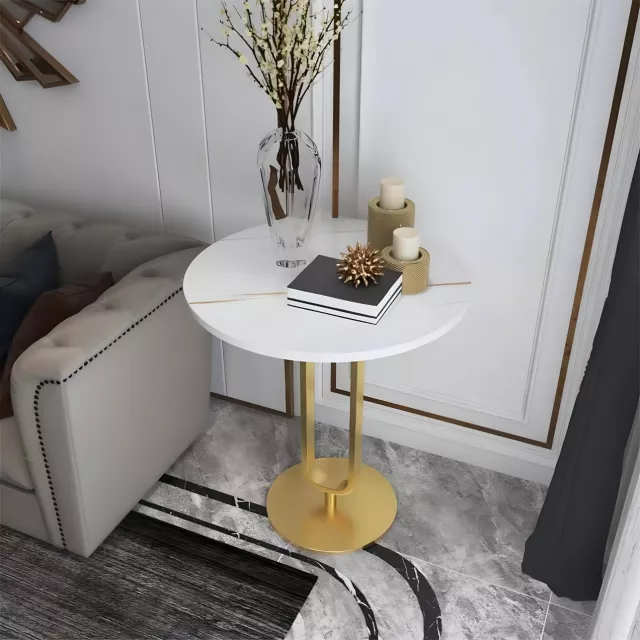
- Living room: Place it beside a sofa arm for a lamp, a book stack, and a catch-all tray.
- Bedroom: Use it as a streamlined nightstand alternative in smaller rooms or guest spaces.
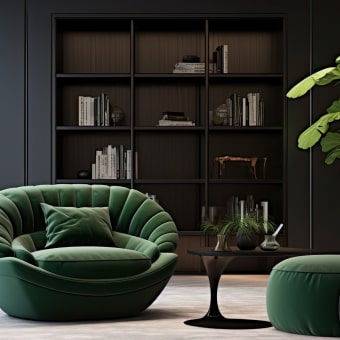
- Reading corner: Pair it with an accent chair and floor lamp to make a simple, functional nook.
- Entryway: In wider foyers, it can hold a small bowl for keys and a minimal vase.
- Home office: Use it as a secondary perch for coffee or a small plant, keeping the main desk surface clear.
Room-by-Room Styling Ideas
| Placement | Best Pairings | What to Keep on Top | Tip for a Clean Look |
|---|---|---|---|
| Beside sofa | Simple lamp, neutral throw | Coaster, book, small tray | Keep items in a tray to reduce visual clutter |
| Next to bed | Wall sconce or compact lamp | Water glass, book, charger | Use a cable clip to keep cords hidden |
| Reading chair | Floor lamp, textured rug | Mug, notebook, candle | Limit to 2–3 objects for breathing room |
| Entryway corner | Mirror, slim bench | Key bowl, small vase | Choose one statement piece (vase or bowl), not both |
Choosing the Right Size and Height (Quick Checks Before Buying)
Before adding any side table to a room, a few quick measurements can prevent the most common annoyances—awkward reach, blocked walkways, and lamps that feel too tall or too low.
How to Style It Without Overcrowding
For more ideas on building balanced tabletop groupings, The Spruce has approachable examples: Side Table Decorating Ideas.
Care and Maintenance for a Slate-Look Tabletop
A Refined Accent Piece Worth Considering
To make the look feel intentional, echo the table’s deeper tones nearby—think a slim black frame, a dark lamp base, or a subtle textile pattern. If you’re building out a soothing nighttime setup in a bedroom or guest room, soft ambient lighting can help complete the mood, such as the 13-Color RGB LED Night Light for Kids.
And for a small comfort upgrade that fits a “wind-down corner” concept (reading chair, side table, throw), the Portable Eye Massager is an easy add-on for screen-heavy days.
FAQ
Does a slate-style tabletop need special cleaning products?
No—most slate-style tabletops do best with gentle, non-abrasive cleaning. Wipe spills promptly, avoid acidic or harsh chemicals, and use coasters to reduce rings and residue.
Is a round side table better than a square one for small spaces?
Often, yes: a round shape improves circulation in tight walkways because there are no sharp corners to bump into. Measure your clearance around seating to ensure comfortable pass-through space.
What height should a side table be next to a sofa?
Aim for a tabletop height that’s roughly level with the sofa arm or slightly lower for the easiest reach. If you’ll add a lamp, also consider shade height so it doesn’t block sightlines across the room.











Leave a comment