


What Body Kit Includes on Most Vehicles
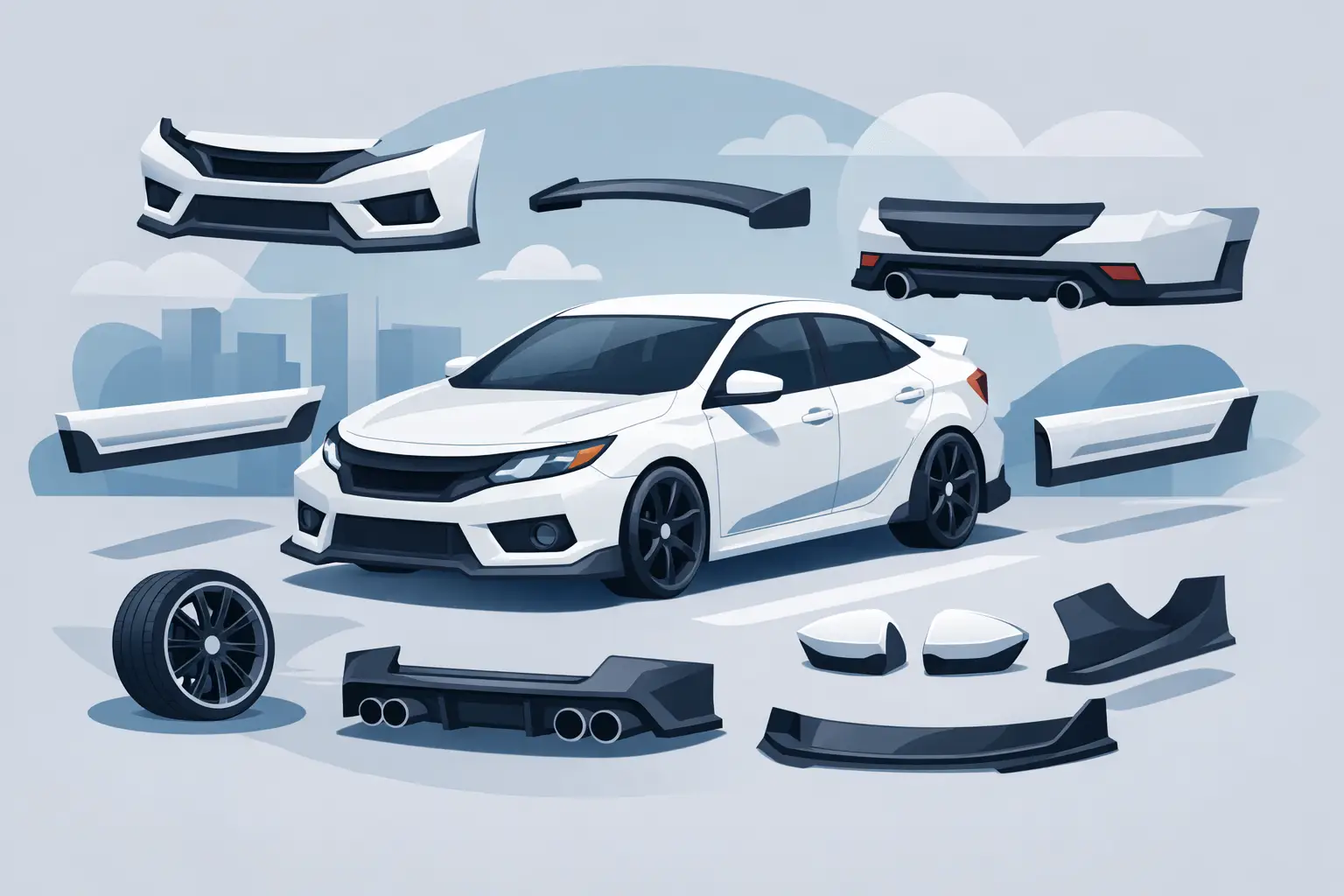
A body kit can completely change how a car looks, but the details matter more than many shoppers expect. If you are wondering what body kit includes, the short answer is that most kits add exterior styling parts such as front and rear bumpers, side skirts, and sometimes extras like a spoiler or fender flares. The exact package depends on the vehicle, the design style, and whether the kit is built for appearance only or for a more performance-inspired setup.
That difference is where buyers usually get tripped up. Two body kits can look similar in photos yet arrive with very different parts, hardware, and fitment requirements. Before you order, it helps to know what is typically included, what may cost extra, and what kind of installation work the kit may involve.
What body kit includes in a standard package
Most standard body kits focus on the visible outer sections of the vehicle. In many cases, the core package includes a front bumper cover or front lip, a rear bumper cover or rear lip, and a pair of side skirts. This is the basic formula for many sedans, coupes, hatchbacks, and some SUVs.
On some applications, the front piece replaces the stock bumper cover. On others, it is an add-on lip that mounts over or under the factory bumper. The same idea applies in the rear. Side skirts typically mount along the lower rocker panel area to create a lower, longer profile and tie the whole design together.
Higher-trim kits may also include a hood, wider fenders, rear valances, diffuser-style trim, or a trunk spoiler. These parts push the package beyond a simple cosmetic refresh and into a more aggressive custom look. Still, not every “full body kit” includes all of these pieces, so the product description matters.
The most common parts you will see
Front bumper or front lip
The front section is usually the most noticeable part of the kit. A full front bumper cover changes the shape of the car’s nose, including the grille area, lower air openings, and fog light surrounds. A front lip is a simpler add-on that gives the stock bumper a sportier lower edge.
For everyday drivers, a front lip is often the easier option because it may install with less modification. A full bumper can create a bigger visual impact, but fitment and paint prep may take more time and money.
Rear bumper or rear lip
The rear piece balances the look of the front. Some kits include a full rear bumper cover, while others include a rear apron or lip that attaches to the factory bumper. Depending on the design, the rear section may feature cutouts for exhaust tips or a diffuser-inspired shape.
This part is worth checking carefully if your vehicle has a specific exhaust layout. A rear bumper designed for dual exhaust may not work cleanly on a car with a single exit setup unless additional changes are made.
Side skirts
Side skirts are one of the most common inclusions in a body kit. They run along the lower sides of the vehicle and visually connect the front and rear sections. Without side skirts, a car can look unfinished after adding a sportier bumper.
Some side skirts are subtle and close to factory style. Others extend lower and outward for a more custom appearance. Lower designs can look great, but they may be less forgiving on steep driveways, speed bumps, and rough parking lot entrances.
Spoilers and wings
Some body kits include a spoiler, but many do not. When a spoiler is included, it may be a low-profile trunk lip or a larger wing-style piece. This tends to depend on the intended style of the kit. A street-style kit might keep things sleek, while a tuner-inspired setup may go bolder.
If you want a spoiler, never assume it is part of the package. It is often sold separately, even when the product photos show it installed.
Fender flares or wide-body pieces
More aggressive kits may include front and rear fender flares or over-fenders. These are designed to widen the appearance of the car and, in some cases, create room for a wider wheel and tire setup. This style can look dramatic, but it is not usually a simple bolt-on upgrade.
Wide-body style kits often require trimming, test fitting, and a more involved installation process. They can also affect wheel fitment, offset choices, and overall drivability in tight spaces.
What body kit includes besides the visible panels
The visible parts get the attention, but buyers should also check for the smaller items that make installation possible. Some kits include mounting hardware such as screws, clips, brackets, or adhesive materials. Others include only the molded parts and leave hardware sourcing to the installer.
You may also see mesh grilles, light bezels, vent inserts, or trim pieces included with the front or rear sections. These extras can save time and help the final setup look more complete. If they are missing, you may need to reuse factory components or buy supplemental parts separately.
Instructions are another area where coverage varies. Some kits include basic installation guidance, while others arrive with little more than the parts themselves. If you are not planning a professional installation, this detail matters.
Materials make a difference
When comparing body kits, material affects price, durability, and ease of installation. ABS plastic is popular because it is relatively durable, practical for street use, and often easier to fit than more brittle materials. Polyurethane can offer flexibility, which may help with light impacts and daily driving conditions.
Fiberglass is common in custom styling because it can be shaped into aggressive designs at a competitive price. The trade-off is that fiberglass may require more prep work and can be more prone to cracking if it takes a hit. Carbon fiber parts are lighter and carry a premium look, but they usually come at a higher price point.
For many value-conscious shoppers, the right choice depends on how the vehicle is used. A daily driver may benefit from a more forgiving material, while a show-focused build may prioritize style first.
What is usually not included
This is where expectations need to stay realistic. Paint is often not included. Many body kits arrive unfinished, primed, or in a raw material state that still needs sanding, prep, and color matching before installation.
Professional installation is also usually separate. Even if a kit is marketed for a specific vehicle, some degree of test fitting or adjustment may be needed. Lighting components, emblems, sensors, weather seals, and factory mounting pieces may not be included either.
If your vehicle has parking sensors, fog lights, splash guards, or other factory accessories, check compatibility before buying. A stylish body kit is not much of a bargain if you have to replace several additional components to make everything work.
Fitment is where smart shopping pays off
Not all body kits are equal, even when they are made for the same model. Vehicle year range, trim level, bumper style, and factory options can all affect fit. A kit designed for one trim may not align properly with another if the original bumper design differs.
It is also worth checking whether the kit is a direct-fit design or a custom-style product that may need modification. Direct-fit options are usually better for shoppers who want a smoother buying and installation process. If convenience, value, and fast results matter most, choosing the right fitment up front can save money later.
Shoppers comparing options on a broad automotive accessories storefront like Vespena often benefit from looking closely at part compatibility, included components, and finish details before checkout. A little extra review can help you avoid returns, delays, and surprise installation costs.
Choosing the right kit for your goals
If your goal is a cleaner, sportier daily-driver look, a kit with front and rear lips plus side skirts may be the best balance of style and practicality. It updates the vehicle without going too far or making ground clearance a constant issue.
If you want a more dramatic transformation, a full bumper replacement kit or wide-body style package may deliver the look you want. Just expect more prep, more installation time, and possibly higher paint and labor costs. The visual payoff can be huge, but so is the commitment.
Price should be evaluated as a full-project number, not just the cost of the kit in the cart. Paint, hardware, installation, and any supporting parts can change the real total quickly.
A good body kit should make your vehicle look intentional, not incomplete. The best purchase is usually the one that matches your car, your budget, and the amount of work you actually want to take on. If you keep that in mind while checking what body kit includes, you will be in a much better position to choose a setup you will still feel good about after it is installed.












Leave a comment