


Electric Vacuum Cupping Set: Smooth Skin & Muscle Relief
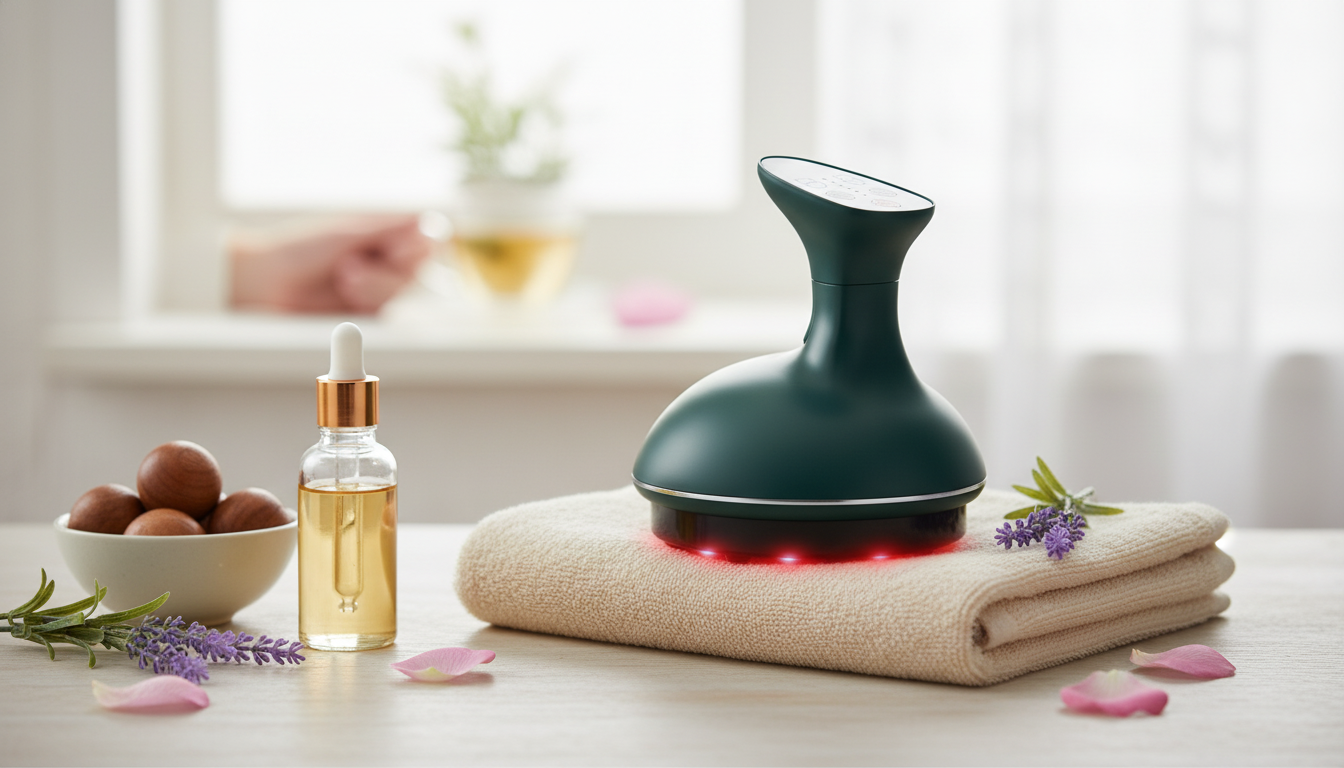
Electric Vacuum Cupping Massage Set for Anti-Cellulite Therapy: At-Home Smoothing & Muscle Relief Routine
An electric vacuum cupping massage set combines adjustable suction with rhythmic massage to support circulation, ease tight muscles, and improve the look and feel of textured skin over time. With a little technique (and plenty of slip), it can become a comfortable add-on to workouts, walking, hydration, and consistent skincare—especially for areas like thighs, hips, glutes, upper arms, and the back.
What Electric Vacuum Cupping Massage Is Designed to Do
Electric vacuum cupping massage uses controlled negative pressure (suction) to gently lift tissue while the cup head glides over skin coated with oil or a slip-friendly lotion. Instead of “digging in” like a deep-tissue tool, suction creates a lifting effect that many people describe as loosening areas that feel tight, stiff, or “stuck.”
Common goals include a temporary reduction in puffiness, a smoother-looking surface, and a more pliable feel after consistent use. It’s often paired with strength training and daily movement, since muscle tone and tissue hydration can influence how skin looks and feels over time. For most people, low-to-moderate suction used regularly tends to be more comfortable (and more sustainable) than turning the level up high once in a while.
For background on cupping and what the evidence suggests, see the National Center for Complementary and Integrative Health (NCCIH) overview of cupping.
Key Features to Look For in a Set
A good electric vacuum cupping set should feel easy to control and easy to keep clean—two details that strongly affect how often it gets used.
- Adjustable suction levels: Helps you start gentle and only increase when your skin tolerates it well.
- Multiple cup heads: Larger heads suit thighs/glutes; smaller heads help around upper arms or targeted spots.
- Comfort controls: Clear level indicators plus a pause/release function so you can stop suction quickly.
- Easy cleaning: Smooth surfaces and removable heads simplify hygiene when you use oils.
- Power and portability: Rechargeable designs support quick sessions; check runtime and charge time.
- Grip and maneuverability: A stable handle matters when hands get oily, reducing accidental tugging.
Suggested Settings and Session Timing by Area
| Area | Beginner suction level | Time per area | Notes for comfort |
|---|---|---|---|
| Thighs (front/outer) | Low | 5–8 minutes | Use plenty of oil; keep the cup moving to reduce bruising risk. |
| Glutes/hips | Low–medium | 5–8 minutes | Work in slow passes; avoid bony edges and the tailbone area. |
| Arms (upper) | Low | 3–5 minutes | Use smaller head if included; lighten pressure near the inner arm. |
| Calves | Low | 3–5 minutes | Stay off the back of the knee; use shorter strokes. |
| Back/shoulders | Low | 3–6 minutes | Avoid spine directly; consider a partner for safer reach. |
How to Use It Comfortably (Step-by-Step)
Comfort comes down to three things: slip, movement, and moderation. The goal is a smooth glide—not a “stuck and yank” feeling.
- Prep the skin: Cleanse and dry, then apply a generous layer of body oil or slip-friendly lotion to prevent dragging.
- Start on the lowest suction: Test a small patch for 10–20 seconds. If it feels pinchy, add more oil or reduce suction.
- Keep the cup moving: Glide in long strokes toward nearby lymph-node regions (for example, up the thigh toward the groin). Avoid lingering in one spot.
- Use light pressure: Let suction do the work. Pressing harder usually increases discomfort without improving results.
- Work in sections: Finish one area (outer thigh) before moving to the next for consistent timing and even tolerance.
- Finish with a cool-down: Wipe off excess oil, drink water, and do gentle stretching or a short walk to keep things feeling loose.
If you’re interested in the “drainage” direction many massage approaches use, the Cleveland Clinic’s overview of lymphatic drainage massage offers helpful context.
Simple Routines for Smoother-Looking Skin
Consistency beats intensity. A routine that feels good enough to repeat is the one that tends to deliver the best change in texture and comfort.
Safety, Comfort, and Who Should Avoid Cupping Massage
Cleaning and Care to Keep the Set Performing Well
Product Picks for an At-Home Recovery Routine
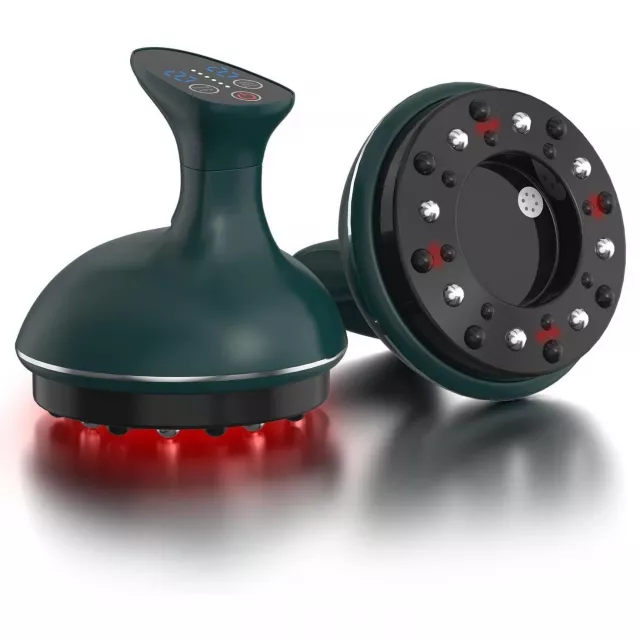
- Electric Vacuum Cupping Massage Set for Anti-Cellulite Therapy: Adjustable suction for at-home massage on larger zones like thighs, hips, and glutes. Start with short sessions and build gradually as your skin adapts.
- Portable Eye Massager: A quick comfort add-on for evenings, screen-heavy days, or post-workout wind-down—especially when your “recovery routine” includes rest as well as movement.
FAQ
How often can an electric vacuum cupping massager be used?
Most people do well with 2–5 sessions per week depending on skin sensitivity. Start at 2–3x/week on low suction and increase only if you’re not left overly tender. If bruising or soreness builds up, take extra recovery days.
Is bruising normal with vacuum cupping massage?
Mild bruising can happen, especially with high suction or if the cup stays in one spot too long. Lower the suction, use more oil, and keep the head moving continuously. Stop using it if bruising is frequent, severe, or painful.
What should be applied to the skin before using the device?
Use a body oil or slip-friendly lotion so the cup glides instead of dragging. Avoid using the device on irritated or broken skin, and patch test your product first if you’re sensitive.














Leave a comment