


Ford Focus, Fiesta & Escape Headrest Cushion Comfort Guide
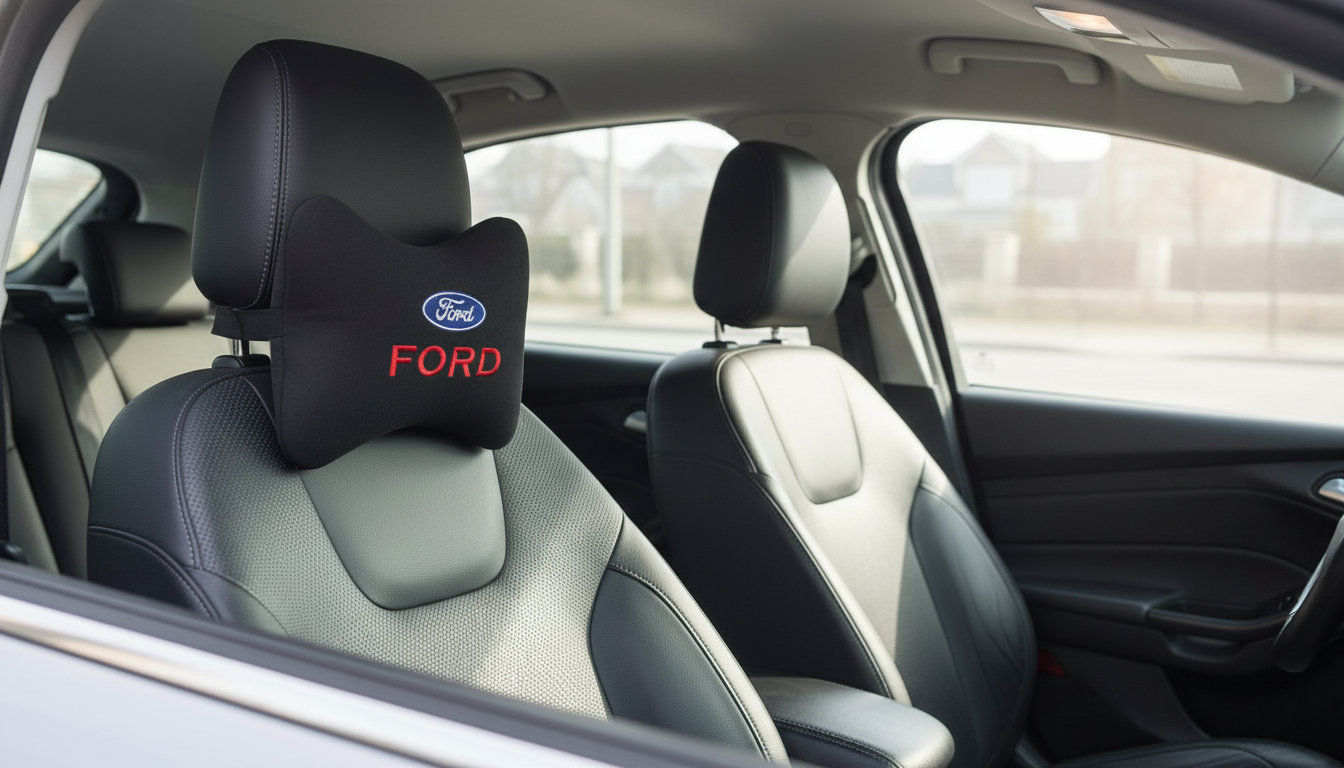
Auto Seat Headrest Cushion for Ford Focus, Fiesta, and Escape: A Small Upgrade That Feels Big
Long drives, commuting, and stop-and-go traffic can leave the neck and upper back feeling tight—especially when the factory headrest sits a little too far back. A dedicated headrest cushion helps bring support forward, encouraging a more natural posture while keeping the cabin looking tidy. For many Ford Focus, Fiesta, and Escape owners, it’s one of those simple add-ons that can make the driver’s seat feel more “dialed in” without changing the look of the interior.
What a headrest cushion changes on everyday drives
A headrest cushion doesn’t replace the seat—it fine-tunes how your head and neck meet the head restraint area, which can change how you feel after a normal workweek of driving.
- Adds a soft contact point behind the head and upper neck to reduce “floating head” fatigue
- Helps limit backward head tilt that can happen when the seat’s headrest is set too far away
- Supports more consistent posture during longer trips and highway cruising
- Can make shared vehicles more comfortable for drivers and passengers with different heights
Even modest improvements in neck support can matter on drives where your shoulders are relaxed but your head keeps subtly reaching back for a headrest that feels just out of range.
Fit and placement for Focus, Fiesta, and Escape seats
Placement is the difference between “nice support” and “why is this pushing my head forward?” With Focus, Fiesta, and Escape seating, the goal is gentle contact at the upper neck—supportive, not forceful.
- Works best when the cushion sits at the natural curve where the neck meets the upper back (not too low on the shoulder blades)
- Adjust the factory headrest height first, then fine-tune cushion position so it meets the head gently without pushing it forward aggressively
- For taller drivers: raise the headrest so the cushion supports the upper neck rather than the mid-back of the head
- For shorter drivers: lower the headrest and position the cushion to avoid forcing the chin downward
- If the seat has an aggressive curve, center the cushion so pressure is even across both sides
Quick placement checklist
| Check | Goal | Adjustment tip |
|---|---|---|
| Headrest height | Cushion contacts upper neck comfortably | Raise/lower the headrest before moving the cushion |
| Fore-aft feel | Head rests naturally without strain | Move cushion slightly up if it pushes the head forward |
| Centering | Even support on both sides | Align with seat center seam or headrest posts |
| Glasses/ponytail comfort | No pressure points | Shift cushion a bit higher or loosen fit slightly |
Comfort features that matter most
Headrest cushions can look similar at a glance, but daily comfort usually comes down to a few practical details.
- Soft surface feel: A smoother, softer contact point helps reduce irritation during short commutes and longer road trips.
- Supportive core: A supportive interior helps the cushion hold shape instead of flattening quickly.
- Stable attachment: A secure fit helps prevent sliding or sagging as you get in and out of the car.
- Compact profile: A streamlined cushion keeps the seat looking clean and maintains good visibility.
If you frequently switch between drivers, look for a cushion that’s easy to reposition—comfort shouldn’t require a full re-setup every time someone else drives.
Simple setup and adjustments
A few minutes of setup can make the cushion feel “custom” to your seating position. A helpful approach is to set your normal driving posture first, then add support where your neck naturally wants it.
- Start with the seatback at a normal driving angle; extreme recline changes where the neck needs support.
- Position the cushion so it meets the neck first, then let the head settle naturally.
- Do a quick test: shoulders relaxed, chin level, eyes forward; the cushion should feel present but not intrusive.
- Re-check after 10 minutes of driving—minor adjustments often make the biggest difference.
It’s also worth confirming that the head restraint is adjusted appropriately. For general guidance on head restraints and why positioning matters, see resources from NHTSA and the IIHS.
Care, cleaning, and keeping it looking new
A headrest cushion sits where hair products, sunscreen, and everyday dust can build up. Basic upkeep helps it stay fresh and prevents grime from transferring to your upholstery.
Common issues and quick fixes
Product option and related picks
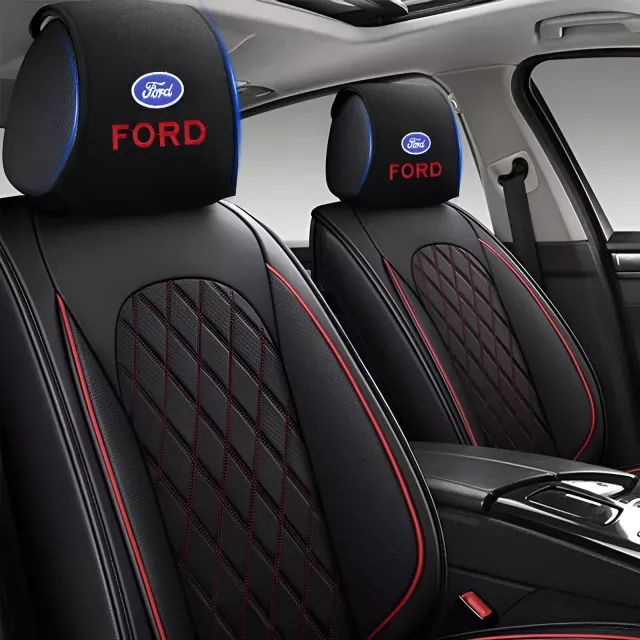
If you want a straightforward comfort upgrade for a Focus, Fiesta, or Escape, a dedicated headrest cushion is an easy place to start. For a simple, budget-friendly option, consider the Auto Seat Headrest Cushion for Ford Focus, Fiesta, Escape.
- Portable Eye Massager for downtime during breaks or after arriving (especially helpful if screen time and driving leave eyes feeling strained).
- 3-in-1 Bottle Gap Cleaner Brush to keep reusable bottles and tight-lid drinkware cleaner—useful for daily commuting routines.
FAQ
Will a headrest cushion affect safety features like airbags?
It shouldn’t when used correctly. Keep the cushion on the headrest area only, and make sure it doesn’t block seat-mounted airbag seams, interfere with seatbelt routing, or prevent headrest height adjustment.
Where should the cushion sit for the best support?
Place it at the upper neck curve where your neck meets the upper back, so your head can rest naturally. Adjust the factory headrest height first, then fine-tune the cushion position and re-check after a short drive.
Why does the cushion push my head forward?
This usually happens when the cushion is positioned too low or attached too tightly. Move it higher, loosen the attachment slightly, and confirm your seatback isn’t overly reclined.















Leave a comment