


3D Massage Chair with Thai Stretch & Zero Gravity Guide
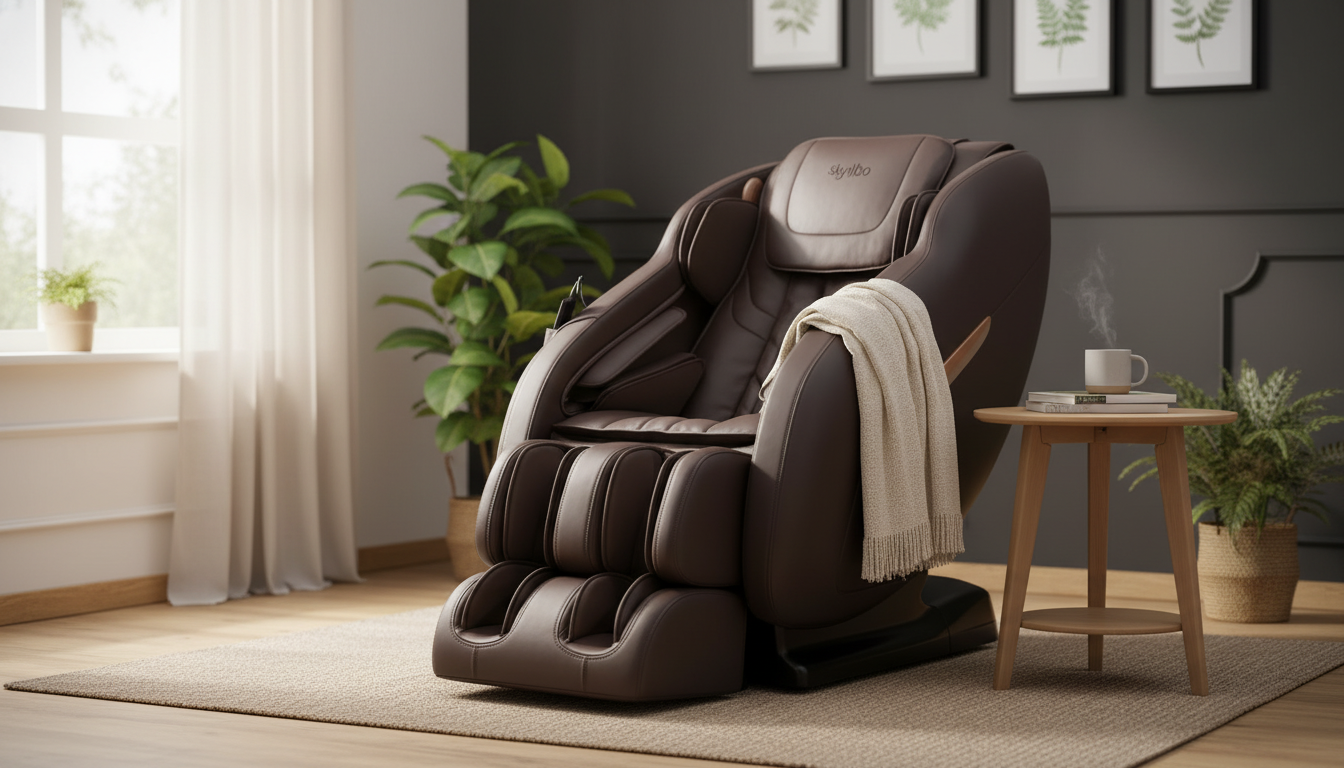
Full Body 3D Massage Chair with Thai Stretch & Zero Gravity
A premium massage chair can turn daily recovery into a simple routine—especially when 3D rollers, Thai-style stretching, and a zero gravity recline work together to ease tension from neck to calves. The right combination can feel like a personalized session: deep when you need it, gentle when you don’t, and supportive enough to stay comfortable through longer programs. If you’re building a long-term home wellness space, it helps to understand what these features actually do, who they tend to help most, and how to use them consistently without overdoing it.
For a feature-rich option designed around these core benefits, explore the Full Body 3D Massage Chair with Thai Stretch & Zero Gravity. To round out a recovery routine—especially for screen-heavy days—a compact add-on like a Portable Eye Massager can also be a simple way to reduce end-of-day tension around the eyes and brow.
What 3D Massage Feels Like
Traditional chair massage rollers often move in a flatter pattern along the back. With 3D massage, the rollers can also press inward with adjustable depth. That extra dimension changes everything: instead of a single “one-pressure-fits-all” sensation, you can dial intensity up for tight muscles or back it off for sensitive days.
Depth control also makes targeting common trouble spots easier—like the upper traps near the shoulders, the mid-back where stress accumulates, and the lumbar area that can feel compressed after hours of sitting. The goal isn’t to “dig” into the spine; it’s to shape pressure so muscles get worked while bony areas stay protected and comfortable.
3D movement pairs well with different program styles. Slower, sustained kneading can feel grounding when you’re trying to unwind before bed. Faster kneading and rhythmic patterns can be useful after workouts when you want more circulation and “flush” without manually foam rolling.
Thai Stretch: Assisted Mobility Without a Floor Routine
Thai-style stretch programs in a chair are designed to mimic assisted stretching and traction—without needing a mat or a full mobility session on the floor. These programs typically coordinate recline angles, leg positioning, and synchronized back/seat movement to create a gentle lengthening sensation through the hips and lower back.
For many people, this is especially helpful for countering long sitting. Tight hip flexors, a stiff posterior chain, and that end-of-day “compressed” feeling in the low back can all feel noticeably better after a well-paced stretch cycle that encourages the body to open rather than brace.
Best practice is to start with shorter cycles at lower intensity. Stretching can feel deceptively mild in the moment, but the body may respond later if you push too hard on day one. A gradual ramp-up—both in duration and intensity—tends to create more consistent long-term comfort.
Why Zero Gravity Recline Changes Pressure and Comfort
Zero gravity positioning elevates the legs while reclining the torso so body weight distributes more evenly across the chair. Instead of concentrating pressure in the lower back and hips, the chair supports you from shoulders to calves in a way that can feel “lighter” and more stable.
This weight redistribution often makes deeper roller work feel smoother and less “pointy,” particularly for users who dislike concentrated pressure on the lumbar area. When your back is supported more evenly, rollers can do their job without your body tensing up to protect itself.
Many people prefer zero gravity for longer sessions because it supports the neck, back, and knees simultaneously. If you’re using the chair in the evening, it can also feel more restful—closer to a reclined recovery position than a typical seated posture.
Full-Body Coverage: From Neck to Feet
Full-body coverage matters because tension is rarely isolated. A chair that coordinates multiple zones—shoulders/neck, back, hips/seat, calves, and feet—creates a more complete “reset” instead of only addressing one area.
Calf and foot massage is a standout feature for anyone who stands for work, walks a lot, or simply feels heavy legs by late afternoon. The lower body often carries repetitive load, and consistent calf/foot work can make the entire session feel more restorative.
Feature Snapshot and Who It Helps Most
| Feature | What it does | Best for |
|---|---|---|
| 3D roller depth | Adjusts how far rollers press into muscles | Tension relief with customizable intensity |
| Thai stretch programs | Guided reclining and traction-like stretching | Mobility support and decompression |
| Zero gravity recline | Redistributes weight and reduces low-back pressure | Longer, more comfortable sessions |
| Full-body zones | Addresses neck-to-feet areas in one routine | General wellness and daily recovery |
Daily Use, Setup, and Care
When a Massage Chair May Not Be Appropriate
For additional background on massage benefits and considerations, see guidance from NCCIH and an overview from Mayo Clinic.
FAQ
What is the difference between 2D and 3D massage in a chair?
2D rollers typically move up/down and left/right along the back. 3D massage adds adjustable depth, so the rollers can press in more or less, giving you finer control over pressure and making the massage easier to customize for different comfort levels.
Is zero gravity safe for daily use?
For most people, zero gravity is used daily for comfort because it helps distribute weight and reduce lower-back pressure during longer sessions. If you have a medical condition that affects circulation, blood pressure, or the spine, check with a clinician before using reclined positions regularly.
How long should a Thai stretch program be?
Start with 10–15 minutes at a lower intensity and increase gradually as your body adapts. Stop if you feel sharp pain or if soreness lingers, and use shorter, gentler cycles when you’re new to stretching programs.











Leave a comment