


Automotive Customization Trends 2026
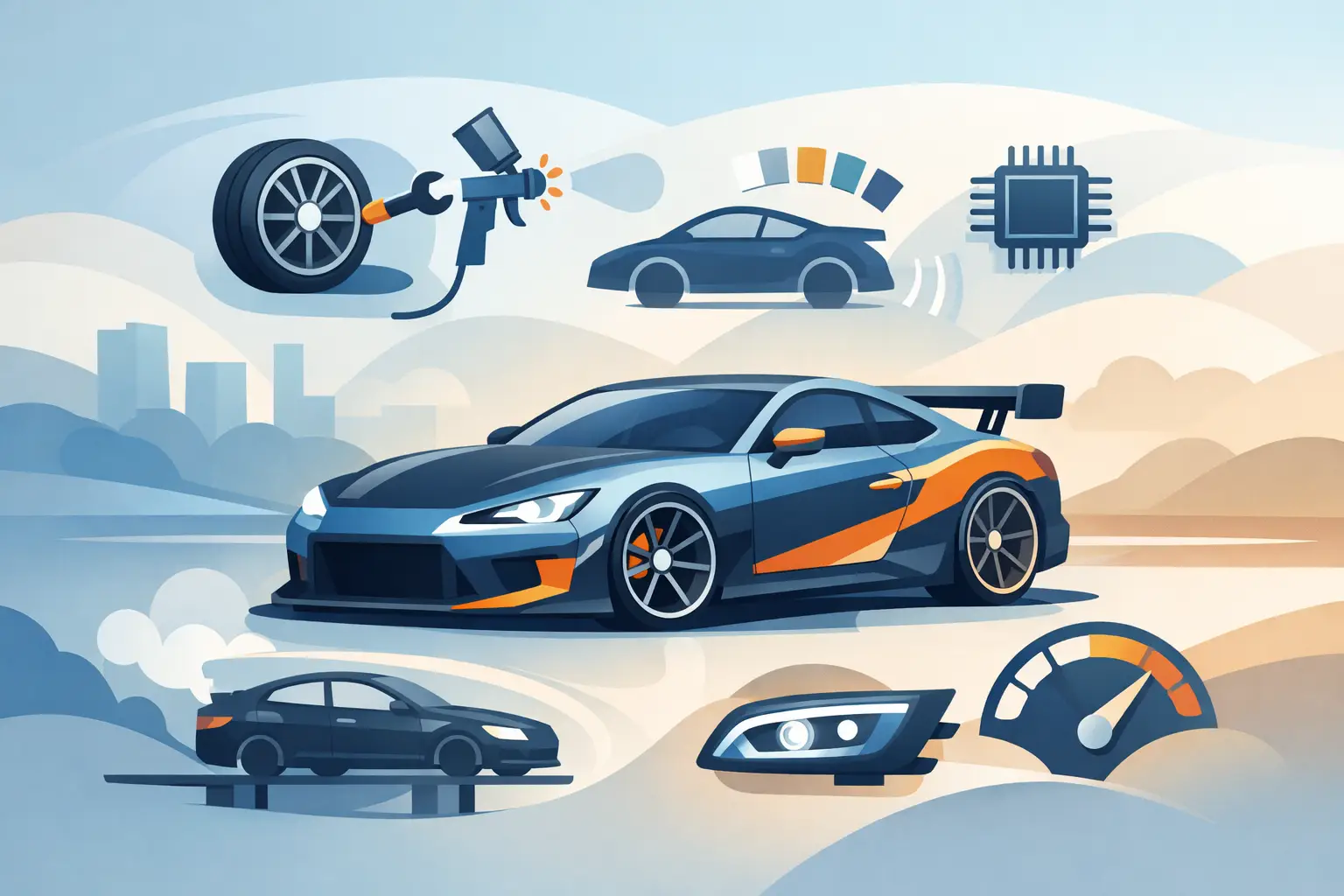
The biggest shift in automotive customization trends 2026 is simple: drivers want upgrades that look better, feel better, and make daily driving easier without turning every purchase into a major project. That means practical style is winning. Buyers still care about appearance, but they are choosing accessories and add-ons that deliver comfort, protection, convenience, and a cleaner finish at a price that makes sense.
For everyday vehicle owners, that changes what matters most. Instead of chasing extreme builds, more shoppers are focusing on upgrades they can enjoy every time they open the door, load the trunk, or head out for work. For enthusiasts, the trend is not less customization. It is smarter customization, with more attention on fit, usefulness, and value.
What automotive customization trends 2026 look like in real life
The market is moving toward upgrades that fit into real budgets and real routines. A fresh set of seat covers, better floor protection, upgraded mirrors, refined lighting, or a subtle body styling change can dramatically change how a vehicle feels without the cost or downtime of a full transformation.
That matters because most shoppers are balancing more than one goal. They want their vehicle to reflect personal taste, but they also want products that protect resale value, help keep the cabin clean, or solve a problem the factory setup never handled well. In 2026, the sweet spot is clear: accessories that combine style with everyday function.
Interior customization is getting more practical
Interior upgrades are no longer treated as an afterthought. They are one of the strongest categories because drivers spend their time inside the vehicle, not standing outside admiring it. Comfort, appearance, and protection are all driving demand.
Seat covers are trending toward better materials and more tailored looks. Shoppers want options that protect original upholstery while still looking intentional instead of temporary. Clean stitching, modern textures, and brand- or model-compatible fit are becoming more important than flashy patterns. The best-selling styles tend to sit in the middle – attractive enough to upgrade the cabin, durable enough for daily use, and affordable enough to replace if tastes change later.
Floor mats are seeing the same shift. More buyers are choosing heavy-duty coverage that handles mud, spills, snow, and everyday wear while still matching the interior. This is especially true for families, commuters, rideshare drivers, and pet owners. A good floor protection setup is not glamorous, but it is one of the easiest upgrades to appreciate every single day.
Small convenience upgrades also fit this trend. Organizers, storage solutions, trim accents, and replacement interior parts are gaining attention because they reduce clutter and refresh older vehicles without requiring major labor. For budget-conscious shoppers, that kind of low-friction improvement is hard to beat.
Exterior style is cleaner and more refined
One of the clearest automotive customization trends 2026 is the move away from overly busy exterior styling. Drivers still want a distinct look, but cleaner lines and more selective upgrades are replacing the pile-on approach.
Body kits and trim add-ons still have a place, especially for enthusiasts, but more buyers are looking for tasteful enhancements rather than aggressive styling for its own sake. Lip spoilers, subtle diffusers, upgraded grilles, mirror caps, and streamlined accents are popular because they can sharpen a vehicle’s appearance without making it harder to live with day to day.
This trend is also tied to installation comfort. Many shoppers want upgrades they can add without specialized fabrication or weeks in a shop. If a part offers a noticeable visual payoff with easier fitment, it has a strong advantage. That is one reason why vehicle-specific accessories continue to outperform generic styling pieces.
There is a trade-off here, though. Ultra-low styling, oversized add-ons, or highly customized body changes can create a stronger statement, but they often bring extra cost, fitment issues, or maintenance headaches. For mainstream buyers, the cleaner route usually wins.
Lighting upgrades are moving from flashy to functional
Lighting remains one of the most popular ways to change a vehicle’s look, but the 2026 shopper is more selective. Instead of choosing brightness for the sake of attention, buyers are looking for lighting that improves visibility, refreshes the vehicle’s design, and feels road-appropriate.
LED-based upgrades continue to lead because they offer a modern look and, in many cases, better efficiency and longevity. Headlights, fog lights, tail lights, and interior lighting all benefit from this shift. Drivers like the sharper appearance, but they also like products that help them see better and make older vehicles feel newer.
Accent lighting still has demand, especially among drivers who want a more customized presence, but there is more caution around going too far. The trend is leaning toward tasteful use. If lighting improves safety and style at the same time, it is a smart buy. If it creates legal concerns or becomes distracting, many shoppers move on.
Protection products are becoming style products too
A few years ago, many protective accessories were treated as purely practical. In 2026, that line is fading. Buyers expect protective products to look good as well.
Weather-resistant floor mats, durable seat covers, cargo liners, splash guards, and sun protection accessories are increasingly chosen not just for function, but also for how well they fit the vehicle’s overall look. This is especially important for drivers who want to keep a newer car in better condition or refresh an older one without overspending.
That is good news for value-focused shoppers because protection upgrades often do double duty. They help preserve the interior and exterior while also making the vehicle feel more finished. For online buyers comparing options quickly, that combination is compelling.
Performance styling still matters, but buyers are more selective
Performance-inspired customization is not going away. It is just being filtered through practicality. Buyers are more likely to choose upgrades that either support real performance goals or clearly improve the vehicle’s appearance, rather than chasing parts with questionable everyday payoff.
That means demand remains strong for selected performance parts, intake-related upgrades, exhaust components, suspension enhancements, and wheel-focused styling accessories. But shoppers are asking more basic questions first: Will it fit correctly? Will it affect comfort? Is the change noticeable enough to justify the spend? Does it work for a daily driver?
This more selective mindset favors products with straightforward value. A driver who wants better handling might accept a firmer ride, but only up to a point. Someone shopping for a sportier look may choose a simpler bolt-on upgrade over a more extreme setup that brings extra complexity. In other words, enthusiasm is still there, but impulse buying is weaker than it used to be.
Brand- and model-specific fit is a bigger selling point
As online automotive shopping grows, shoppers are less patient with generic accessories that may or may not fit. One of the strongest trends for 2026 is demand for parts and accessories that clearly match specific vehicle brands, models, and years.
This is about convenience as much as confidence. Buyers want to spend less time guessing and less time returning products. Better fit usually means better appearance, easier installation, and fewer surprises. For online retailers, broad assortment matters, but fitment clarity matters just as much.
That is why large, easy-to-browse selections are such an advantage. A shopper looking for a simple mirror replacement may also want seat covers, lighting, trim, or floor protection in the same visit. When those categories are easy to shop together, the buying process feels faster and more useful.
Value is shaping every trend
Price sensitivity is not slowing customization. It is changing how people build. Instead of one expensive overhaul, more drivers are making a series of smaller upgrades over time. That approach works well for daily drivers, family vehicles, and first-time customizers because it spreads out cost while still delivering visible results.
This makes affordable accessories especially relevant in 2026. Buyers are not necessarily choosing the cheapest option. They are choosing the option that looks good, performs as expected, and feels worth the money. Fast shipping and a straightforward shopping experience also play a role. If the process is easy, shoppers are more willing to add one more item to the cart or come back later for the next upgrade.
For a broad online retailer like Vespena, this is where convenience meets demand. Shoppers want variety, competitive pricing, and the ability to compare practical and enthusiast-focused products without bouncing between multiple stores.
Where shoppers should focus next
If you are watching automotive customization trends 2026 to decide where to spend first, start with the upgrades you will notice most often. Interior comfort, floor protection, lighting, mirrors, and subtle exterior refinements tend to offer the fastest satisfaction for the money. After that, it depends on how you use the vehicle and how far you want to personalize it.
A commuter car benefits from durability and convenience. A family SUV may need protection and storage first. A weekend project vehicle can lean harder into styling or performance. The best upgrade path is the one that matches the way the vehicle actually gets driven, not just the way it looks in a photo.
The smart move for 2026 is not doing more. It is choosing better. When an upgrade adds style, function, and value at the same time, that is usually the one you will still be happy with months later.









Leave a comment