


Raised Slow Feeder + Water Dispenser for Small Pets
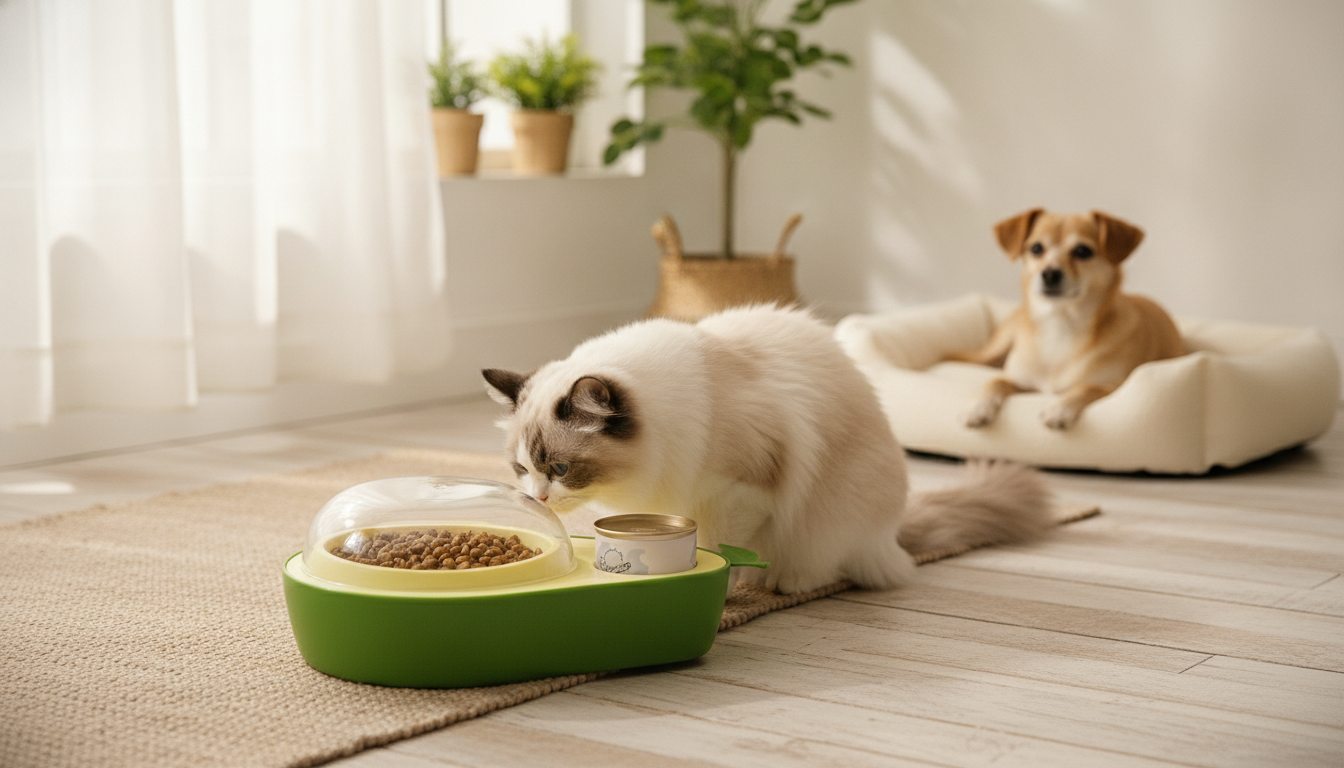
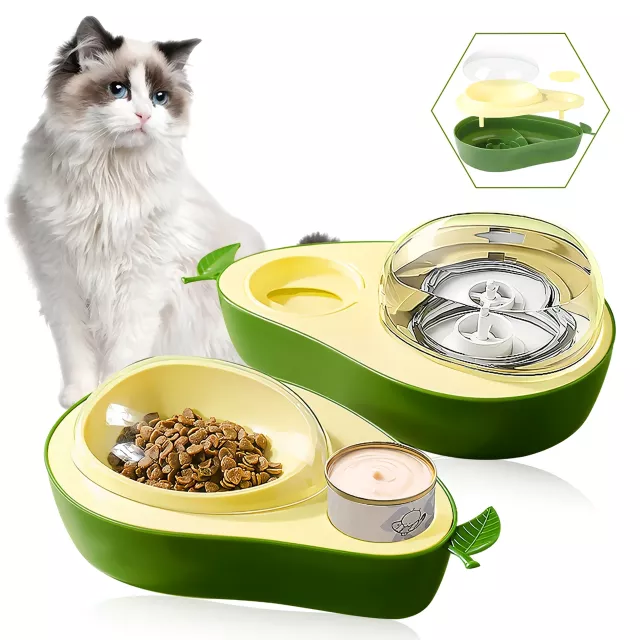
Automatic Raised Pet Feeder with Water Dispenser and Slow Feeder Bowl
A tidy feeding setup can make mealtimes calmer and cleaner—especially for small dogs and cats that eat too fast or splash water everywhere. A raised bowl supports a more comfortable posture, a slow feeder pattern helps reduce gulping, and a gravity-style water dispenser keeps fresh water available between refills. Put together, this kind of all-in-one feeding station can simplify daily routines while encouraging better eating habits.
What This Feeding Station Helps With
- Slows down fast eaters to help reduce gulping, mess, and post-meal discomfort
- Creates a dedicated food-and-water spot that’s easy to keep in one place
- Elevates the bowl to reduce the need for pets to crouch as low during meals
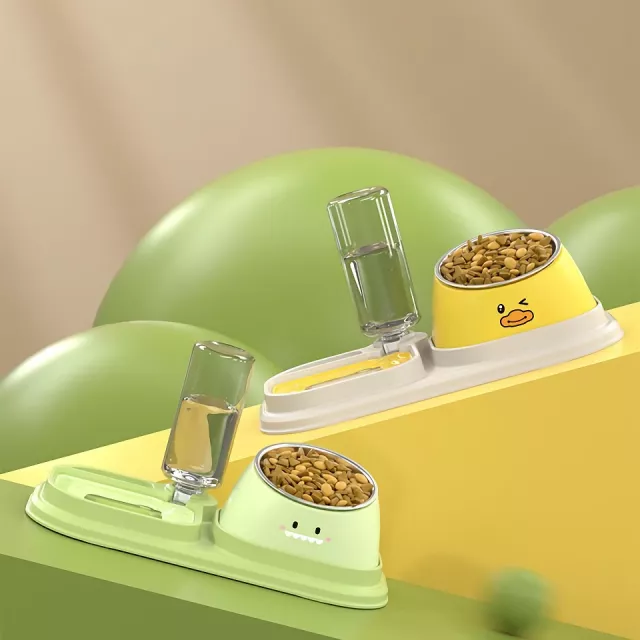
- Keeps water available via a dispenser that refills the drinking tray as the level drops
- Works well for small dogs and cats in apartments, kitchens, and multi-pet areas (with supervision)
For dogs that inhale meals, pacing can matter. Eating extremely fast can contribute to regurgitation and discomfort, and in some cases fast eating is discussed alongside serious GI concerns. If your dog shows repeated bloating, restlessness, or unproductive retching, treat it as urgent and seek veterinary care; the American Kennel Club overview of bloat is a helpful reference: AKC: Bloat in Dogs.
Design Highlights to Look For
- Raised base height: sized for small pets so they don’t have to hunch low, without forcing an awkward neck angle.
- Slow feeder grooves/maze: spreads kibble and encourages licking and chewing rather than gulping.
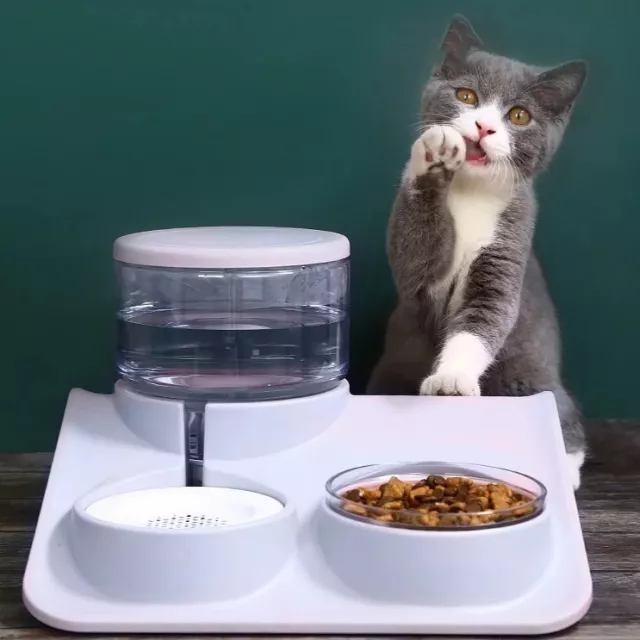
- Separate food and water areas: helps prevent soggy kibble and reduces cross-contamination.
- Stable footprint: a wide base and anti-slip contact points can reduce skidding and tipping.
- Easy-to-remove reservoir: quicker refills and easier rinsing make it more likely you’ll stay consistent.
- Wash-friendly materials: surfaces that clean well help minimize lingering odors over time.
For cats, a clean, predictable feeding setup can also support healthy routines. Cornell’s feline feeding guidance is a useful baseline for understanding portions and schedules: Cornell Feline Health Center: Feeding Your Cat.
How the Water Dispenser Works Day to Day
- Gravity-fed flow: the reservoir typically maintains a small water level in the tray and tops it up as your pet drinks.
- Refill routine: refresh water daily (more often in hot weather), and wash parts regularly to reduce slime/biofilm buildup.
- Placement tip: set the station away from litter boxes and busy entryways to keep debris out of the water tray.
- Multi-pet tip: monitor resource guarding and consider multiple water points if pets compete.
If you notice ongoing vomiting, frequent regurgitation, or signs like lethargy, it’s worth checking with a veterinarian. For a practical overview of when vomiting warrants medical attention, see: VCA Animal Hospitals: Vomiting in Dogs.
Slow Feeder Benefits and When to Use Caution
- Helpful for “vacuum cleaners”: pets that finish meals in seconds, regurgitate, or scatter kibble may benefit from a slower pace.
- Adds mild enrichment: the pattern can make meals more engaging without changing food type.
- Start gradually: begin with smaller portions so your pet learns the pattern without frustration.
- Supervise chewers: discontinue if your pet tries to bite pieces off the bowl or becomes overly frantic.
- Know when to escalate: persistent vomiting, repeated regurgitation, or weight loss should be evaluated by a vet.
Sizing and Setup for Small Dogs and Cats
- Measure comfort: for many small pets, a comfortable rim height is around lower chest level, but body shape and mobility matter more than a single rule.
- Portion fit: confirm the slow feeder grooves still allow your pet’s full meal portion without spilling over the edges.
- Flooring matters: slick tile or wood may require a mat underneath if you see sliding during eager meals.
- Water level check: after assembly, confirm the tray fills to a normal level and there’s no dripping at connection points.
Cleaning and Maintenance Routine
Quick checklist: features and practical benefits
| Feature | Why it matters | Best for |
|---|---|---|
| Raised bowl | Supports a more comfortable eating posture and can reduce floor mess | Small dogs and cats, seniors, apartment feeding areas |
| Slow feeder bowl pattern | Helps reduce fast gulping and scattering kibble | Pets that eat too quickly or seem hungry immediately after meals |
| Water dispenser reservoir | Maintains available drinking water between refills | Busy schedules, pets that sip throughout the day |
| Separated food and water zones | Helps keep food dry and the station organized | Kibble-fed pets, neat feeding setups |
| Stable base | Reduces tipping and sliding during meals | Enthusiastic eaters and slick floors |
Product Option: Automatic Raised Pet Feeder with Water Dispenser
Automatic Raised Pet Feeder with Water Dispenser – Slow Feeder Bowl for Small Dogs & Cats
Other Handy Add-Ons for a Cleaner Feeding Area
- 3-in-1 Bottle Gap Cleaner Brush for small crevices in reservoirs and tray edges
- 13-Color RGB LED Night Light for Kids for quick nighttime refills without turning on bright overhead lights
FAQ
Is a raised slow feeder okay for cats?
Generally yes for many cats, especially those that eat too fast or make a mess. Choose a height that doesn’t force an extended neck posture, and introduce it with supervision to confirm your cat can comfortably access the slow-feeder pattern.
How often should the water dispenser be cleaned?
Refresh the water daily. Wash the reservoir and tray regularly (often weekly, or sooner if you notice slick buildup), using mild soap and thorough rinsing; warm weather and multi-pet homes may require more frequent cleaning.
Can a slow feeder help with vomiting after eating?
It can help when vomiting or regurgitation is tied to eating too quickly by encouraging smaller bites and a slower pace. If symptoms continue, occur frequently, or include lethargy or weight loss, veterinary guidance is important to rule out medical causes.













Leave a comment