


Plush Animal Car Headrest + Lumbar Cushion Comfort Set
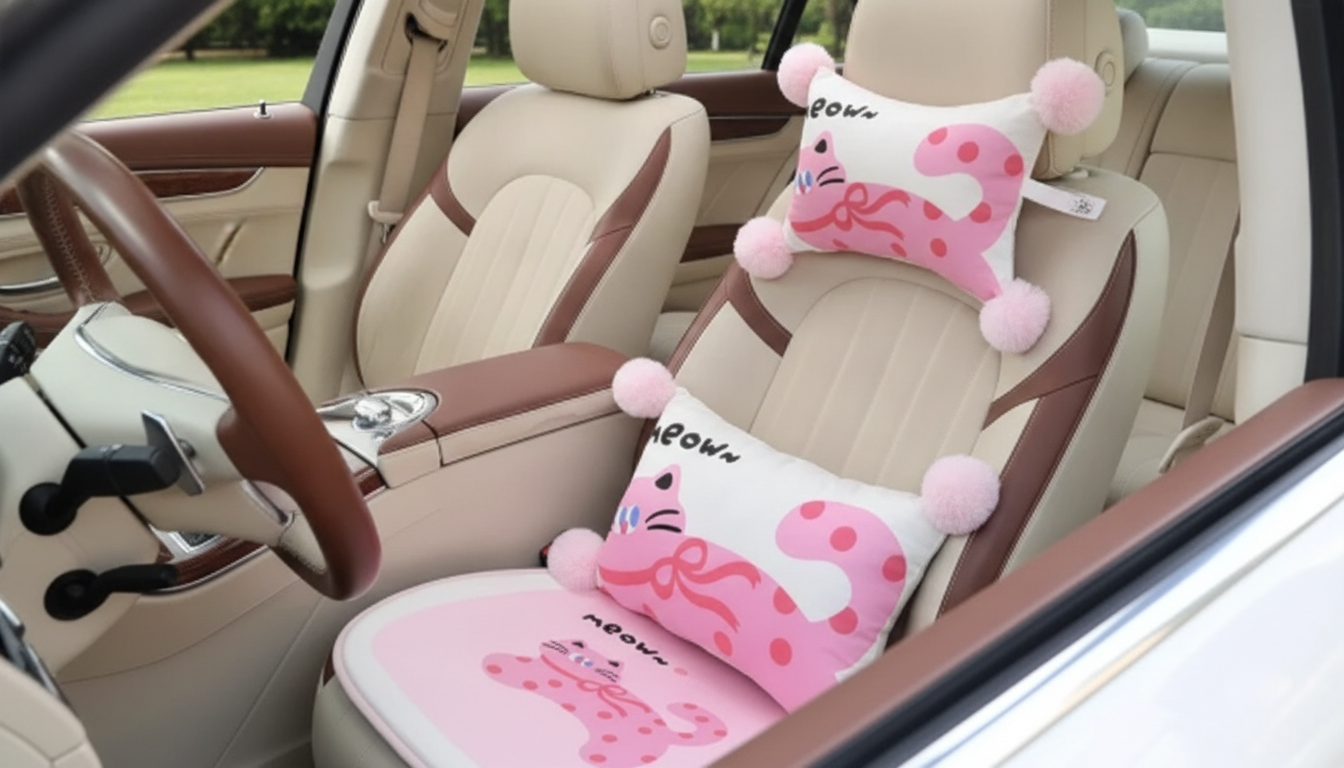
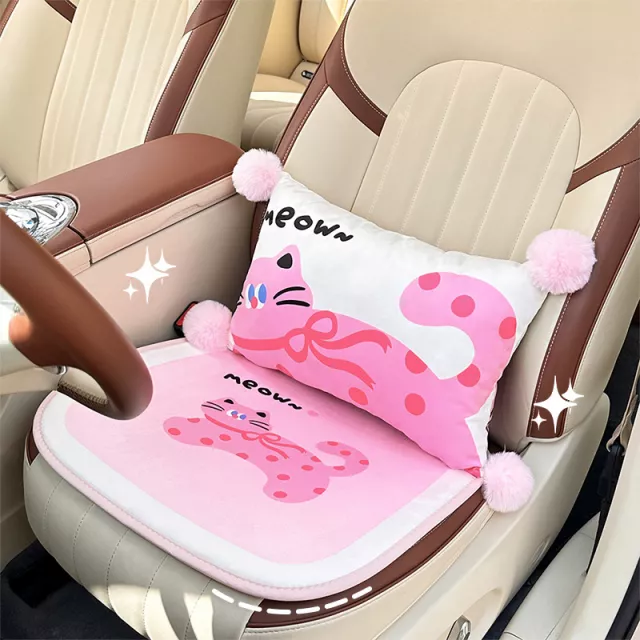
Plush Cute Animal Car Headrest & Lumbar Support Cushion for Everyday Comfort
Long drives, school runs, and stop-and-go commutes can leave the neck and lower back feeling tense. A soft, supportive cushion set can make car seating feel gentler while adding a playful look that kids and adults enjoy. This plush animal headrest and lumbar cushion is designed to add cozy contact points where many people feel strain—behind the neck and at the curve of the lower back—without changing the car’s seat setup.
What the cushion set is designed to do
- Adds a soft buffer behind the head/neck to reduce pressure from a firm headrest surface
- Provides a cushioned contact point at the lower back to encourage a more comfortable seated posture
- Creates a cute, friendly cabin vibe that can help kids settle on longer rides
- Works as an easy, non-permanent upgrade—no tools or seat modifications needed
For drivers who want comfort without the “medical” look of bulky supports, plush animal cushions land in a sweet spot: soft-to-the-touch, simple to position, and easy to remove when the seat is needed for a different passenger.
Headrest comfort: gentle neck support on the road
Many car head restraints are designed for safety first, and their surface can feel firm during everyday driving. A plush headrest cushion helps by creating a softer interface and by filling the small gap that often forms between the neck and the headrest when sitting upright.
- Helps fill the gap between the neck and the seat headrest for a more relaxed feel
- Soft plush surface can feel warmer and less abrasive than leather or textured upholstery
- Useful for passengers who nap in the car and want a softer point of contact
- Best results typically come from placing the cushion so it meets the natural curve at the base of the skull rather than pushing the head forward
Safety reminder: head restraints are part of the vehicle’s protective system. Keep your factory headrest adjusted correctly and use any accessory only if it doesn’t change your natural alignment. For a helpful overview, see the NHTSA guidance on head restraints.
Lumbar comfort: cushioning the lower-back curve
Some seats feel too flat, especially during longer sitting. A lumbar cushion can make the lower back feel more “held” by supporting the natural inward curve and discouraging slouching.
- Supports the inward curve of the lower back, especially helpful when seats feel too flat
- Can reduce the urge to slouch by providing a comfortable contact point
- Useful for drivers and passengers who feel stiffness after longer time seated
- Positioning matters: aligning the cushion with the small of the back typically feels more natural than placing it too high
A small adjustment can change everything. If the cushion feels like it’s pushing you forward, drop it an inch or two lower; if it feels like it disappears, raise it slightly so it meets the curve of your lower spine.
Fit and compatibility across popular vehicles
This set is designed as a general car-seat accessory intended to work across many seat styles. It’s commonly chosen for daily drivers from brands like Mercedes-Benz, Hyundai, and Nissan, but it can also suit many other vehicles where the headrest and seatback can accept add-on cushions.
- Designed to work across a broad range of seat designs
- Often used in everyday sedans, SUVs, and commuter cars
- Seat shape and headrest post style can affect how the cushion sits and feels
- If the seat already has strong built-in lumbar support, the cushion may be used more for softness than structure
Quick fit check before buying
| Checkpoint | Why it matters | What to look for |
|---|---|---|
| Headrest position | Avoids pushing the head forward | Cushion touches the neck comfortably when sitting upright |
| Seatback contour | Affects lumbar placement | Cushion sits at the small of the back without bulging |
| Driver visibility | Keeps the cabin safe and comfortable | No obstruction of mirrors or shoulder checks |
| Child seat/booster use | Ensures secure, proper installation | Do not place accessories where they interfere with car-seat or booster fit |
Materials, feel, and day-to-day use
A plush exterior prioritizes softness against skin and clothing, which can be especially welcome in short-sleeve weather or for sensitive necks. The cute animal styling also adds a friendlier mood to the interior—great for riders who want comfort without turning the car into a “gear” showcase.
Where it fits best: commuters, families, and gift-giving
Recommended comfort add-ons (in stock)
- Plush Cute Animal Car Headrest & Lumbar Support Cushion for Mercedes-Benz, Hyundai, Nissan — a simple way to add soft contact points at the neck and lower back.
- Portable Eye Massager — handy after screen-heavy days or long travel, especially during breaks at home or at the hotel.
- 13-Color RGB LED Night Light for Kids — a cozy companion for bedtime at home, sleepovers, or travel nights when a softer light helps kids settle.
Care tips to keep plush cushions looking fresh
FAQ
Will a headrest cushion affect safety in a crash?
Vehicle head restraints are safety equipment, so any accessory should not push your head forward or prevent correct headrest adjustment. Keep the head restraint positioned according to your vehicle manual, and use a cushion only if it maintains safe alignment; the NHTSA head restraint overview is a helpful reference.
Where should the lumbar cushion sit for the most comfortable feel?
Place it at the small of your back where the natural inward curve is, not at mid-back. Small up-or-down adjustments can improve comfort and help reduce slouching.
Is this cushion set suitable for kids and boosters?
It can be used for comfort, but it must not interfere with proper booster or car-seat fit or seat belt routing. If an accessory creates gaps or changes belt positioning, remove it and follow child passenger safety guidance from sources like the CDC.












Leave a comment