


Best Pet Friendly Couch Materials That Last
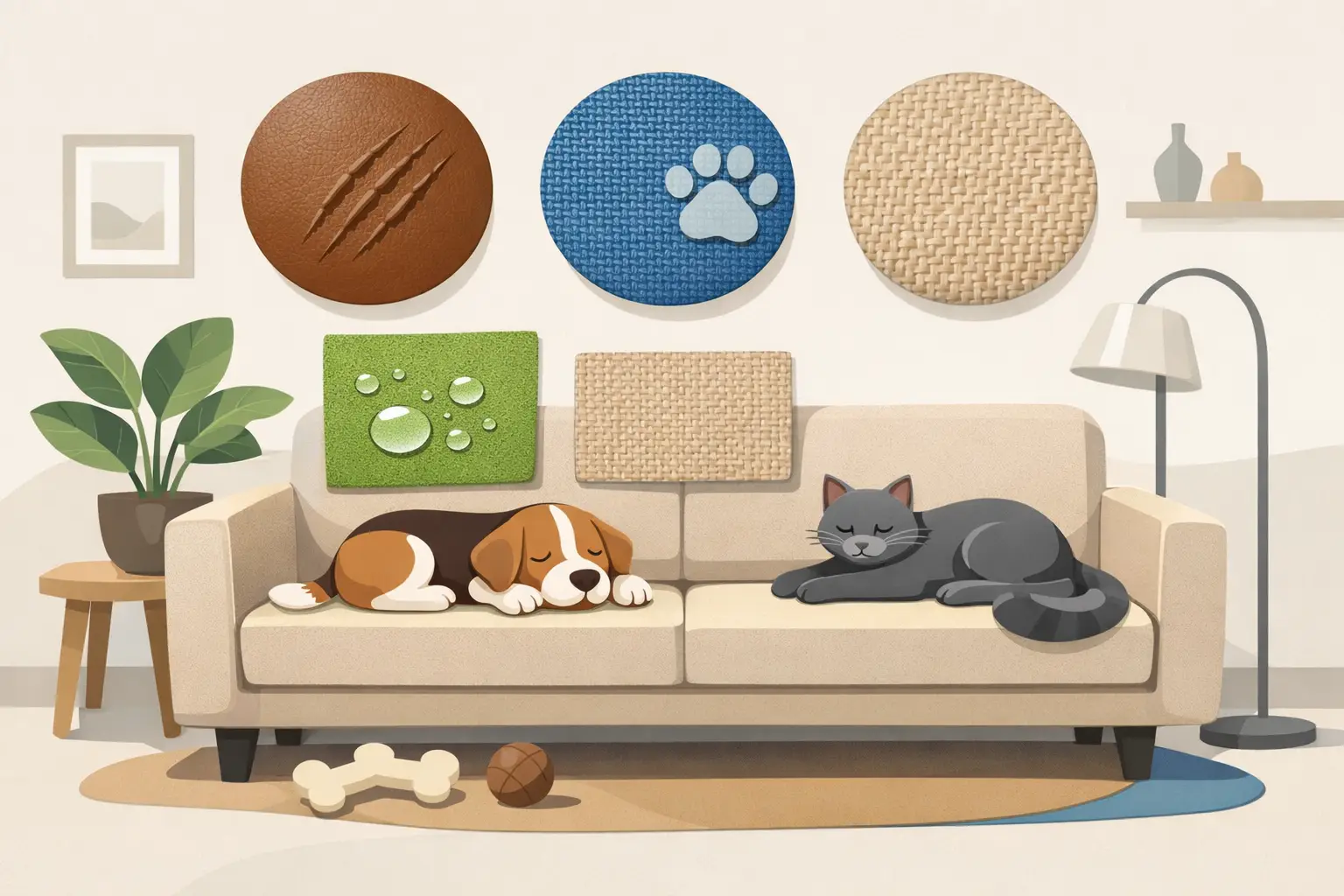
A couch can look great on delivery day and still become a daily cleanup project once a dog claims the cushions or a cat discovers the arms. The right pet friendly couch materials make everyday life easier by standing up to hair, claws, muddy paws, and the occasional accident without asking you to give up comfort or style.
For most homes, the best choice is not simply the toughest fabric. It is the material that fits your pet, your cleaning routine, and how you actually use your living room. A sleek leather sofa may be easy to wipe down, while a textured woven fabric can hide hair better. If your pet is a determined scratcher, that difference matters.
What Makes a Couch Material Pet Friendly?
Pet-friendly upholstery should be easy to clean, reasonably resistant to snags, and forgiving when it comes to visible hair and small marks. Durability matters, but so does the weave. Loosely woven fabrics can catch claws even when the material itself feels thick and substantial.
Look beyond the color and consider how the surface behaves. Smooth, tightly woven, or low-pile materials are usually easier to maintain than fabrics with raised loops, heavy texture, or delicate fibers. Removable cushion covers and washable slipcovers can also make a major difference for homes with puppies, senior pets, or frequent outdoor adventures.
No couch is truly indestructible. A large dog that jumps onto the same cushion every day will create wear over time, and cats may scratch even the most durable upholstery if they do not have a better scratching surface nearby. The goal is to choose a sofa that handles real life well and is simple to refresh when messes happen.
The Best Pet Friendly Couch Materials
Performance Fabric
Performance fabric is often the most practical all-around option for pet owners. It is designed to resist stains, moisture, and everyday wear, making it a strong fit for busy households with dogs, cats, children, or all three.
Many performance fabrics have a tight weave that helps prevent claw snags and makes pet hair easier to vacuum or brush away. Spills and paw prints are typically easier to spot-clean than on traditional upholstery, especially when treated promptly. This material is available in a wide range of colors and textures, so it works well when you want a comfortable, fabric-covered look without high-maintenance care.
The trade-off is that quality varies. Check the care instructions before buying, since some performance fabrics can handle water-based cleaning while others require specific products. A medium-tone color or subtle pattern is usually more forgiving than bright white or deep black.
Microfiber and Microsuede
Microfiber is a popular choice for value-focused shoppers because it is soft, durable, and usually easy to clean. Its dense surface makes it harder for pet hair to work its way into the fibers, and it holds up better against everyday use than many loosely woven fabrics.
Microsuede offers a similar feel, with a smooth, suede-like finish that can suit both casual and more polished spaces. Pet hair is generally easy to remove with a lint roller, vacuum attachment, or slightly damp cloth. For households with shedding pets, this convenience is a major advantage.
Keep in mind that microfiber can show dark wet spots until it dries, and some oils or stains may need careful treatment. It is also not the best answer for a cat that repeatedly scratches one area. A cat scratching post placed near the couch is still worth the space.
Leather and Faux Leather
Leather offers a smooth surface that does not trap pet hair, which makes it especially appealing for homes with heavy shedders. It is easy to wipe after muddy paws, minor spills, or everyday dust, and its clean-lined appearance works across many room styles.
Top-grain leather is durable and can develop a lived-in patina over time. Small marks may blend into that character, particularly on distressed or protected leather finishes. For some owners, that relaxed look is part of the appeal.
However, leather is not scratch-proof. Cat claws and sharp dog nails can leave marks, especially on softer leather. Faux leather is often more affordable and easy to wipe clean, but lower-quality versions may crack or peel with age and heavy use. If you choose either option, keep nails trimmed and avoid placing the sofa directly beside a pet’s favorite scratching or digging spot.
Canvas and Duck Cloth
Canvas and duck cloth are sturdy, tightly woven cotton fabrics that work particularly well for slipcovered sofas. They have a casual, practical look and can handle a household that treats the couch as a daily landing zone.
The biggest benefit is washability when used as a removable cover. Instead of worrying about every small mark, you can remove the cover and follow the manufacturer’s wash instructions. This is useful for pet owners who prefer a fresh, clean couch without professional upholstery cleaning.
Because cotton can absorb stains, it is best to act quickly after accidents. A washable canvas cover in a medium color provides a better balance of convenience and appearance than a light, untreated fabric.
Tight-Weave Synthetic Blends
Polyester, nylon, olefin, and blended upholstery fabrics can be smart choices when they have a tight, flat weave. These materials are often durable, budget-friendly, and available in countless sofa styles.
A quality synthetic blend can resist fading, hold color well, and dry faster than natural fibers after spot cleaning. It is a dependable option for apartments, family rooms, and homes where the couch sees a lot of activity. When comparing options, run your hand over the fabric: smoother surfaces with minimal raised texture are generally safer around claws.
Materials Pet Owners May Want to Avoid
Some fabrics are beautiful but demand more care than most pet households want to give. Open weaves, boucle, tweed, and loosely textured upholstery can snag easily on claws. Once a loop pulls, it can be difficult to repair neatly.
Velvet can look rich and soft, but it tends to show pet hair, paw impressions, and directional marks. Silk, linen, and delicate natural fabrics can stain quickly and may require professional cleaning. That does not mean these materials are off-limits, but they are better suited to low-traffic rooms or homes with pets that stay off the furniture.
If you love the look of a delicate material, consider using it on an accent chair rather than the main family couch. That approach lets you enjoy the style while keeping the everyday seating more practical.
Choose Color and Construction Carefully
Material is only one part of a pet-friendly sofa. Color can reduce the appearance of hair between cleanings. A couch close to your pet’s fur color is often the easiest option, while heathered fabrics, subtle patterns, and medium shades do a good job disguising stray hair and minor marks.
Cushion construction also matters. Removable, reversible cushions help distribute wear, while zippered covers can simplify cleaning or replacement. Avoid decorative piping, loose threads, and exposed trim if your pet likes to chew, scratch, or burrow into cushions.
For extra protection, use a washable throw on the spot where your pet naps most often. It is a simple solution that protects the upholstery without covering the entire couch. Keep a lint roller, handheld vacuum, or upholstery brush nearby so quick maintenance never feels like a big task.
How to Keep a Pet-Friendly Sofa Looking Better Longer
Regular care protects any upholstery, even high-performance materials. Vacuum the couch weekly to remove hair, dander, and grit that can work into the fabric. Blot spills and accidents instead of rubbing them, then use the cleaner recommended by the manufacturer.
Trim your pet’s nails regularly, especially if they jump on and off the furniture. Give cats a sturdy scratching post near the couch, and make it more appealing than the upholstery by placing it where they already like to stretch or scratch. Dogs that dig before lying down may benefit from a designated pet bed with a soft blanket.
When shopping for a new sofa, think about the full room instead of chasing a perfect fabric. A durable couch material, washable accent pieces, and easy-access cleaning supplies create a living space that is comfortable for people and pets alike.
The best couch for a pet-friendly home is one you will feel comfortable using every day. Choose a material that fits your budget and cleanup routine, then enjoy a living room built for movie nights, naps, and the occasional muddy-paw surprise.










Leave a comment