


Grille Guards for Trucks That Fit Your Drive
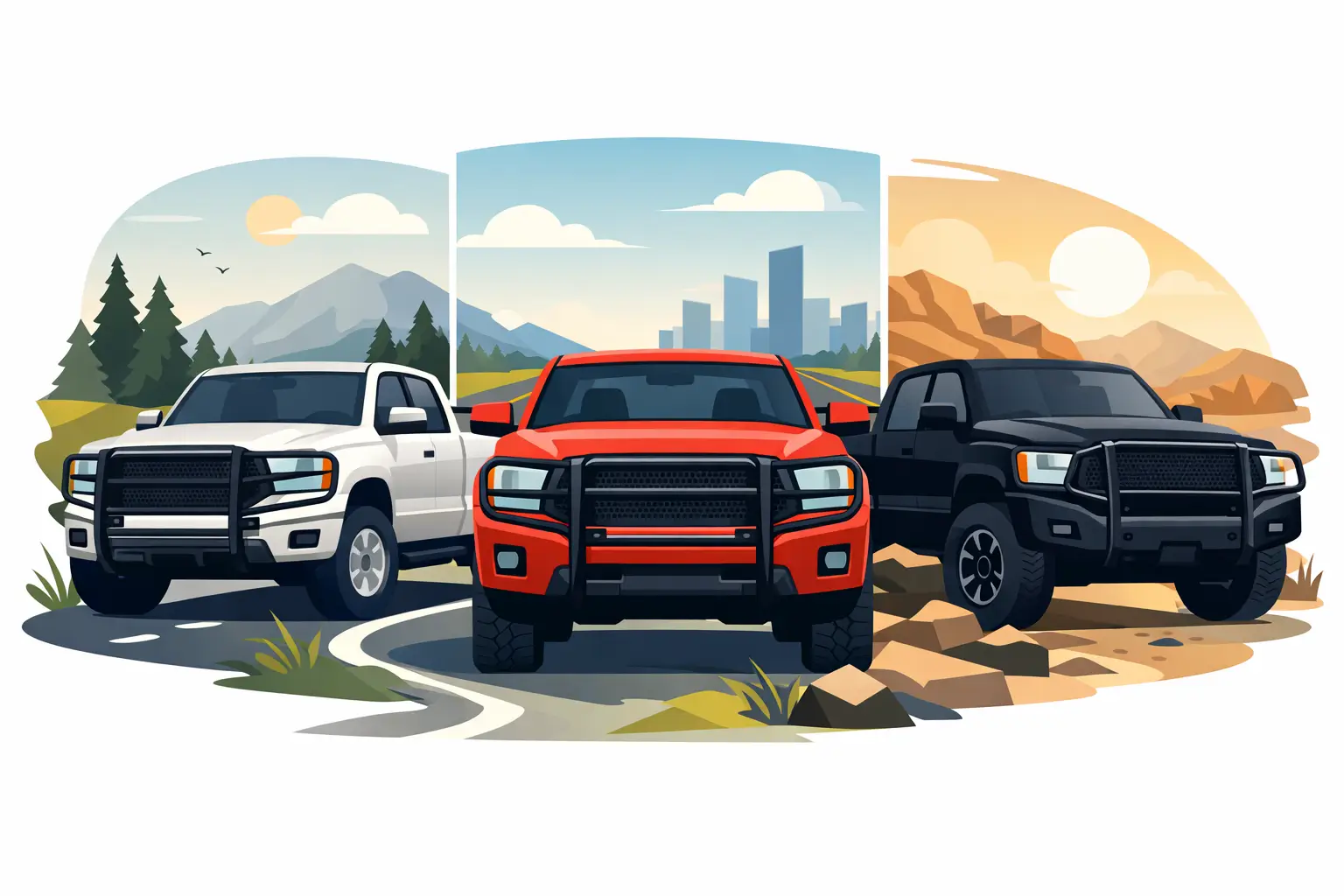
A grille guard changes the front end of a truck the moment it is installed. It can add a more capable look, help shield vulnerable front-end components from light impacts, and create a mounting point for select auxiliary lights. But grille guards for trucks are not one-size-fits-all accessories. The right choice comes down to your truck’s exact year, make, model, trim, and the way you use it every day.
For a work truck, the priority may be practical coverage and easy access to the hood. For a daily driver, style, parking-sensor compatibility, and a clean fit may matter more. Knowing what to check before ordering helps you get the appearance and function you want without making installation harder than it needs to be.
What a Grille Guard Does for Your Truck
A grille guard is a front-mounted frame that typically attaches to the truck’s frame or designated mounting points behind the bumper. Most designs include a center section that sits in front of the grille, plus upright tubes or side wings that extend toward the headlights. Some are referred to as brush guards, although the terms are often used broadly across similar front-end protection accessories.
Its main job is to provide an added layer of protection against minor contact with brush, debris, low-speed bumps, and everyday road hazards. It is not a replacement for safe driving, and it should not be treated as guaranteed protection in a serious collision. Modern bumpers, airbags, sensors, and crumple zones are engineered as a system. A guard should complement that system, not interfere with it.
Appearance is another major reason truck owners choose one. A polished stainless steel model can give a pickup a classic, high-contrast look. A black powder-coated guard often suits off-road-inspired builds, blackout trim packages, and work-ready trucks. The best option is the one that matches both the truck and the job it needs to do.
Choosing Grille Guards for Trucks by Fit
The most important detail is vehicle-specific fitment. Even trucks that look nearly identical can use different bumper mounts, grille shapes, sensor locations, and tow-hook arrangements between model years or trim levels. Always confirm the product is made for your exact truck before adding it to your cart.
Start with the year, make, model, cab configuration if required, and trim. Then look closely at factory equipment. Front parking sensors, adaptive cruise control, front cameras, tow hooks, fog lights, and active grille shutters can all affect which guard works best. A product labeled for a general vehicle range may still have notes for particular trims, bumpers, or packages.
Check whether the guard requires removing factory tow hooks or trimming plastic air deflectors. Neither is automatically a dealbreaker, but it is better to know upfront. If retaining tow hooks is important for recovery or work use, select a design specifically built to accommodate them.
Sensor and Camera Compatibility Matters
Many newer trucks have driver-assistance features mounted in or near the front bumper. A guard that sits too close to a sensor can cause false alerts, blocked readings, or reduced camera visibility. Some vehicle-specific guards include sensor cutouts, relocation brackets, or layouts designed to preserve factory functions.
Read compatibility details carefully rather than assuming a universal guard will work with modern equipment. If your truck has radar-based cruise control or a front camera, confirm clearance before installation. A clean-looking accessory is only a good value if the features you use remain functional.
Pick the Right Material and Finish
Material affects price, maintenance, weight, and appearance. Most grille guards are available in stainless steel or powder-coated steel, with aluminum options available in certain styles.
Stainless steel is a popular choice for drivers who like a polished finish and want strong resistance to rust. It works especially well on trucks with chrome bumpers, bright wheels, or other polished accents. It still benefits from regular cleaning, particularly in areas where roads are treated with salt during winter.
Powder-coated steel is often chosen for a darker, more aggressive look. Quality coatings help resist chips and corrosion, but scratches should be touched up promptly to prevent moisture from reaching the metal underneath. Black guards can also pair easily with black wheels, step bars, bed accessories, and tinted lighting.
Aluminum can reduce weight and may resist corrosion well, making it appealing for some drivers. The trade-off is that aluminum guards may have a different look and feel than heavy steel models. Consider the finish you prefer, local weather conditions, and how much maintenance you are willing to do over time.
Decide How Much Coverage You Need
A full grille guard provides the most visible coverage, generally protecting the grille area and extending around the headlight zone. This style makes a strong statement and is a natural fit for drivers who want maximum front-end presence.
A bull bar is more compact, usually protecting the center lower bumper area. It can be a better choice for truck owners who want a simpler look, need more airflow visibility, or want a convenient location for compatible driving lights. Push bars and sports bars offer other variations, so compare photos and measurements instead of choosing by name alone.
Think about where and how your truck travels. A pickup used around job sites, rural property, gravel roads, or wooded trails may benefit from broader coverage. A truck that spends most of its time commuting and parking in tight lots may be better served by a more streamlined design that preserves a factory-like profile.
Clearance, Access, and Everyday Use
Before buying, consider what sits around the front of your truck. A large guard can affect clearance near curbs, parking blocks, and steep driveways. It can also change how easily you reach the hood latch or clean the grille. Measure your garage space if your parking area is tight, especially if the guard projects noticeably past the bumper.
If you use a front-mounted license plate, verify whether a bracket is included or available. If you plan to add auxiliary lights, make sure the guard has suitable mounting tabs and that your lighting setup complies with local requirements. A well-planned installation keeps the front end useful, not just impressive from the curb.
Installation: What to Expect
Many truck-specific grille guards are designed for bolt-on installation using existing frame points. That can make the job manageable for experienced do-it-yourself owners with basic hand tools, a torque wrench, and enough space to work safely. The guard itself can be heavy, so having a second person available is a smart idea.
Follow the supplied instructions in the stated order. Loosely attach brackets first, position the guard, check that it is centered, and then torque hardware to the manufacturer’s specifications. Do not force brackets into place or drill holes unless the instructions explicitly call for it. Incorrect mounting can create rattles, uneven gaps, or interference with vehicle components.
Professional installation is worth considering if the truck has complex sensors, a camera system, aftermarket lighting, or a bumper configuration that requires extra attention. It may add to the initial cost, but it can save time and help protect factory equipment.
Keep Your Guard Looking Its Best
Routine care is simple and pays off. Wash the guard when you wash the truck, paying attention to seams, mounting points, and areas where mud or road salt can collect. Use products appropriate for the finish, and avoid abrasive pads that can dull polished stainless steel or damage powder coating.
Inspect mounting hardware periodically, especially after rough-road driving, winter weather, or a minor impact. Tighten hardware only to the recommended torque. If you find chips in a coated finish, clean the area and address it early. Small maintenance steps help preserve both appearance and long-term value.
Shop With Fitment First
When comparing options, start with fitment, then choose the style and finish that suit your truck. Product photos are helpful, but compatibility notes, mounting details, and included hardware are what prevent costly surprises. At Vespena, shoppers can compare automotive accessories alongside the other practical upgrades that help make a truck more useful, comfortable, and personal.
A grille guard should look like it belongs on your truck, leave key features accessible, and suit the miles you actually drive. Choose with those details in mind, and the result will be a front-end upgrade that works as well on Monday morning as it does on your next weekend trip.













Leave a comment