


Best Kitchen Storage for Apartments That Works
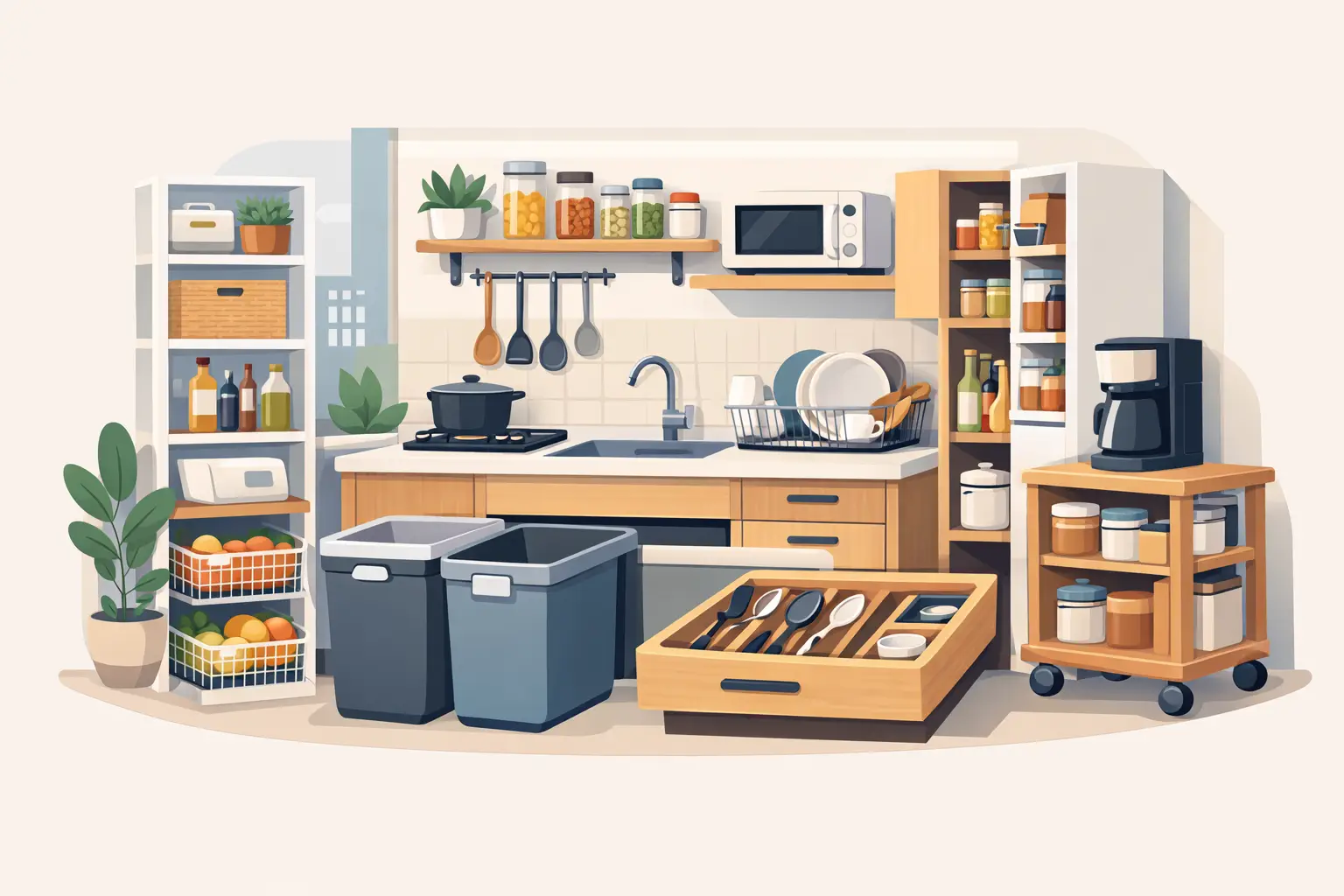
A cramped kitchen rarely has one big problem. It has a dozen small ones: the pans that will not stack, the spice jars hiding behind cereal boxes, and the countertop that disappears after one grocery run. The best kitchen storage for apartments makes every daily-use item easier to find without turning a small kitchen into a maze of bins.
The right setup is not about buying the most organizers. It is about giving each shelf, drawer, wall, and narrow gap a specific job. Start with what you use most, choose storage that fits your rental and cooking habits, and keep a little open space for the items that inevitably change from week to week.
Start With the Storage You Already Have
Before adding racks or containers, take everything out of one cabinet or drawer at a time. Apartment kitchens often look short on storage because deep shelves and awkward drawers are being used as single, unorganized spaces. A few simple dividers can make the existing layout work much harder.
Keep plates, bowls, glasses, and everyday cookware closest to the dishwasher or sink. Place infrequently used serving pieces, specialty bakeware, and holiday items on high shelves. This small reset prevents your everyday tools from competing with things you only reach for a few times a year.
Do not overlook cabinet doors. Slim, over-the-door organizers can hold wraps, cutting boards, cleaning sprays, or pantry staples, depending on the clearance available when the door closes. Measure first. A storage solution that bumps into a shelf or drawer creates more frustration than it solves.
Best Kitchen Storage for Apartments by Area
Small kitchens work best when storage choices match the location. A rolling cart can be perfect beside a tight galley kitchen but unnecessary in a kitchen with unused vertical wall space. Focus on the pressure points in your own layout.
Make Cabinets Easier to Reach
Pull-out cabinet shelves and sliding baskets are among the most practical upgrades for lower cabinets. They bring pots, food containers, and pantry goods forward, so nothing gets lost in the back. They are especially useful under the sink, where pipes take up room and cleaning supplies tend to pile up.
For upper cabinets, shelf risers create a second level for mugs, canned goods, or small bowls. Choose sturdy risers with a flat, stable base rather than flimsy wire designs that wobble under weight. Stackable bins can also group snacks, tea, baking supplies, or grab-and-go breakfast items, making a tall cabinet easier to scan at a glance.
Lazy Susans are a smart fit for deep corner cabinets. Use them for oils, sauces, vitamins, or spices instead of stacking those items in rows. They do take up some usable surface area, so they are best for smaller containers rather than large pantry packages.
Turn Drawers Into Work Zones
A crowded junk drawer is common, but kitchen drawers can do much more when divided by task. Use adjustable organizers for utensils, measuring spoons, bag clips, and small gadgets. Deep drawers are ideal for food containers, pots, lids, or dishes when fitted with simple dividers that stop items from sliding around.
Knife blocks consume valuable counter space in apartments. An in-drawer knife organizer keeps blades protected and frees up the work surface. If you prefer countertop access, select a compact holder and keep only the knives you regularly use there.
Pot lids are another frequent source of cabinet clutter. A lid rack placed inside a drawer or cabinet keeps them upright and separates them from pans. It is a small change, but it eliminates the noisy search for the one lid that fits.
Use Vertical Wall Space Carefully
When cabinets are full, walls and the space below upper cabinets can carry part of the load. A rail with hooks can hold lightweight utensils, oven mitts, or mugs. Magnetic strips are useful for metal knives and spice tins, but install them securely and keep them away from areas where people may brush against them.
Wall-mounted shelves can hold cookbooks, coffee supplies, or attractive everyday dishes. In a rental, removable adhesive hooks and lightweight organizers may be more practical than drilling. Check the product weight limits, and avoid loading adhesive storage with cast-iron cookware or glass canisters.
A pegboard is another flexible option for renters who want storage that can change with their needs. It can organize tools, utensils, and small baskets while keeping the counter clear. The trade-off is visual: an open storage wall looks best when items are arranged neatly and not overfilled.
Add a Rolling Cart Where It Earns Its Space
A narrow rolling cart can act as a mini pantry, coffee station, produce rack, or prep surface. It is one of the few apartment-friendly storage pieces that can move when you need extra room for cooking or guests. Look for locking wheels if it will sit on tile or hardwood floors.
Choose a cart with shelves that suit what you plan to store. Open shelves make pantry staples easy to grab, while a cart with drawers is better for utensils, linens, and less attractive supplies. Measure the aisle space before ordering. If a cart makes it harder to open an oven or refrigerator door, it is not the right fit.
Organize the Pantry Like a Small Store
Whether you have a full pantry cabinet or one shelf beside the fridge, clear categories reduce duplicate purchases and food waste. Group breakfast items, canned goods, pasta, snacks, baking ingredients, and quick dinners. You do not need matching containers for everything, but clear bins and labeled canisters help make inventory visible.
Decanting dry goods such as rice, flour, cereal, and coffee can save space when original packaging is bulky. It also works well for households that buy staples in larger quantities. If you tend to switch brands or buy smaller amounts, labeled bins may be more flexible than a full set of canisters.
Use the tallest shelf for backup supplies and the eye-level shelf for daily staples. A small step stool is often safer and more useful than trying to squeeze heavy jars onto a high shelf you cannot comfortably reach.
Choose Storage That Matches Your Cooking Style
The best organizer depends on what happens in your kitchen. A person who cooks most nights needs accessible cookware, oils, and prep tools. Someone who relies on quick breakfasts and takeout may get more value from a streamlined coffee station, snack bins, and food-container storage.
If you share an apartment, assign zones instead of mixing everything together. One shelf for each roommate’s dry goods or a separate bin for each person’s snacks can prevent confusion without taking over the whole kitchen. Families may prefer lower drawers for kid-friendly cups, plates, and lunch supplies, leaving sharp tools and cleaning products higher up.
It also helps to be honest about duplicates. Four water bottles, several travel mugs, and a stack of mismatched containers can quietly occupy an entire cabinet. Keeping a reasonable number of favorites creates more usable space than adding another organizer to hold things you do not need.
Measure Before You Shop
Storage products are only convenient when they fit. Measure cabinet width, depth, and height, including hinge placement, plumbing, and drawer clearance. For countertop pieces, account for outlets, appliance doors, and the work area you need for preparing meals.
Prioritize durable materials for heavy-use areas. Metal racks and thick plastic bins are dependable for pantry and cabinet storage, while bamboo drawer organizers can add a warmer look to visible spaces. Clear plastic is easy to clean and helps you see what is inside, though it may show scratches over time.
For apartment shoppers looking to organize more than one room, Vespena offers a convenient place to browse practical household storage options alongside everyday essentials. The goal is not to fill every available inch with products. It is to choose a few useful pieces that make cooking, cleaning, and putting groceries away feel faster.
Keep the System Working
Once your kitchen is organized, give it a quick reset after grocery day. Put new items behind older ones, return tools to their zones, and avoid using the counter as permanent storage. A five-minute check is much easier than a full cabinet overhaul every few months.
Leave one small shelf, bin, or drawer section partially open if possible. Apartment life changes quickly, whether you pick up a new appliance, host friends, or stock up for a busy week. A little breathing room is what keeps smart kitchen storage useful long after the first tidy day.











Leave a comment