


Performance Exhaust Buying Guide for Drivers
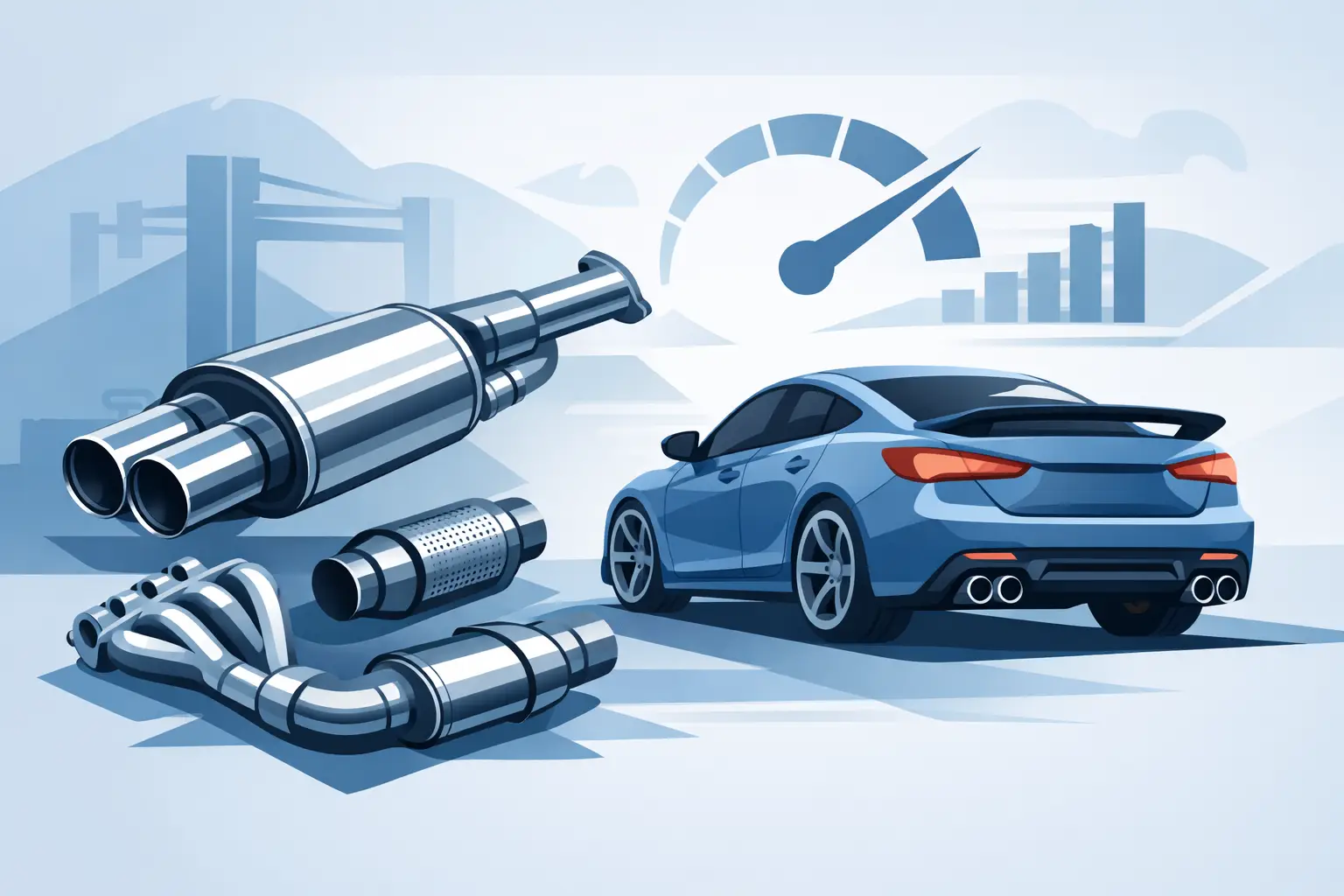
A performance exhaust can make your car feel sharper before you even leave the driveway. The sound changes, the throttle can feel more responsive, and the vehicle picks up a more tailored look from the rear. But buying the wrong setup can leave you with drone on the highway, fitment headaches, or a tone that gets old fast. This performance exhaust buying guide is here to help you sort through the options and choose a system that fits your car, your budget, and how you actually drive.
What a performance exhaust really changes
Most shoppers start with sound, and that makes sense. A stock exhaust is usually designed to keep noise low and satisfy a wide range of drivers. A performance system changes that character. Depending on the design, it can deliver a deeper tone, more volume, or a cleaner, sportier note under acceleration.
There can also be performance gains, but this is where expectations should stay realistic. On some vehicles, especially turbocharged models or cars with restrictive factory piping, a better-flowing exhaust may improve throttle response and free up a bit of horsepower. On others, the change is modest and mostly about sound and appearance. If you want dramatic power gains, an exhaust alone may not get you there.
Weight is another factor many buyers overlook. Some aftermarket systems use lighter materials and simpler muffler designs, which can trim a little weight compared with factory parts. That may matter more to enthusiasts, but even everyday drivers often appreciate the improved look and cleaner finish.
Performance exhaust buying guide: know your main system types
The biggest buying mistake is shopping by appearance alone. The type of system you choose has a major effect on price, sound, installation, and results.
Axle-back systems
An axle-back replaces the exhaust components from the rear axle to the exhaust tips. For many drivers, this is the easiest entry point. It is usually more affordable than a full system, simpler to install, and focused mainly on changing the sound and rear-end appearance.
If you want a more aggressive tone without replacing large sections of piping, axle-back is often the practical choice. The trade-off is that performance gains are usually limited compared with more complete systems.
Cat-back systems
A cat-back system replaces the exhaust from the catalytic converter back to the tailpipes. This is one of the most popular upgrades because it balances sound, flow, and value. Many drivers choose cat-back systems when they want a noticeable step up from stock without getting into more complex emissions-related changes.
You will usually see a bigger difference in tone and, depending on the vehicle, a better chance of modest performance improvement. It costs more than an axle-back, but for many shoppers it hits the sweet spot.
Header-back or turbo-back systems
These systems replace much more of the factory exhaust path. On naturally aspirated vehicles, that may mean from the headers back. On turbocharged cars, it often means from the turbo back. These setups are more involved, more expensive, and typically aimed at enthusiasts chasing larger flow improvements.
They are not always the best choice for a daily driver. Installation is more demanding, legal compliance becomes more important to verify, and the sound can become much louder than some owners expect.
Material matters more than it looks
A polished exhaust may catch your eye, but the material underneath matters for durability and value.
Aluminized steel is usually the budget-friendly option. It can work well for shoppers in drier climates or for vehicles that are not exposed to harsh road salt. The main drawback is corrosion resistance. Over time, especially in wet or snowy regions, it may not hold up as well as stainless steel.
Stainless steel is a more durable choice and often worth the extra cost if you plan to keep your vehicle for years. There are different grades, with 409 stainless being common and solid for everyday use, while 304 stainless offers stronger corrosion resistance and a more premium finish. For value-conscious shoppers, it helps to think about local weather and how long you expect to own the car.
Sound level: where many buyers get it wrong
A clip on your phone speaker is not enough to judge an exhaust. The same system can sound very different in person, and what seems exciting for 20 seconds online can become tiring during a 45-minute commute.
Think about your daily routine. If the vehicle spends most of its time on the highway, drone matters. Drone is that low-frequency cabin noise that hangs around at cruising speed. Some drivers can live with it. Others regret the purchase within a week.
If the car is a weekend toy, you may be happier with a louder, more aggressive setup. If it is your daily driver, a moderate system is often the smarter buy. Many shoppers are happiest with a performance exhaust that sounds stronger under acceleration but stays controlled at idle and cruising speed.
Fitment is not a small detail
Performance parts are not one-size-fits-all. Even within the same model line, trim level, engine size, wheelbase, drivetrain, and body style can affect exhaust compatibility.
Before buying, confirm the exact year, make, model, engine, and submodel of your vehicle. A system built for one engine variant may not fit another. The same goes for coupes versus sedans, short-bed versus long-bed trucks, and single versus dual exhaust layouts.
This is where shopping with a retailer that offers clear product filtering and straightforward fitment information saves time. On a large-accessory site like Vespena.com, that convenience matters because it helps narrow options quickly instead of forcing you to bounce between multiple stores.
Diameter, piping design, and performance trade-offs
Bigger is not automatically better. Exhaust diameter affects gas flow, and the right size depends on your engine and build.
If the piping is too small, it can create restriction. If it is too large, it can reduce exhaust velocity and hurt the balance you want, especially on lower-powered street vehicles. That means a huge pipe may look serious but not necessarily improve real-world driving.
Mandrel-bent tubing is generally preferred over crush-bent tubing because it maintains a more consistent diameter through the bends. That supports better flow. Again, though, the payoff depends on the vehicle. For a basic daily driver, the difference may matter less than overall fit, durability, and sound quality.
Street legality and emissions considerations
This part deserves more attention than it gets. Not every aftermarket exhaust is street legal in every location, and some modifications can affect emissions compliance or noise limits.
A cat-back system is usually a safer route for drivers who want fewer complications, since it typically leaves emissions equipment in place. Once you get into more extensive changes, especially those involving catalytic converters or related parts, you need to verify local and state rules before you buy.
That is especially important if your vehicle must pass periodic inspections. Saving money upfront does not help if you end up needing to swap parts back later.
Installation: DIY or professional?
Some axle-back and cat-back systems are manageable for experienced DIYers with the right tools, lift access, and patience. Others are better left to a shop, especially if rusted bolts, cutting, welding, or tight fitment is involved.
If your main goal is quick, low-stress upgrading, factor installation costs into your budget before you order. A cheaper exhaust is not really cheaper if it needs extra fabrication or creates alignment issues that cost time and money to fix.
How to shop smarter on price
The lowest price is not always the best value, but neither is the most expensive system. A smart buy usually comes down to matching product level with your goals.
If you want a mild tone upgrade and cleaner rear styling, an axle-back may be all you need. If you want a more complete change in sound and a better chance at improved flow, a cat-back often makes more sense. If you are building around other engine modifications, then spending more on a larger system may be justified.
It also helps to pay attention to what is included. Some kits come with tips, clamps, hangers, and hardware, while others may require extra pieces. A deal looks less attractive once you start adding missing components.
A simple way to choose the right exhaust
If you are stuck between options, narrow the decision with three questions. First, do you care most about sound, appearance, or performance? Second, is this a daily driver or a fun car? Third, how long do you plan to keep it?
Those answers usually point you in the right direction faster than comparing every spec on the page. A daily driver that stays on the road year-round often benefits from a stainless cat-back with a moderate tone. A budget-minded commuter may be better served by an axle-back. A heavily modified project car calls for a different conversation.
The best exhaust is not the loudest one or the most expensive one. It is the one that fits your vehicle correctly, sounds right for your routine, and gives you an upgrade you still enjoy months from now. Shop with that mindset, and the decision gets a lot easier.













Leave a comment