


How to Buy Patio Furniture That Fits
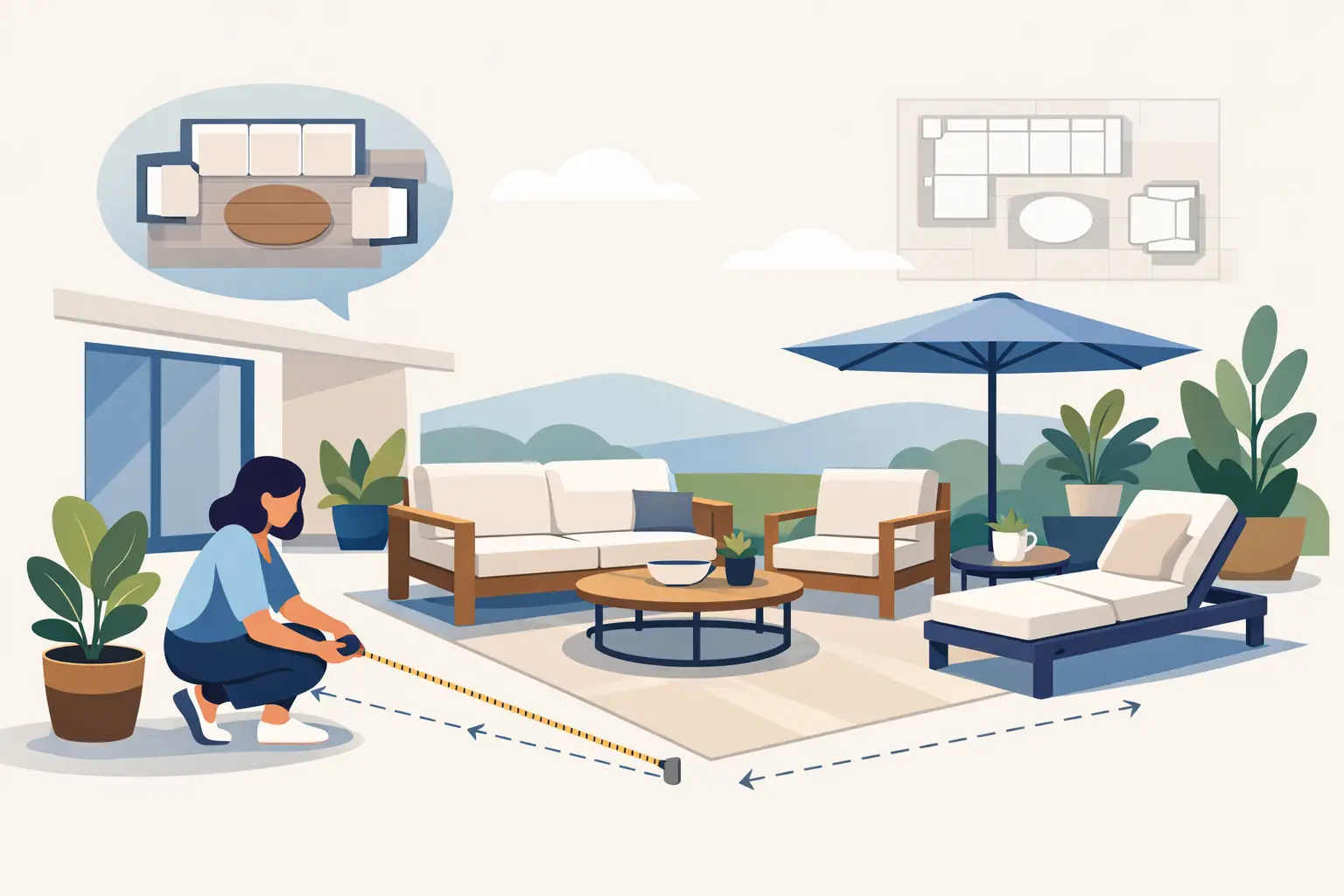
That patio set that looks perfect on a screen can feel very different once it lands on your deck, balcony, or backyard. If you are figuring out how to buy patio furniture, the real goal is not just finding something attractive. It is finding pieces that fit your space, your weather, your routine, and your budget without turning the process into a long comparison project.
Outdoor furniture is one of those purchases where a little planning saves a lot of frustration. The right setup makes everyday use easier, whether you want a quiet morning coffee spot, a family dining area, or extra seating for weekends with friends. The wrong setup can leave you with oversized chairs, high-maintenance materials, or a table that barely gets used.
How to Buy Patio Furniture Without Guesswork
Start with how you actually plan to use the space. A lot of shoppers begin with color or style, but function should come first. If you mostly eat outside, a dining set makes more sense than a deep seating arrangement. If your patio is where you relax after work, cushioned lounge seating may be the better fit. If you need flexibility, modular seating or a small conversation set can cover more than one purpose.
This is also where space matters more than people expect. Measure your outdoor area before you shop, and do not just measure wall to wall. Think about walking room, door clearance, grill access, planters, and traffic flow. A set can technically fit and still make the space feel cramped. In smaller areas like apartment patios or narrow porches, compact chairs, folding pieces, or a bistro set often work better than trying to force in a full-size sectional.
Shape matters too. Rectangular dining tables are great for larger patios, but round tables can make smaller layouts feel easier to move around. Loveseats and club chairs often create a cleaner footprint than bulky sofas. If your outdoor area serves multiple uses, lighter pieces that are easy to rearrange can be a smart buy.
Choose the Right Material for Your Climate
One of the biggest parts of how to buy patio furniture is choosing a material that matches your local weather and maintenance tolerance. The best-looking set is not always the best long-term value if it needs more upkeep than you want to handle.
Metal furniture is a common choice because it is durable and versatile. Aluminum is especially popular since it is lightweight and rust-resistant, which makes it practical for many US climates. Steel tends to feel sturdier, but it can be heavier and may need more attention if exposed to moisture over time. Wrought iron has a classic look and strong presence, but it is heavy and not ideal if you move furniture around often.
Wicker-style furniture, especially all-weather resin wicker, gives outdoor spaces a casual, inviting look. It works well for lounging and conversation sets, and it usually pairs nicely with cushions. Natural wicker is better left for covered spaces, while synthetic wicker is the stronger option for open-air use.
Wood furniture can look warm and high-end, but it usually asks for more maintenance. Teak is a favorite because it holds up well outdoors, though it often costs more upfront. Acacia and eucalyptus can be attractive value options, but they may need regular sealing or care to keep their finish looking good.
Plastic and poly lumber furniture can be a smart choice for shoppers who want easy upkeep and solid durability. Quality varies, so this is one category where construction details matter. A lower price can be appealing, but flimsy frames or poor finishing may not hold up as well over time.
Cushions, Fabrics, and Comfort Matter More Than You Think
It is easy to focus on frame material and forget the part you actually sit on. Comfort can make the difference between a patio set you use every weekend and one that mostly collects pollen.
If the furniture includes cushions, check the fabric type, thickness, and whether the covers are removable. Outdoor-friendly fabrics should handle sun, moisture, and regular use better than standard indoor materials. Quick-drying cushions can be especially useful if your area gets frequent rain or morning dew.
Pay attention to seat depth and back support too. Deep seating feels relaxed and lounge-ready, but it may not be ideal for everyone, especially if you want more upright seating for meals or conversation. Dining chairs should feel supportive enough for longer meals, while lounge chairs should feel comfortable without needing constant cushion adjustment.
If possible, think beyond the product photo. A stylish low-profile set may look great, but if the seat is too low or the cushions are too thin, daily comfort can fall short. This is one of those times when dimensions and product details are worth reading closely.
Match the Style to Your Home, Not Just the Trend
Patio furniture should feel connected to your home instead of looking like a separate design experiment. That does not mean everything has to match exactly, but the style should make sense with your outdoor setting.
Clean-lined metal frames and neutral cushions tend to fit modern homes and minimalist spaces. Wood tones and woven textures work well for more relaxed or natural looks. Traditional homes often pair nicely with classic silhouettes, darker finishes, or timeless dining sets.
Color is where many shoppers can keep things flexible. Neutral furniture gives you room to update with pillows, rugs, lanterns, or umbrellas without replacing the whole set later. If you want a bolder look, it is often easier to add color through accents than commit to a bright frame or pattern that may feel dated faster.
Budget for the Full Setup
A common mistake is spending the entire budget on the furniture itself and forgetting the accessories that make the space usable. If you are planning a dining area, you may also need an umbrella. If you are setting up a lounge zone, you might want a side table, storage box, or furniture cover.
Think about value, not just sticker price. A lower-cost set can be a smart purchase if it matches your space and use, but only if the build quality is dependable enough to last. On the other hand, paying more for features you do not need is not a win either. If you only use the patio occasionally, a simple and durable setup may be the better buy than a large, premium collection.
Shopping online can make comparison easier because you can review dimensions, materials, finishes, and set configurations faster than visiting multiple stores. For shoppers who want variety without bouncing between niche retailers, a broad online catalog can save time and help narrow down options by size, style, and price point.
What to Check Before You Buy
Before you add anything to your cart, review the practical details that are easy to skip. Check the listed dimensions for every piece, not just the overall set. Confirm whether cushions are included. Look at weight capacity if that matters for your household. Read assembly information so you know whether setup will be quick or more involved.
It also helps to check care instructions. Some materials are low-maintenance and only need occasional cleaning, while others require seasonal treatment or covered storage. If you know you prefer easy ownership, choose accordingly. Convenience matters after the purchase just as much as it does during checkout.
Shipping is another part of the decision. Larger patio items can arrive in multiple boxes, and timing may vary by piece. If you are buying for a specific event or season, it is smart to order early enough to avoid rushed decisions. Retailers that offer clear product details, competitive pricing, and a straightforward shopping experience can make the process a lot less stressful. That is one reason many customers prefer shopping a wide selection at Vespena, where it is easier to compare styles and outdoor living options in one place.
The Best Patio Furniture Is the Furniture You Will Actually Use
There is no single best answer for every shopper. A compact balcony setup, a family-sized dining set, and a cushioned sectional for a poolside patio all solve different needs. The right choice depends on your space, weather, comfort preferences, and how much maintenance you are willing to take on.
If you keep coming back to how to buy patio furniture, use a simple filter: buy for real life, not just the photo. Measure carefully, choose materials that suit your climate, and focus on pieces that make your outdoor space easier to enjoy. When the setup fits your routine, you get more than furniture – you get a space you will actually want to use.










Leave a comment