


Lose Weight Eating What You Love: Portion & Craving Checklist
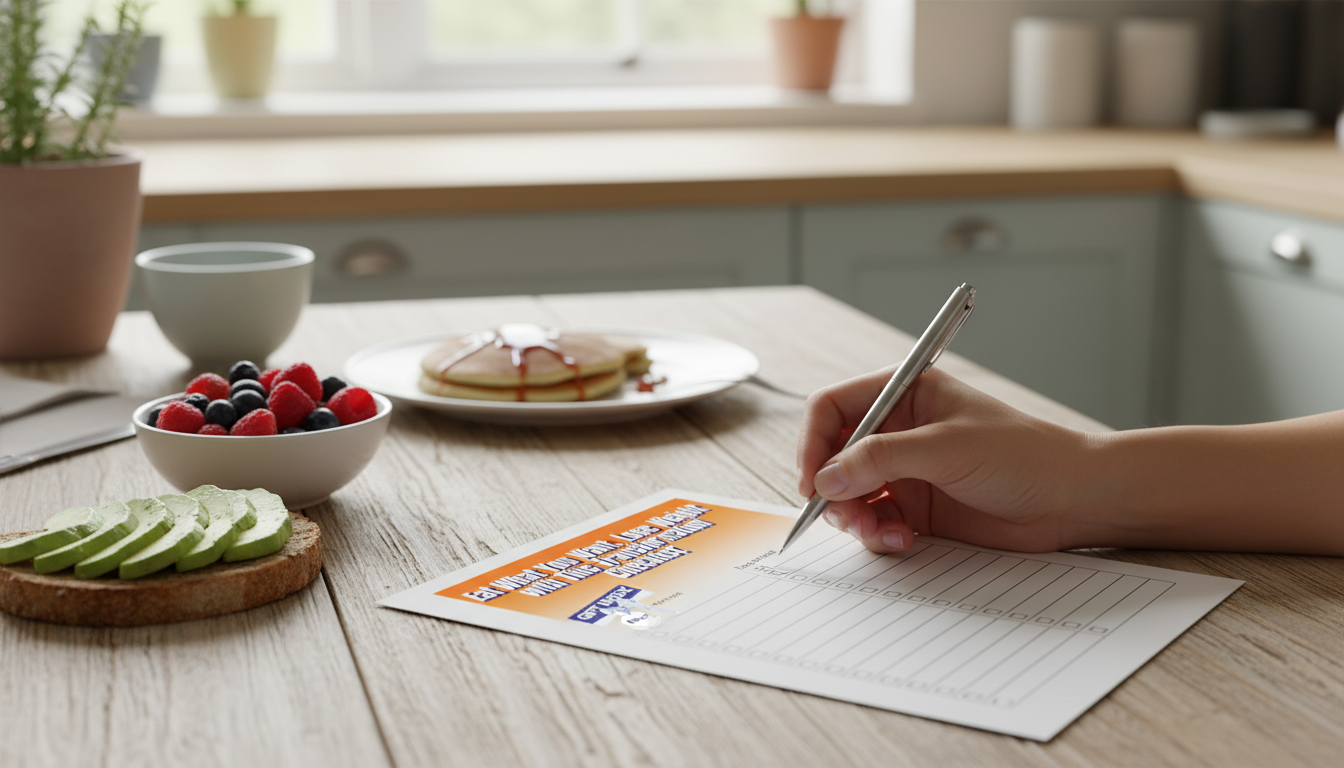
Eat What You Want, Lose Weight: A Transformation Checklist for Mindful Portions and Fewer Cravings
Sustainable weight loss rarely comes from banning favorite foods—it comes from building repeatable habits that keep portions realistic, cravings manageable, and meals satisfying. A simple printable checklist can turn those habits into a daily rhythm: pause, plan, plate, eat with awareness, and reset without guilt when life gets messy.
What “Eat What You Want” Really Means (and What It Doesn’t)
“Eat what you want” works best when it’s paired with structure. The goal isn’t to ignore calories or pretend portions don’t matter—it’s to stop the all-or-nothing cycle that makes cravings louder and consistency harder.
- Freedom with structure: favorite foods stay, but portions and frequency become intentional.
- Satisfaction matters: meals that include protein, fiber, and fats reduce “snack seeking” later.
- Consistency beats perfection: a reliable routine does more than occasional “clean eating” days.
- Not a pass for mindless extras: tasting while cooking, finishing kids’ plates, and liquid calories still count.
For general guidance on building healthier routines that support weight goals, the CDC’s overview is a helpful reference: CDC: Healthy Weight.
How a Printable Checklist Turns Good Intentions Into Daily Habits
Motivation is unpredictable; a checklist is predictable. It reduces the mental load by turning “I should” into simple actions that can be repeated even on chaotic days.
- Creates a clear starting point each morning: hydration, a quick plan for meals/snacks, and one non-food win (walk, sleep, stress reset).
- Builds awareness loops: hunger rating before eating, pause mid-meal, and a quick note on what triggered cravings.
- Reduces decision fatigue: repeatable defaults (go-to breakfasts, balanced plate template, planned treats).
- Supports a “next choice” mindset: one missed checkbox doesn’t derail the day; the next box brings you back.
If you want a ready-to-print daily system, Eat What You Want, Lose Weight with This Transformation Checklist – Printable Weight Loss Guide is designed to make these habits easy to follow and easy to repeat.
The Balanced Plate Method: Keep the Foods You Love, Change the Ratios
Instead of trying to “behave” around food, build a plate that naturally supports fullness. When the base is satisfying, treat foods can fit without turning into an all-day graze.
- Start with protein first: anchor each meal with a protein source to improve fullness.
- Add volume with plants: aim for at least one high-fiber produce option per meal.
- Include satisfying fats: small amounts (nuts, olive oil, avocado) can reduce the urge to keep snacking.
- Choose your “want” food on purpose: bread, pasta, dessert, or fries can fit—pick what you’ll enjoy most and portion it.
Quick portion guide for everyday meals
| Goal | What to put on the plate | Simple visual cue |
|---|---|---|
| Stay full longer | Protein at each meal (meat, eggs, yogurt, tofu, beans) | Palm-sized portion (or 1–2 palms depending on needs) |
| Reduce cravings later | Fiber-rich carbs (fruit, oats, beans, potatoes, whole grains) | Fist-sized portion |
| Control calories without dieting | Non-starchy vegetables (salad, broccoli, peppers, greens) | Half the plate |
| Make meals satisfying | Fats and flavor (oil, cheese, nuts, sauces) | Thumb-sized portion; measure when learning |
For deeper, practical nutrition basics (including protein, fiber, and fats), see Harvard T.H. Chan School of Public Health: The Nutrition Source.
Mindful Eating Checkpoints That Actually Work on Busy Days
Mindful eating doesn’t require long meditations. It’s a handful of quick checkpoints that help you notice hunger, stop sooner, and enjoy food without feeling out of control.
- The 60-second pause: before eating, rate hunger (1–10) and name what’s driving the choice (hunger, stress, habit, celebration).
- Slow the first five bites: put the fork down between bites, sip water, and notice taste and texture.
- Mid-meal check: ask “Am I still hungry or just not done yet?” and adjust pace or portion.
- End-of-meal finish line: stop at “comfortably satisfied,” not stuffed; leftovers are a win, not waste.
- Environment tweaks: eat seated when possible, minimize screens for the first few minutes, and pre-plate snacks.
When stress and screen time push cravings higher, short recovery moments can help. A compact option for relaxation breaks is the Portable Eye Massager, especially for evening wind-down routines that make mindful choices easier.
Portion Control Without Measuring Everything
Portion control can be simple, visual, and repeatable—no food scale required. The goal is to make “reasonable” the default, especially for calorie-dense foods.
Craving Tips: What to Do in the Moment (and What to Set Up Ahead of Time)
For a research-backed overview of safe, sustainable approaches, including behavior change and realistic goal-setting, see NIH/NIDDK: Choosing a Safe and Successful Weight-loss Program.
A Simple Weekly Reset to Keep Progress Moving
Who This Checklist Helps Most (and How to Use It)
For an easy, structured way to put all of this into practice, keep the Printable Weight Loss Guide Checklist somewhere visible and treat it like a daily “reset button,” not a pass/fail test.
FAQ
Can favorite foods fit into weight loss without ruining progress?
Yes—keep favorites, but decide portions and timing in advance. Build meals around protein and produce, and enjoy treats as planned servings rather than impulsive grazing.
What if cravings hit at night even after dinner?
Check for sleep debt and stress, add more protein/fiber at dinner, and consider a planned evening snack if it prevents grazing. Use a short delay routine (tea, brushing teeth, a 10-minute walk) before deciding.
How long does it take for mindful eating habits to feel natural?
Many people notice easier stopping points and fewer impulsive snacks within a few weeks of daily practice. Consistency with a simple checklist speeds up the learning loop.
















Leave a comment