


Raised Ceramic Pet Bowl Guide: Comfort, Size, Cleaning
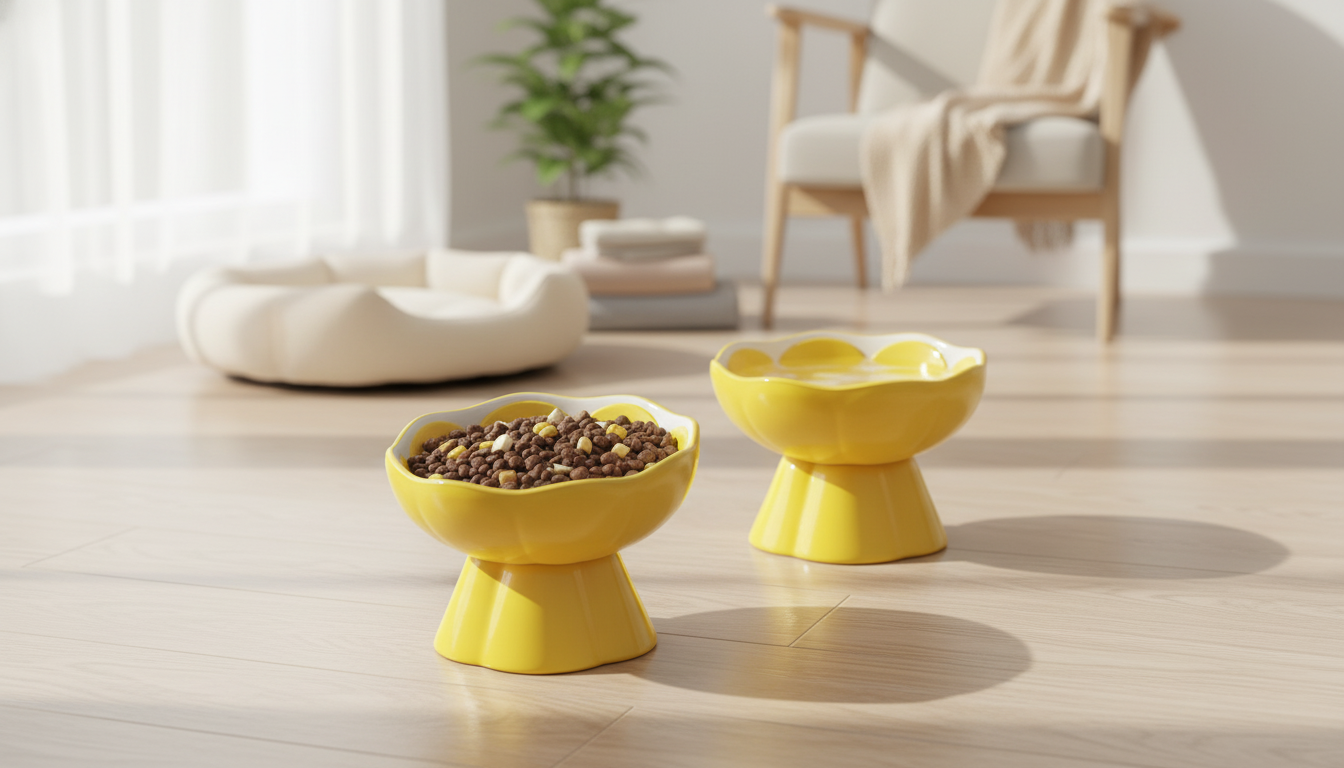
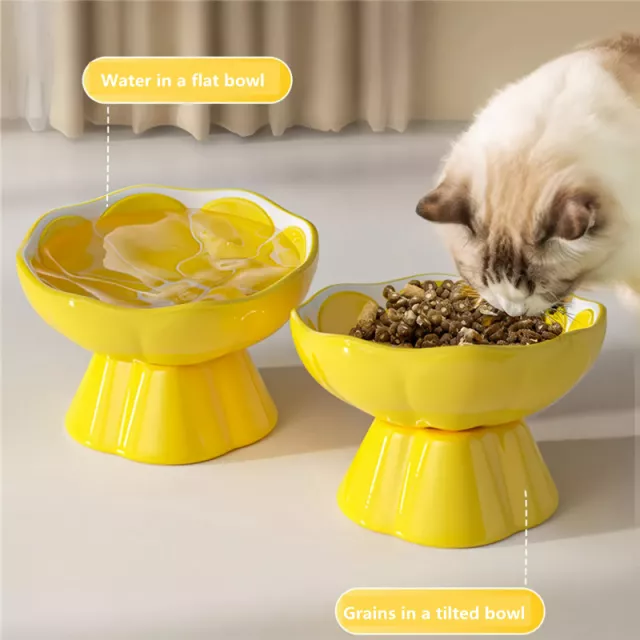
A raised ceramic pet bowl helps many cats and dogs eat and drink in a more natural position while keeping mealtimes tidier. Ceramic is pleasantly heavy, non-porous when properly glazed, and simple to sanitize, making it a practical option for everyday feeding. Below is a straightforward guide to the comfort benefits, sizing basics, cleaning habits, and which pets often appreciate a raised setup.
Why a raised bowl can feel better at mealtime
When food and water sit a bit higher, many pets can approach the bowl without folding into a deep crouch. That more upright posture can look and feel smoother, especially for pets that sprawl, hunch, or brace their front legs while eating.
Raised bowls can also be a welcome upgrade for seniors or pets with stiffness. Repeated bending at the neck, shoulders, and elbows can be uncomfortable over time, and a moderate lift may reduce the “dip down” they do at every meal.
Another practical perk: elevation often adds stability. A heavier, raised setup may reduce sliding and “bowl chasing,” which can lower stress for cautious eaters and help keep kibble closer to the bowl instead of scattered across the floor.
For pets that gulp their food, height alone isn’t a guaranteed fix. Eating pace and bowl design (shape, rim, and whether it’s a slow-feeder style) tend to play a larger role than elevation by itself.
If you have a large-breed dog and are concerned about bloat (GDV), it’s smart to talk through feeding setup changes with a veterinarian because guidance can vary based on breed and individual history. The AKC overview is a helpful starting point for understanding the condition: AKC: Bloat in Dogs (Gastric Dilatation-Volvulus).
What ceramic adds (and what to watch for)
Glazed ceramic is a strong everyday material for pet bowls because it’s typically easy to clean and less likely to hold odors than porous alternatives. That makes it especially useful for wet food and water bowls, where residue can otherwise cling and develop a slick biofilm.
Ceramic’s weight is another advantage. A substantial bowl is harder to tip and less likely to migrate across tile or wood floors when an enthusiastic eater leans in or paws the rim.
When shopping, prioritize a smooth, fully glazed interior. Rough patches and unglazed areas can trap residue and make washing take longer than it should. You’ll also want to routinely inspect for chips or cracks; damaged ceramic can harbor bacteria and may create sharp edges that irritate a pet’s mouth.
Lastly, consider glaze safety. If a pet frequently licks the bowl clean, choosing products that clearly indicate food-contact safety (and avoiding unknown decorative glazes) is a sensible extra step.
For additional hygiene reminders around feeding, the FDA’s safe handling tips are worth a quick read: FDA: Tips for Safe Handling of Pet Food and Treats.
Choosing the right height and bowl size
The “right” height is the one that lets your pet eat and drink without hunching down or stretching up. Visually, the neck should look relaxed and the shoulders shouldn’t be forced upward. If you’re between two heights, starting with the lower option is often easier for a pet to accept—then you can adjust if their posture still looks cramped.
Bowl shape matters as much as height. Many cats do well with a wider, shallower bowl that reduces whisker contact, while dogs often benefit from a bit more depth (especially for water). Capacity is also important: meals shouldn’t be piled so high that food spills over as soon as your pet starts eating. With wet food, spreading portions thinner can reduce messy rim-licking.
If water splashes are common, a slightly deeper water bowl or a washable mat under the feeding station can protect floors and keep the area feeling cleaner day to day.
Quick sizing cues for a raised setup
| Pet type | Comfort goal | Bowl shape cue | Height cue (visual check) |
|---|---|---|---|
| Cats | Less crouching, gentler neck angle | Wider and shallower to reduce whisker contact | Mouth meets bowl without the chest compressing |
| Small dogs | Less reaching down, less floor mess | Medium depth; stable base to prevent tipping | Neck stays neutral; front legs don’t brace excessively |
| Medium to large dogs | Comfort for joints and posture | Sturdy footprint; consider a larger diameter for kibble | Shoulders remain relaxed; no stretching to reach |
| Senior or stiff pets | Easier approach and less strain | Easy-access rim; avoid very deep bowls | Eating looks smooth with fewer pauses to reposition |
Everyday cleaning and hygiene
If you like a tool that can reach tight corners around a feeding station, the 3-in-1 Bottle Gap Cleaner Brush can be handy for quick touch-ups along seams, edges, and hard-to-reach crevices where drips collect.
Who tends to benefit most (and when to be cautious)
Product spotlight: Raised Ceramic Pet Bowl
If you want the easy-clean feel of ceramic plus the comfort of a raised feeding position, the Raised Ceramic Pet Bowl offers a simple, elevated design that fits naturally into a kitchen or feeding corner. The ceramic build provides a stable, substantial feel that many pet parents prefer for everyday use.
FAQ
Are raised bowls good for cats and dogs?
They can be, especially for pets that crouch deeply, seem stiff, or push bowls around. Individual comfort varies, and many pets still do perfectly well with floor-level bowls.
How often should a ceramic pet bowl be cleaned?
Food bowls should be washed daily, and it helps to rinse after each meal—particularly with wet food. Replace ceramic bowls that are chipped or cracked, since damage can trap bacteria.
Do raised bowls help prevent choking or gulping?
Not reliably—height alone doesn’t usually stop fast eating. If gulping continues, slower-feeding strategies like smaller meals or slow-feeder options are typically more effective, and persistent gagging or coughing should be evaluated by a veterinarian.












Leave a comment