


Bell & Catnip Chew Toy: Boost Your Cat’s Playtime
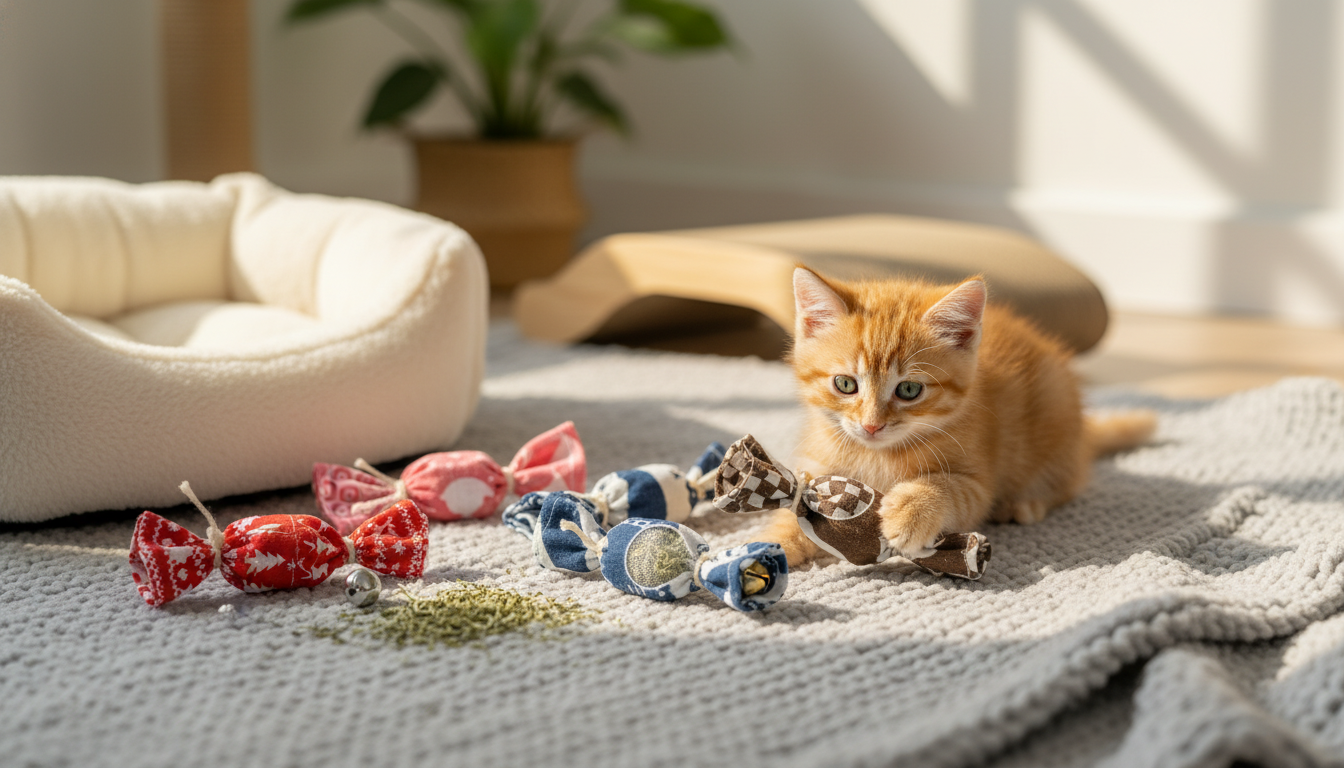
Interactive Cat Chew Toy with Bells & Catnip
A chew-friendly toy that jingles and carries the appeal of catnip can turn short bursts of curiosity into longer, healthier play sessions. This style of toy is designed to encourage batting, pouncing, and chewing—helping many cats stay engaged while offering a simple way to add variety to daily enrichment.
If your cat tends to “test” toys with their mouth, loses interest in quiet plush, or needs a little extra spark to start playing, a bell-and-catnip chew toy can be a practical upgrade to your toy rotation. You can find the featured option here: Interactive Cat Chew Toy with Bells & Catnip.
What Makes This Toy Engaging
Great cat toys usually do one thing well: they get a cat to interact. This one stacks multiple triggers—sound, scent, and texture—so the play “starts faster” and often lasts longer.
- Bells add instant feedback: the sound rewards paw taps and nudges, keeping interest longer than silent toys for many cats.
- Catnip scent can encourage approach behavior: it may help shy or low-energy cats feel curious enough to investigate, especially during the first few play sessions.
- Chewable texture supports natural mouthing: this can be especially helpful for kittens and cats that like to gnaw and “hold” toys in their front paws.
- Lightweight design supports multiple play modes: easy to carry, toss, and bunny-kick, which makes it suitable for solo play as well as quick, interactive sessions.
Sound-based and scent-based enrichment can be especially useful for indoor cats. For general play guidance (including how to keep sessions positive and cat-led), see International Cat Care: Playing with your cat.
Best For
This toy style fits a wide range of cats, but it tends to shine in a few common scenarios—especially when you’re trying to replace “mischief” chewing with an appropriate outlet.
- Kittens learning to play hunt-and-capture games and exploring safe items to chew.
- Indoor cats that need extra stimulation between structured play sessions.
- Cats that respond well to sound cues (bells, crinkles) and prefer fast feedback.
- Multi-cat homes where toys may need to be rotated frequently to prevent boredom.
- Cats that enjoy chewing but should avoid unsafe household items like strings, elastics, or plastic wrappers.
Catnip doesn’t affect every cat, and that’s normal. According to ASPCA: Catnip, catnip is generally considered non-toxic for cats, though reactions can vary from calm interest to short bursts of zoomy excitement.
How to Use It for More Play in Less Time
Small tweaks in how you offer a toy can change how long your cat sticks with it. Instead of leaving it out 24/7, treat it like a “special” item that appears briefly and then disappears again.
- Start with short sessions: toss or slide the toy across the floor to trigger a chase; end play while interest is still high.
- Rotate toys: put it away after play and bring it back later to keep the bell sound and catnip scent feeling new.
- Pair with a routine: aim for a play window before meals to mimic hunt-then-eat behavior and help many cats settle afterward.
- Use on different surfaces: tile, wood, and low-pile rugs change how the toy moves and can re-spark curiosity.
- Supervise early sessions: confirm your cat plays safely and doesn’t fixate on chewing too aggressively.
If your cat tends to grab-and-gnaw, try a simple pattern: roll the toy to initiate a chase, let them “catch,” then pause and allow chewing/kicking for a few seconds before you restart movement. That alternating rhythm often keeps play organized rather than frantic.
Safety and Care Tips
The safest toy is the one that’s regularly checked. Even well-loved toys should be inspected, especially if your cat is a determined chewer.
For broader toy-safety guidance (materials, sizing, and general supervision), reference American Veterinary Medical Association: Selecting toys for pets.
Quick Feature Guide
| Feature | What it Encourages | Good Fit For |
|---|---|---|
| Bells | Batting, chasing, repeated engagement | Cats that react to sound and quick feedback |
| Catnip | Approach behavior, sniffing, rolling, renewed interest | Cats that enjoy scent-based enrichment |
| Chewable body | Mouthing, gnawing, bunny-kicking | Kittens, teething phases, playful chewers |
| Lightweight shape | Carrying, tossing, solo play | Indoor cats that play between human-led sessions |
When to Replace or Retire the Toy
Recommended Items In Stock
- Interactive Cat Chew Toy with Bells & Catnip – a simple way to add sound, scent, and chew texture to daily play.
- 3-in-1 Bottle Gap Cleaner Brush – handy for reaching tight spots on reusable bottles or narrow containers used around feeding areas.
- Portable Eye Massager – a comfort pick for winding down after late-night pet care or screen-heavy days.
FAQ
Is catnip safe for most cats?
Catnip is generally considered safe for most cats in moderate amounts, though some cats don’t respond to it at all. Others may get briefly overexcited, so it’s best to introduce it with supervision and pause play if the behavior becomes too intense.
Can kittens use a chew toy with catnip and bells?
Many kittens can play with bell toys, but their response to catnip often develops later as they mature. Choose a sturdy toy, supervise chewing, and remove it if you notice damage or any part becoming loose.
How often should this type of toy be used?
Short daily play windows—just a few minutes at a time—often work well, especially when you rotate toys to keep novelty high. Monitor your cat for overstimulation or rough chewing and adjust frequency as needed.
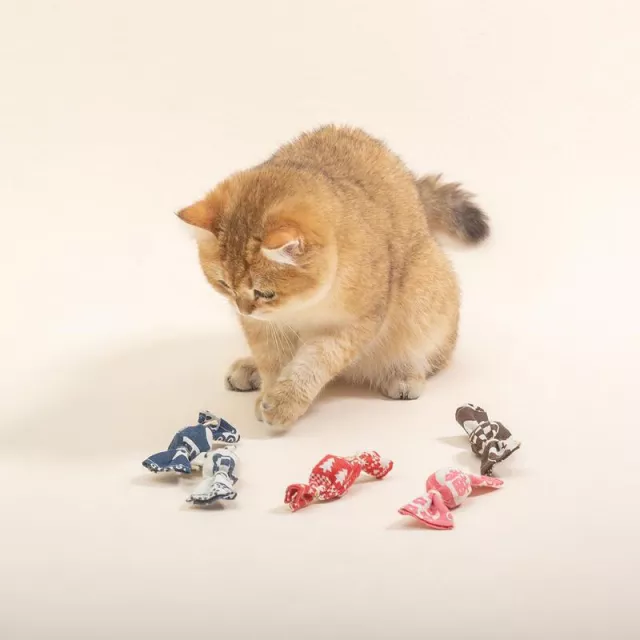















Leave a comment