


23-in-1 Universal Wrench for Chrysler: Compact Multi-Tool
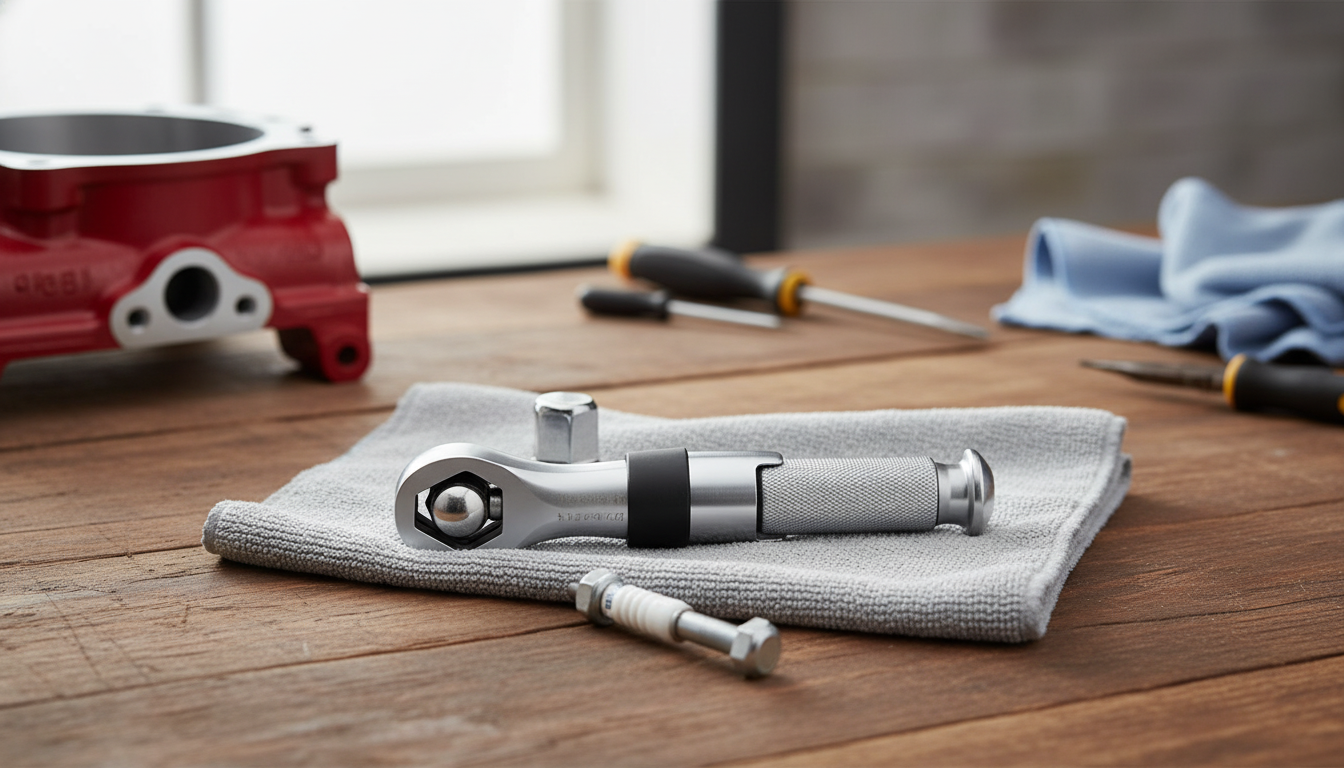
23-in-1 Universal Wrench Set for Chrysler: A Compact Tool for Everyday Fasteners
A compact universal wrench set can make common Chrysler maintenance feel less like a scavenger hunt for the “right size” tool—especially when a job involves a handful of mixed fasteners in tight, awkward spots. A 23-in-1 style wrench is designed to cover a broad spread of everyday nut and bolt sizes, helping with quick adjustments, light repairs, and basic component removal without carrying a full wrench roll.
Below is a practical guide to where a universal wrench helps most on Chrysler vehicles, what it can and can’t replace, and how to use it in a way that minimizes rounded nuts and stripped bolts.
Why a Universal Wrench Set Makes Sense for Chrysler Owners
Chrysler vehicles often bring you into real-world working conditions: shallow clearances, plastic shields, bundled wiring, and brackets that don’t give a ratchet much swing. That’s where a compact “multi-size” wrench can earn its keep.
- Less tool swapping: When a task involves several fastener sizes, a universal wrench can reduce back-and-forth trips to the toolbox.
- Better in cramped areas: It can be helpful around engine-bay brackets, battery trays, and underbody shield edges where a socket and extension don’t line up cleanly.
- Roadside-ready: A compact wrench is easy to stash in the glovebox or trunk for quick fixes and minor adjustments.
- Complements a socket set: Sockets are great when you have straight-on access; a universal wrench can cover “in-between” angles where the ratchet head is too bulky or the swing is limited.
What “23-in-1” Typically Covers (and What It Doesn’t)
Most 23-in-1 universal wrench designs aim to provide broad day-to-day coverage for common hex fasteners. The practical upside is convenience; the tradeoff is that it’s not meant to replace every dedicated tool in a garage.
- What it covers well: Light-to-moderate fastening tasks, adjustments, and component removal where you don’t need extreme torque.
- What it doesn’t replace: A breaker bar for stubborn bolts, a torque wrench for spec-critical reassembly, or a dedicated flare-nut wrench for brake/fuel fittings.
- Not ideal for damaged hardware: If a fastener is already rounded, dedicated 6-point sockets or extractor tools usually grip better.
Where a universal wrench set helps most on common Chrysler tasks
| Task | Typical fastener areas | Why it helps |
|---|---|---|
| Battery replacement/terminal service | Battery terminals, hold-down bracket | Quick switching between sizes and angles in tight corners |
| Air intake and engine cover removal | Clamps, cover bolts, small brackets | Handy access where a socket extension may not align |
| Underbody splash shield or liner checks | Plastic retainers with small bolts, edge fasteners | Fewer trips back to the toolbox for a different size |
| Accessory bracket adjustments | Alternator or belt-related brackets (model-dependent) | Improves reach around hoses and wiring looms |
| Interior seat/trim service | Seat bolts, trim-adjacent fasteners (varies) | Compact head angle can be easier than a bulky ratchet |
Fit and Compatibility Notes for Chrysler Vehicles
Chrysler fasteners can be a mix of metric and SAE depending on model year, component, and whether prior repairs introduced different hardware. A universal wrench is most useful on general components—covers, brackets, clamps, and shields—rather than specialty fittings.
- Expect mixed standards: Don’t assume every nut/bolt is the same measurement system across the entire vehicle.
- Verify before applying force: Confirm the tool seats cleanly on the fastener before leaning into it.
- Stop at the first sign of slip: If it feels loose or starts to cam out, switch to a better-fitting wrench or a 6-point socket to avoid rounding.
When unsure, checking the vehicle documentation for your exact model is a safe starting point. Mopar’s owner resources can help you locate the correct manual and basic service information for many vehicles: Mopar – Owner’s Manuals and Vehicle Resources.
Using It Correctly: Avoiding Rounded Nuts and Stripped Bolts
Universal wrenches are convenient, but technique matters—especially on underbody fasteners exposed to moisture, road salt, and temperature swings.
For general hand-tool safety guidance (grip, condition checks, and proper usage), OSHA’s overview is a solid reference: OSHA – Hand and Power Tools.
What to Keep With a Universal Wrench Set in the Car
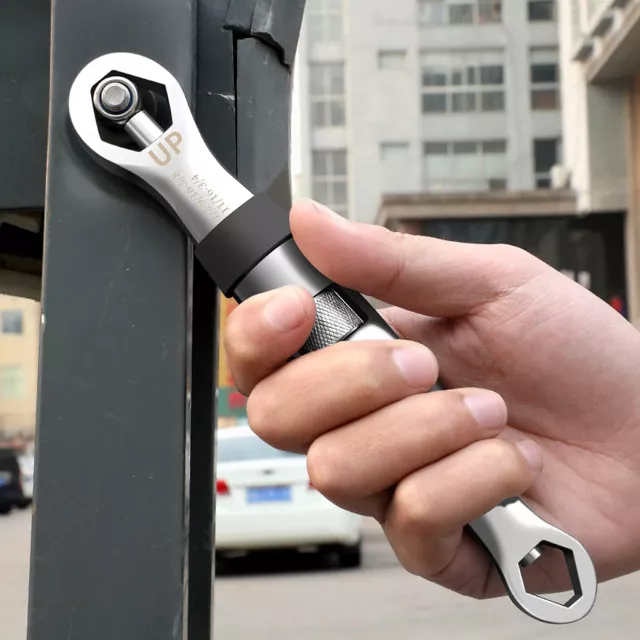
Product Option: 23 in 1 Universal Wrench Set for Chrysler
If the goal is a compact, glovebox-friendly tool that can handle a broad range of everyday fasteners, the 23 in 1 Universal Wrench Set for Chrysler is a practical option. It’s suited for quick maintenance tasks and light repairs where convenience and access matter, and it works best when you take a moment to ensure proper engagement before applying force.
- 13-Color RGB LED Night Light for Kids (handy for soft light during car trips, camping, or finding items without blasting bright overhead lighting)
- Portable Eye Massager (useful after long drives or detailed close-up work)
Care, Storage, and Long-Term Reliability
FAQ
Will a universal wrench set work on most Chrysler models?
It can handle many routine fasteners on a wide range of Chrysler vehicles, but compatibility depends on the model year and component. Always confirm the wrench seats securely, and switch to specialty tools for brake/fuel fittings or other critical hardware.
Can this replace a torque wrench for reassembly?
No. A universal wrench turns fasteners but doesn’t measure clamping force, so it can’t replace a torque wrench where specifications matter, such as wheels and other safety-critical components.
What should be done if a nut starts to round off?
Stop immediately and reassess tool fit before the damage gets worse. Switch to a better-gripping option like a 6-point socket or box-end wrench, use penetrating oil if corrosion is present, and consider extractor sockets if the corners are already compromised.















Leave a comment