


Luxury Spherical Tent Guide: Weather-Resistant Comfort
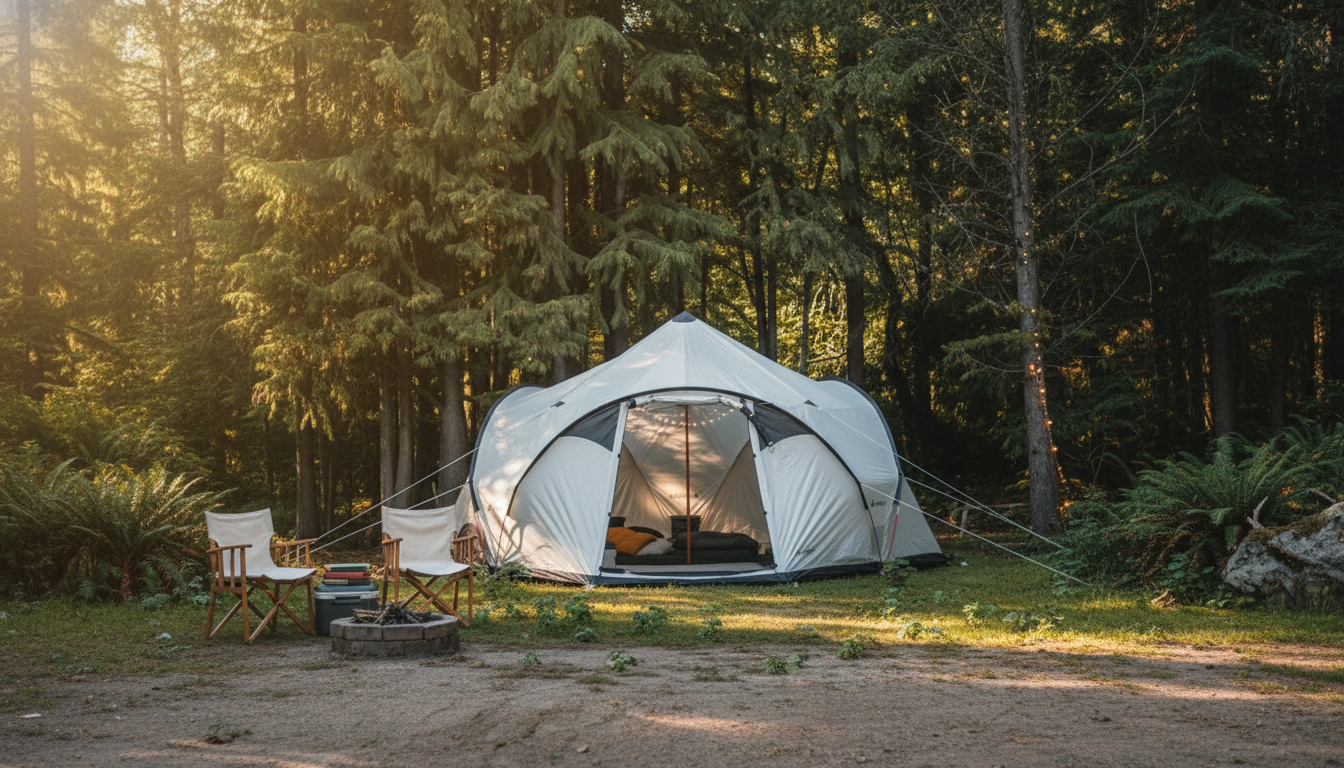
A spherical tent isn’t just a style choice—it’s a structural advantage. The rounded profile helps shed wind and rain, while a luxury build focuses on comfort details that make longer stays feel effortless. Below is a practical guide to how a weather-resistant luxury spherical camping tent behaves in real conditions, what comfort features actually matter, and how to pitch it for a stable, cozy basecamp.
What Makes a Spherical Tent Different
Compared with boxier cabin tents, a spherical (or globe-like) shelter leans into geometry that naturally complements rough weather and comfortable living.
- Rounded geometry can reduce snag points for gusts and help distribute force more evenly than flat walls.
- Dome-like interiors often feel more open, with fewer “dead corners” and better headroom where it counts.
- Glamping-focused versions prioritize livability: larger doors, panoramic panels, and a more home-like layout.
- Best suited for basecamp-style trips, backyard stays, scenic overlooks, and extended weekends where comfort matters.
Weather Resistance, Explained: Rain, Wind, and Condensation
“Weather-resistant” is a system, not one feature. Performance comes from fabric and construction, plus how the tent is pitched and used overnight.
Rain: it’s about runoff and sealing
Rain protection depends on the fabric’s waterproof rating, seam sealing quality, and how the outer shell directs runoff away from doors, vents, and zippers. Even premium materials can be compromised by a poor pitch—especially if water flows toward the entry or pools under the floor.
Wind: structure plus anchoring
Wind stability comes from the pole structure (or frame), the low/rounded profile, and strong anchoring. Guylines matter as much as stakes: the best tent can still shudder and deform if guy points aren’t used or if lines are slack.
Ground moisture: control what’s underneath
Ground moisture control relies on a durable floor, bathtub-style edges, and smart site choice. Avoid depressions and obvious drainage channels. If the weather is questionable, choose durable, higher ground and follow local guidelines for low-impact camping (see Leave No Trace: Camp and Travel on Durable Surfaces).
Condensation: manage humidity, don’t fight physics
Condensation management is a balance of ventilation points, interior spacing, and humidity control. Wet jackets, damp shoes, and cooking inside quickly raise moisture levels. Cold, damp nights feel warmer when airflow is balanced—enough to vent moisture without creating drafts at sleeping height.
| Condition | What to set up | What to avoid |
|---|---|---|
| Heavy rain | Pitch on slight high point; tighten fly; confirm seams and zippers are covered | Setting up in a depression; leaving door-facing downslope |
| Strong wind | Use all guy points; stake at 45°; align lowest profile toward prevailing wind | Loose guylines; partial staking; open panels facing wind |
| Humid nights | Open high vents; keep wet gear outside sleeping area; maintain airflow path | Sealing everything shut; drying clothes inside without venting |
| Hot sun | Use shade when possible; vent early; manage interior heat with cross-breeze | Midday setup in full sun with vents closed |
For trip planning and sudden storm awareness, check official forecasts and safety guidance from the NOAA National Weather Service.
Luxury Comfort Features That Matter at Camp
Luxury is less about flashy add-ons and more about how the tent supports restful routines—changing, organizing, sleeping well, and staying calm when weather traps everyone inside.
Small comfort items can make a luxury tent feel even more “settled.” A soft, low-glare light like the 13-Color RGB LED Night Light for Kids helps with midnight zipper runs without blasting the whole interior. After a long drive or a wind-heavy night, the Portable Eye Massager is an easy add-on for unwinding before sleep.
Choosing the Right Size and Layout for Your Trips
Setup for Stability: Getting the Best Pitch in Real Weather
If any heat source is used near the tent, prioritize ventilation and safety. Carbon monoxide is a serious hazard; follow the CDC guidance on preventing carbon monoxide poisoning and never run combustion appliances in enclosed spaces.
Care and Longevity for Premium Shelter Materials
For day-to-day camp cleanliness (especially when you’re bringing nicer drinkware or bottles), a compact tool like the 3-in-1 Bottle Gap Cleaner Brush helps keep hydration gear fresh without a full kitchen setup.
Product Spotlight: Weather-Resistant Luxury Spherical Camping Tent
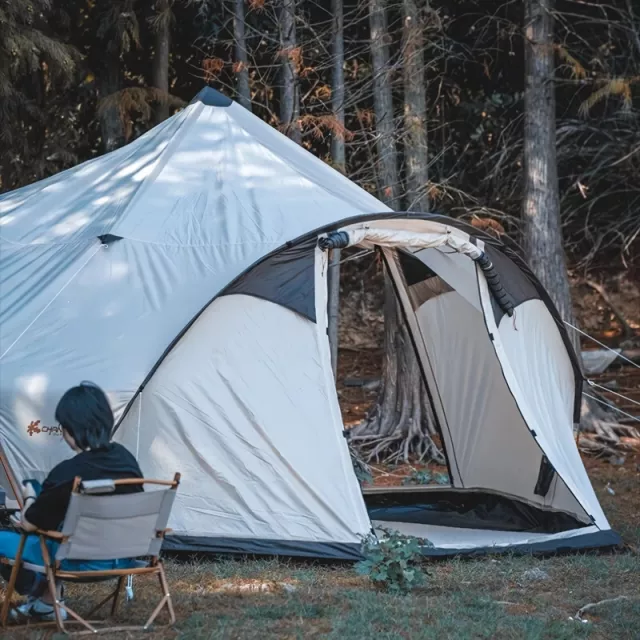
For comfort-forward camping with a distinctive silhouette, the Weather-Resistant Luxury Spherical Camping Tent is built to support basecamp living—roomy, visually striking, and best enjoyed with smart storm-ready pitching habits.
| Item | Details |
|---|---|
| Name | Weather-Resistant Luxury Spherical Camping Tent |
| Price | 1611.99 USD |
| Availability | In stock |
| Category | Patio, Lawn & Garden |
| Product page | https://vespena.com/weather-resistant-luxury-spherical-camping-tent/ |
FAQ
Is a spherical tent good in strong wind?
Rounded shapes can reduce wind loading compared with flat walls, but wind performance still depends on full staking, using every guy point, and orienting the lowest profile into the prevailing wind.
How does a weather-resistant tent handle condensation?
Waterproof materials don’t prevent condensation; ventilation does. Open high vents, keep wet gear out of the sleeping area, and maintain airflow so moisture can escape overnight.
What should be done if heavy rain is expected overnight?
Pitch on slightly higher ground, tighten the outer shell and guylines, and double-check runoff paths around the door. After 10–20 minutes, re-tension lines as fabric relaxes, and keep essentials in a dedicated dry zone.













Leave a comment