


Smart Eating Made Simple: Sustainable Nutrition Habits
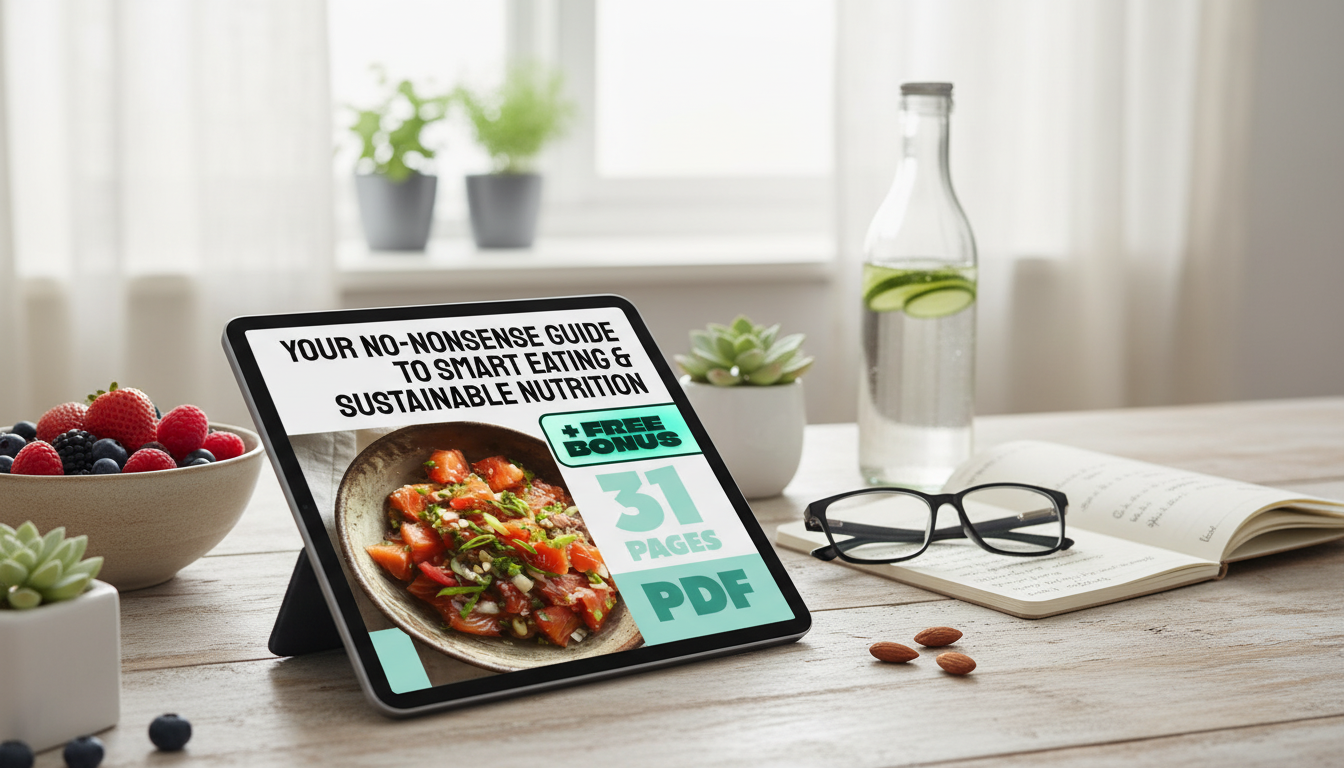
Smart Eating and Sustainable Nutrition—Without the Drama
Smart eating doesn’t have to look like strict meal rules, trendy eliminations, or tracking every bite. The most effective approach for real life is the one that’s repeatable: meals that keep you full, grocery habits that fit your budget, and routines that support steady energy, digestion, and long-term health—without burning you out.
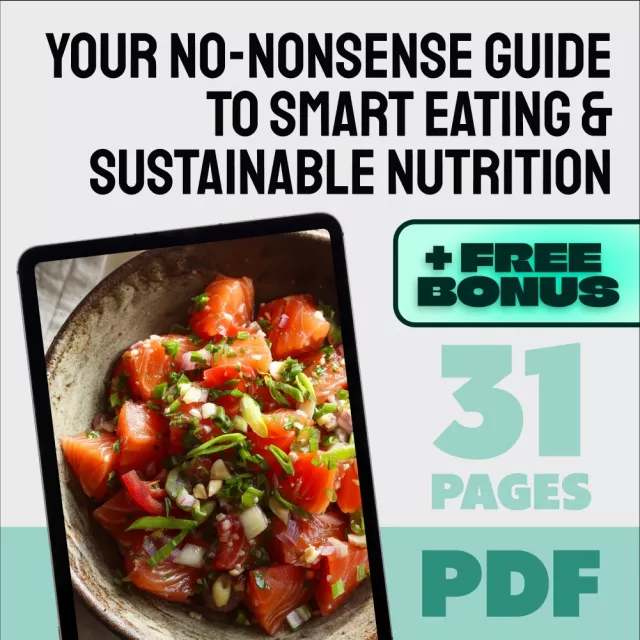
If you want a practical, habit-first resource you can revisit whenever your schedule changes, Your No-Nonsense Guide to Smart Eating & Sustainable Nutrition (Digital eBook) is built around flexible meal templates, waste-reducing strategies, and simple upgrades that actually stick.
For foundational nutrition guidance, the Dietary Guidelines for Americans (2020–2025) and the World Health Organization’s healthy diet guidance reinforce the same big themes: prioritize nutrient-dense foods, emphasize fruits/vegetables and whole grains, and limit excess added sugars and highly processed options.
What “smart eating” looks like in everyday life
Smart eating is less about “being perfect” and more about building a default routine that works on both calm weeks and chaotic ones.
- Consistency over perfection: repeatable meals, flexible portions, and simple routines that survive busy weeks.
- Meals that keep you satisfied: combining protein + fiber + healthy fats helps curb constant snacking and energy crashes.
- Small, high-impact upgrades: add vegetables, swap refined grains for whole grains, and choose water-first hydration.
- Enjoyment and culture matter: sustainable nutrition is more likely to last when favorite foods stay on the menu.
- Better outcomes to track: energy, sleep quality, hunger cues, digestion, and mood—not just the scale.
A simple framework for balanced meals (without strict rules)
A balanced meal doesn’t need complicated math. Use a few anchors, adjust portions to your hunger and activity, and keep the structure consistent.
1) Start with a protein anchor
Protein supports satiety and helps meals feel “complete.” Choose what fits your preferences and budget: eggs, Greek yogurt, beans/lentils, tofu/tempeh, fish, poultry, or lean meats.
2) Add plants for volume and micronutrients
Aim for 1–2 colors per meal. Fresh, frozen, and canned all count—especially when you’re trying to reduce waste or keep costs predictable.
3) Choose smart carbs for steady energy
Oats, brown rice, quinoa, potatoes, whole-grain bread/pasta, and fruit tend to offer more fiber and longer-lasting energy. Portion based on your day (more active days may need more).
4) Include healthy fats
Olive oil, avocado, nuts/seeds, and fatty fish support satisfaction and help your body absorb fat-soluble vitamins.
5) Use hunger and fullness checks
Pause mid-meal, notice whether you’re still hungry, and aim to stop when you’re comfortably full—not stuffed.
Balanced Plate Builder (quick reference)
| Meal goal | Build it with | Easy examples |
|---|---|---|
| Steady energy | Protein + fiber-rich carb + fruit/veg | Oats + yogurt + berries; rice + beans + salsa + greens |
| More satiety | Protein + veg + healthy fat | Egg scramble + spinach + avocado; tofu stir-fry + sesame oil |
| Budget-friendly | Canned/frozen staples + simple seasonings | Canned tuna + frozen veg + pasta; lentil soup + whole-grain toast |
| Low-prep | Assemble, don’t cook | Rotisserie chicken + bagged salad + microwavable grains; cottage cheese + fruit + nuts |
Sustainable nutrition that fits real budgets
Sustainability isn’t about specialty ingredients. It’s about using what you buy, wasting less, and building a grocery routine that doesn’t punish your schedule—or your wallet.
- Plan around versatile ingredients: a short staples list (eggs, oats, beans, frozen vegetables, rice, canned fish) supports many meals.
- Cook once, eat twice: batch a base (grain, protein, roasted vegetables) and remix with sauces and seasonings.
- Use frozen and canned strategically: often cheaper, longer shelf life, and reduces food waste; rinse canned beans/veg when needed.
- Choose seasonal produce: typically lower cost and better flavor; use frozen options off-season.
- Right-size portions: store leftovers promptly and label containers so food doesn’t get forgotten.
A small home habit that supports both health and sustainability is making hydration easy. If you use reusable bottles and straws, keeping them clean helps you reach for water more often; a simple tool like the 3-in-1 Bottle Gap Cleaner Brush can make that routine faster and less annoying.
Smart eating habits that help results last
Lasting results come from routines that reduce decision fatigue. These habits work because they’re simple enough to repeat.
Stress and screen-heavy days can also drive cravings and mindless snacking. Building a short “reset routine” (water + protein-based snack + 5-minute pause) can help. For a quick decompression break during workdays, the Portable Eye Massager can pair nicely with a calmer, more intentional eating routine.
What’s included in the digital guide
Your No-Nonsense Guide to Smart Eating & Sustainable Nutrition (Digital eBook) focuses on practical nutrition you can apply immediately:
Who this guide is best for
FAQ
Is this guide suitable for beginners who don’t want to count calories?
Yes. It focuses on building balanced meals, using satiety cues, and repeating simple meal templates, so you can adjust portions without strict tracking or rigid rules.
Does sustainable nutrition mean eating expensive specialty foods?
No. Budget-friendly sustainability can look like buying seasonal produce, leaning on frozen vegetables and canned beans, and using leftovers for “cook once, eat twice” meals to reduce waste and stretch groceries.
How fast can changes in energy and cravings happen with smarter meals?
Some people notice improvements within days—especially from protein at breakfast and better hydration—but the most reliable changes build over a few weeks as consistent habits reduce energy swings and impulsive snacking.















Leave a comment