


Cozy Plaid Pet Tent Bed: Secure, Warm Naps for Pets
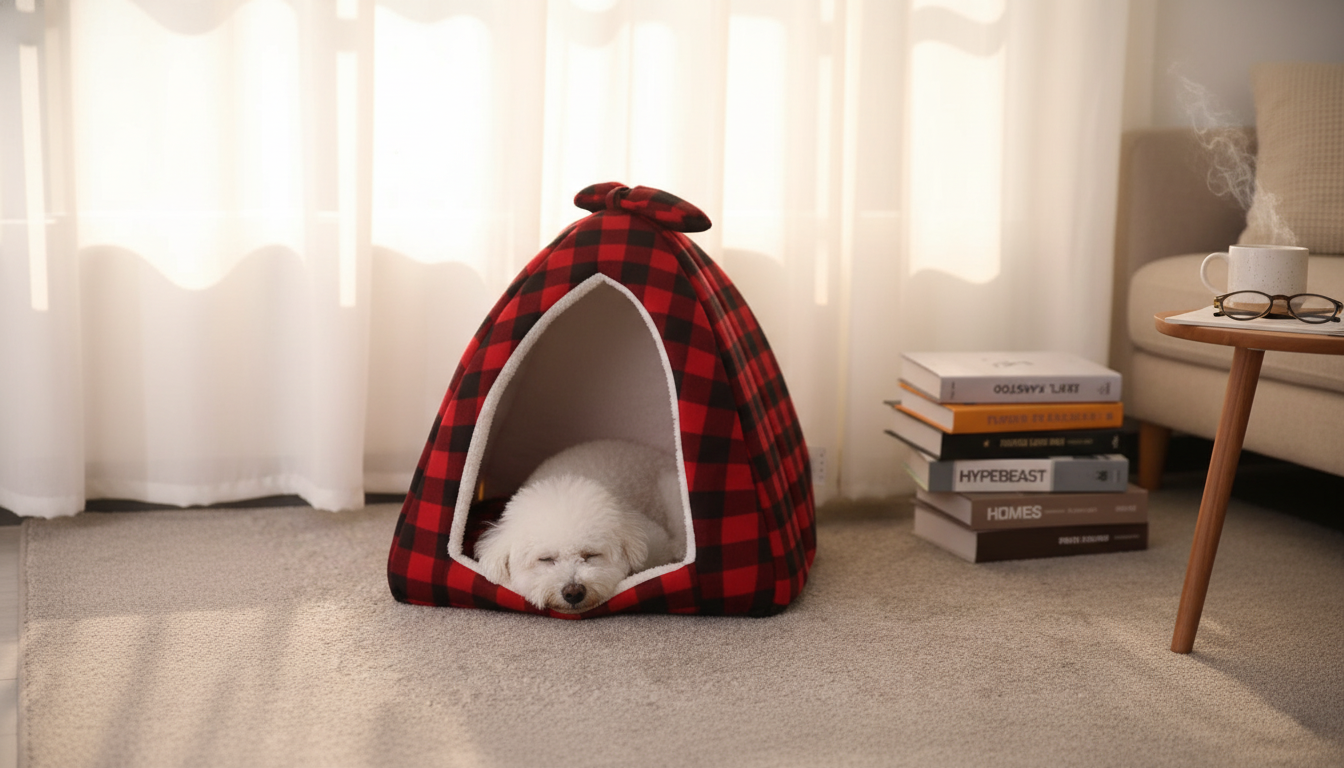
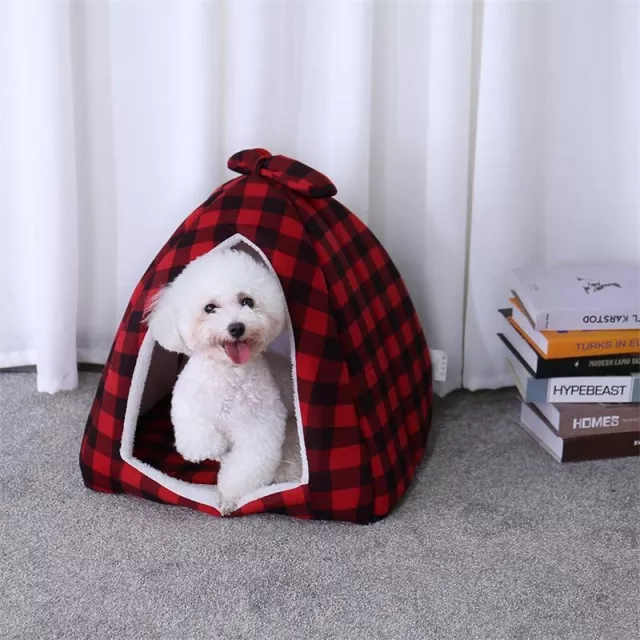
Cozy Plaid Pet Tent Bed: A Warm Hideaway for Cats and Small Dogs
Some pets relax best with a little privacy. A tent-style bed creates a sheltered nook that helps many cats and small dogs settle faster, nap longer, and feel protected from household bustle. The Cozy Plaid Pet Tent Bed pairs a covered silhouette with a soft sleeping surface, making it a simple upgrade for pets that love burrowing, denning, or curling up in enclosed spaces.
Why a tent-style bed can feel more secure
A covered bed changes how a room “feels” to a pet. Instead of resting out in the open—where movement, footsteps, and shifting light can keep them alert—a tent creates a small, predictable environment.
- Covered design can reduce visual distractions and create a calmer resting spot for pets that startle easily.
- Den-like spaces often appeal to cats and small dogs that naturally seek enclosed areas (under chairs, inside boxes, behind pillows).
- A dedicated hideaway can help households with multiple pets by giving one animal a consistent retreat.
- Works well for nap-heavy routines: midday sunbeams, quiet corners, and bedtime near a preferred person.
For more general behavior and comfort guidance, reputable references like the ASPCA’s cat care resources and the AVMA’s pet behavior information can be helpful for building a calmer home routine.
What makes the Cozy Plaid Pet Tent Bed comfortable
Comfort is more than softness—it’s also about temperature, positioning, and the feeling of being “held” by the space. A tent bed supports common cozy behaviors like curling, tucking paws, and nestling into a protected corner.
- Soft, cushioned interior supports curling and tucking paws, which many pets do to conserve warmth.
- Plaid exterior adds a cozy, homey look that blends into living rooms and bedrooms without looking like a bulky crate.
- Enclosed top helps retain warmth while still leaving an easy front opening for entry and exit.
- A tent bed can be especially soothing for pets that like “blanket caves” but get tangled in loose throws.
Choosing the right size and shape for your pet
The goal is a space that feels snug without feeling confining. Too small can make turning around awkward; too large can reduce the “den” effect that makes tent beds appealing in the first place.
- Measure your pet from nose to base of tail, then add a little extra length so turning around inside feels easy.
- Watch sleeping style: curlers usually prefer snug spaces; stretchers may need a larger footprint or may prefer an open bed.
- Consider weight and body height: the opening should be tall enough that your pet doesn’t crouch uncomfortably to enter.
- If your pet is between sizes, choose the option that allows comfortable turning and a relaxed spine rather than a tight squeeze.
Where to place it for faster, stress-free use
Placement can make the difference between “ignored” and “favorite spot.” Start by working with the locations your pet already trusts.
- Start in a quiet, low-traffic area where your pet already rests (corner of a bedroom, beside a sofa, near a cat tree).
- Avoid placing it right next to loud appliances or drafty doors; steady temperature and predictable noise help pets settle.
- For cats, positioning near a wall can increase the sense of security by reducing “open sides.”
- If the pet is hesitant, place a familiar item inside (a worn T-shirt or a small blanket with their scent) to encourage exploration.
If you use a crate as part of your routine, general comfort principles overlap—quiet location, consistency, and positive association. The American Kennel Club’s crate training tips include helpful ideas for making a resting space feel safe and rewarding.
Getting a pet to actually use a tent bed
Some pets climb in immediately; others need a low-pressure introduction. The key is letting curiosity do the work.
Care, cleaning, and keeping it fresh
Safety and suitability notes
Quick comparison: tent beds vs other common pet beds
| Bed type | Best for | Potential drawback | Good household fit |
|---|---|---|---|
| Tent-style bed | Pets that like hiding, denning, or warmth | May feel too enclosed for pets that sprawl | Apartments, busy homes, multi-pet spaces needing a retreat |
| Open donut/cuddle bed | Curlers that want bolster support without a roof | Less visual privacy than a tent | Living rooms, shared spaces, pets that like to watch activity |
| Flat mat/crate pad | Crate routines or pets that prefer firm, open surfaces | Minimal coziness and insulation | Crates, travel setups, minimalist homes |
A cozy upgrade that fits everyday life
Helpful add-ons from the shop
- Cozy Plaid Pet Tent Bed — the covered, plaid hideaway designed for warm, tucked-in naps.
- 13-Color RGB LED Night Light for Kids — a gentle light option for rooms where pets prefer a soft glow at night.
- Portable Eye Massager — a comfort-focused pick for people who want to unwind during the same quiet-time routine as their pets.
FAQ
Is a tent bed better for cats or dogs?
It can work well for both, especially for pets that naturally seek enclosed, den-like spaces to rest. The best fit depends on whether your pet relaxes in covered spots and can enter and exit the opening comfortably.
How do you get a pet to use a new tent bed?
Set it in a familiar, calm spot and let your pet explore without pressure. Toss a few treats near the entrance and place a familiar-scent item inside to make the space feel safe and worth investigating.
Where should a tent bed be placed in the home?
A quiet, low-traffic corner away from drafts and noisy appliances usually works best. For many cats, positioning the bed near a wall adds extra security by reducing “open sides.”












Leave a comment