


Brine Shrimp Hatchery Kit Guide: Hatch Clean Nauplii
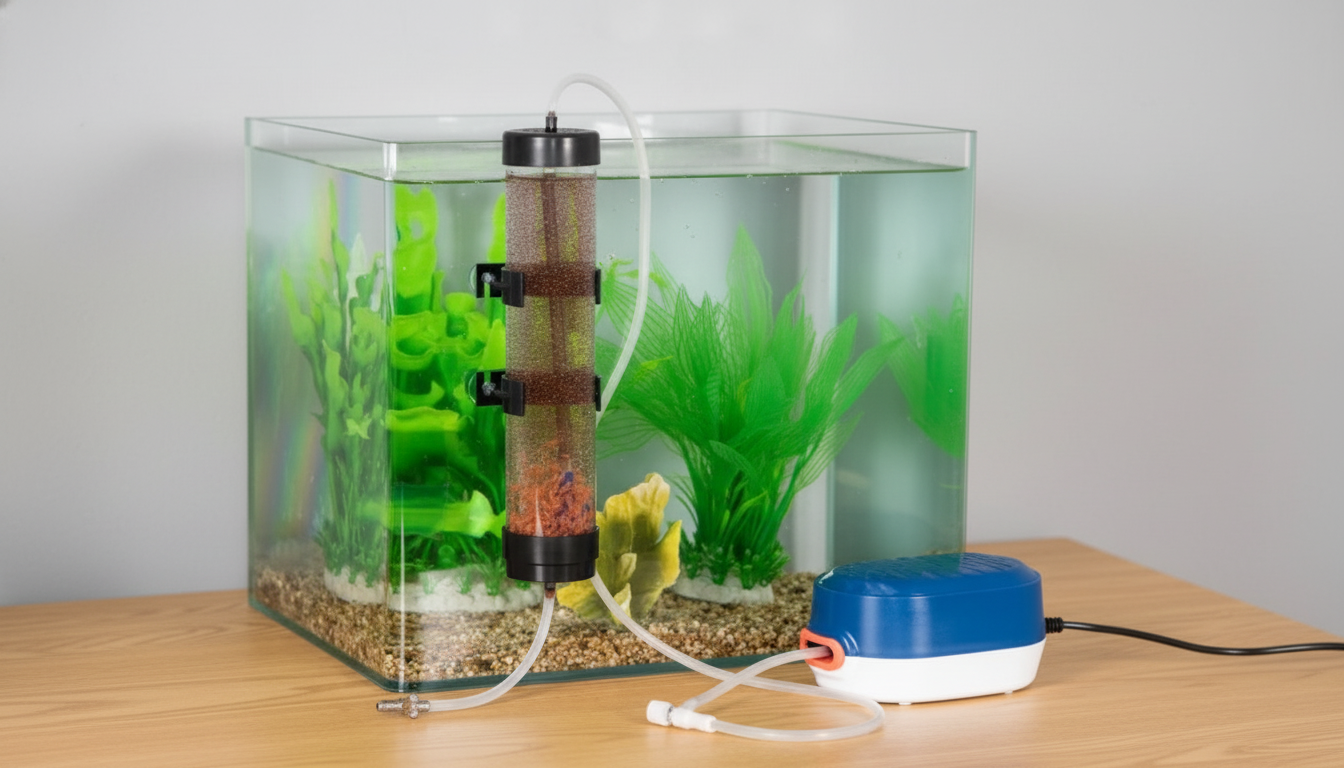
Brine Shrimp Hatchery Kit: Reliable Live Food for Fry and Reef Fish
Freshly hatched brine shrimp (nauplii) are a simple way to boost feeding response, growth, and color in many aquarium fish and invertebrates. A dedicated hatchery setup keeps the process cleaner and more consistent than improvised bottles, making it easier to hatch small batches on a predictable schedule.
Why hatch brine shrimp at home
Live foods can change how fish behave at feeding time. When nauplii hit the water column, even hesitant fish often snap into “hunt mode,” which is especially helpful during delicate stages like first feeds.
- Delivers highly palatable live food that triggers feeding in picky eaters and newly free-swimming fry.
- Allows control over freshness; nauplii are most nutritious soon after hatch and before heavy feeding.
- Reduces reliance on frozen foods and helps portion exactly what the tank needs.
- Supports routine feeding for community tanks, breeding projects, and reef systems.
What a hatchery kit helps with
A purpose-built hatchery is about consistency: stable water volume, dependable aeration, and a harvest method that keeps shells and debris out of your aquarium.
- Stable hatching environment: consistent aeration and water volume for repeatable results.
- Cleaner harvest: easier separation of nauplii from shells and unhatched cysts with less mess in the aquarium.
- Simpler workflow: quick setup for daily or every-other-day cycles without re-engineering the process.
- Better observation: makes it easier to spot issues like poor aeration, temperature swings, or low-quality eggs.
How to use a brine shrimp hatchery kit
A small-batch routine is usually easier to maintain than trying to hatch huge volumes. The goal is to keep eggs circulating, maintain stable warmth, and harvest clean nauplii quickly.
- Mix saltwater: use dechlorinated water and marine salt; aim for typical hatching salinity (see the parameter table).
- Add cysts: start small; a little goes a long way and overloading can reduce hatch rates.
- Aerate strongly: use an air pump and airline tubing; keep cysts in suspension with vigorous bubbling.
- Maintain temperature and light: stable warmth speeds hatching; moderate light helps many setups.
- Wait for hatch: most batches hatch within about a day depending on temperature and egg quality.
- Harvest nauplii: stop aeration briefly so shells rise and nauplii concentrate; draw from the nauplii-rich zone.
- Rinse before feeding: strain nauplii through a fine brine shrimp sieve and rinse with clean saltwater or dechlorinated water.
- Feed promptly: offer small amounts; remove uneaten food to protect water quality.
Hatching parameters that most often affect success
Most “brine shrimp won’t hatch” problems come down to one of four variables: temperature, salinity, aeration, or egg quality. Tightening up those basics typically brings hatch rates back quickly.
- Temperature drives speed: warmer water generally hatches faster; avoid large swings.
- Salinity matters: too low or too high can reduce hatch rates; measure with a refractometer or hydrometer if possible.
- Aeration should be vigorous but not foamy: keep eggs moving to prevent dead zones and bacterial buildup.
- Egg quality varies: older or poorly stored cysts hatch less; store airtight in a cool, dry place.
- Clean equipment improves consistency: rinse between batches to limit biofilm and odors.
Common brine shrimp hatching targets
| Setting | Typical target | Practical tip |
|---|---|---|
| Temperature | 25–28°C (77–82°F) | Use a stable room, aquarium heater nearby, or a warm cabinet area |
| Salinity | 25–35 ppt (SG ~1.018–1.026) | Mix thoroughly; measure if hatches are inconsistent |
| Aeration | Strong bubbling, eggs kept suspended | Avoid an airstone if it creates fine foam; open airline often works well |
| Hatch time | ~18–36 hours | Plan harvest when most nauplii are actively swimming |
| Harvest method | Let shells float, collect nauplii from below | Use a light source to attract nauplii to one side before siphoning |
Feeding and storage tips for better tank results
Once you’re hatching reliably, the biggest wins come from how you feed. Clean nauplii and small, frequent portions help both fry survival and adult fish conditioning.
- Feed small portions multiple times: reduces waste and improves survival for tiny fry.
- Rinse to limit salt creep and debris: especially important for freshwater tanks.
- Use freshly hatched nauplii when possible: nutritional value declines as they burn yolk reserves.
- Short-term holding: if needed, keep harvested nauplii cool and aerated for a brief period, then rinse again before feeding.
- Match prey size to fish: very small fry may need smaller live foods (infusoria/rotifers) before brine shrimp.
For deeper background on live feeds in aquaculture systems, the FAO’s resources on Artemia are a solid reference, and practical hatchery guidance is also covered across many UF/IFAS Extension publications: https://www.fao.org/fishery/ and https://edis.ifas.ufl.edu/.
Troubleshooting common problems
Small adjustments usually fix most issues within one or two runs. Change one variable at a time so you can tell what actually improved the hatch.
Brine Shrimp Hatchery Kit overview
Recommended in-stock items
- Brine Shrimp Hatchery Kit (great for consistent small-batch hatches)
- 3-in-1 Bottle Gap Cleaner Brush (handy for rinsing and scrubbing narrow hatchery parts between cycles)
- 13-Color RGB LED Night Light for Kids (can act as a simple light source near the hatchery and helps when using light to gather nauplii for harvest)
FAQ
How long do brine shrimp take to hatch?
Most batches hatch in about 18–36 hours. Temperature has the biggest effect on speed, while strong aeration, correct salinity, and fresh cysts have the biggest effect on hatch rate.
Do brine shrimp need light to hatch?
They often hatch without dedicated lighting, but moderate light can help many setups stay consistent. Light is also useful during harvest because nauplii tend to swim toward it, making separation from shells easier.
Can freshly hatched brine shrimp be fed to freshwater fish?
Yes—strain and rinse the nauplii to remove salty hatch water, then feed small portions so leftovers don’t foul the tank. Watch water quality, especially in small fry tanks where waste builds quickly.
















Leave a comment