


Pet Grooming Hammock Guide: Calm, Safe Nail Trims
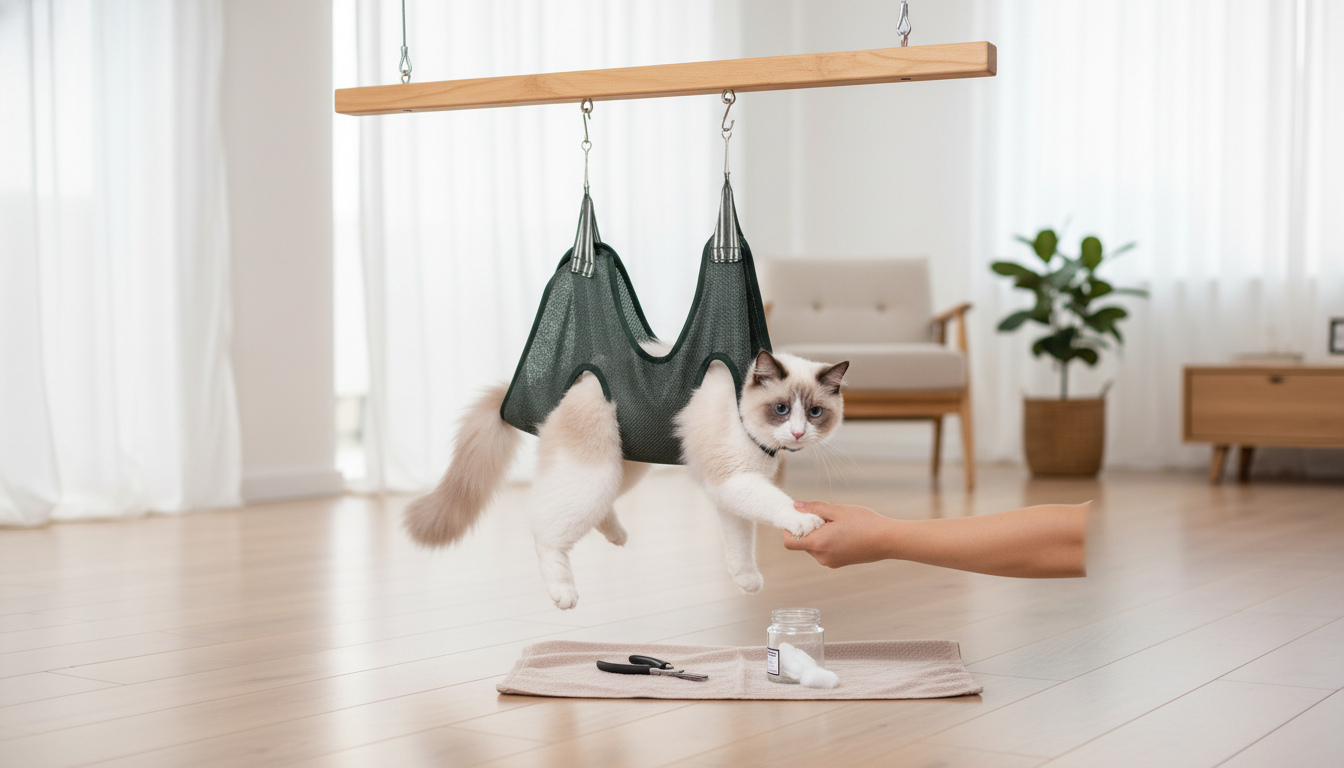
Pet Grooming Hammock: Safer, Calmer Nail Trims and Paw Care at Home
A pet grooming hammock supports a cat or small dog in a soft, secure cradle while keeping paws steady for nail trimming, paw pad checks, and light grooming. Used correctly, it reduces slipping, sudden twists, and “alligator rolls” that can turn a quick nail clip into a stressful wrestling match. The result is usually a calmer pet, a steadier hand, and fewer accidental nicks. For more guidance, see Timo the Cat Masters the Art of Chilling in a Hammock (VIDEO).
What a Grooming Hammock Does (and When It Helps Most)
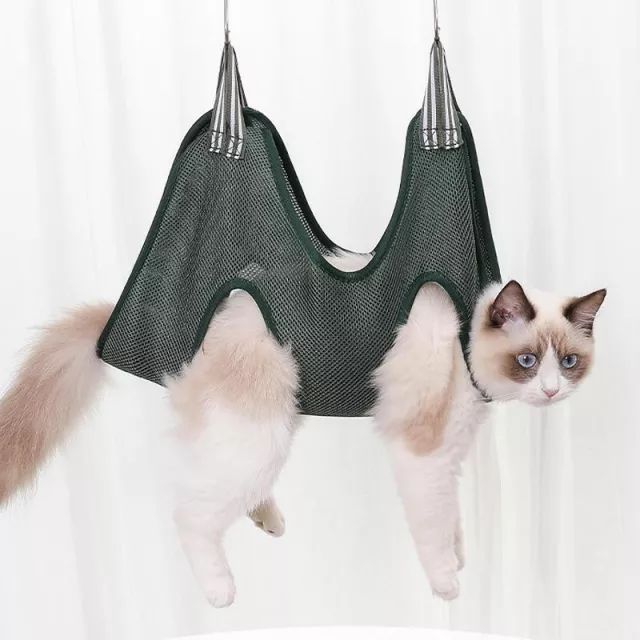
A grooming hammock is essentially a sling that supports the torso while leaving each leg accessible. Instead of pinning a pet down, it gently limits full-body movement so you can work one paw at a time. For further reading, see How to groom your dog at home | Humane World for Animals.
- Creates a comfortable cradle that supports the body while allowing paws to be accessed individually.
- Helpful for nail trims, paw pad hair tidying, checking between toes, and quick skin/coat checks on legs and belly.
- Often most useful for wiggly pets, anxious pets, seniors with limited mobility, and pets that dislike having their feet handled.
- Made for short, calm sessions—not extended “hanging.” Think minutes, not half an hour.
If you’re new to at-home trimming, it can also help you slow down. With fewer sudden jerks, it’s easier to trim small amounts at a time and stay away from the quick (the sensitive, blood-filled part of the nail). For additional nail-trimming guidance, see the AVMA nail trimming tips and the AKC guide to trimming dog nails safely.
Safety First: Comfort, Handling, and Time Limits
The safest grooming hammock setup is supportive—not suspending. Your goal is stability and comfort, with close supervision the entire time.
- Mount securely to a stable point: a sturdy shower rod, a strong closet bar, or a grooming stand rated for your pet’s weight.
- Keep your pet low to the ground so toes can lightly touch a towel or non-slip mat; the hammock should support, not “dangle,” your pet.
- Keep sessions short (often just a few minutes). Take breaks if breathing becomes fast, your pet struggles, or vocalizes.
- Never leave a pet unattended in a hammock. Have clippers/grinder, treats, and styptic powder within reach before lifting.
- Avoid use for pets with breathing issues, recent surgery, spinal pain, or severe anxiety unless your veterinarian says it’s appropriate.
A practical comfort tip: aim for “two calm paws at a time.” If your pet tolerates front paws better than back paws (or vice versa), stop after the easier set and finish later. Splitting the work prevents frustration and makes the next session easier.
Getting the Right Fit: Sizing, Materials, and Hardware
Fit is the difference between “secure and cozy” and “slippery and stressful.” Before you buy, measure around your pet’s chest (girth) and compare it to the size chart. A snug-but-not-tight fit keeps the body centered, while too-large slings can shift and make pets feel unstable.
- Measure chest girth and choose a size that supports without pinching.
- Look for reinforced seams, strong loops, and hardware that closes smoothly and feels solid.
- Choose soft, breathable fabric; a smooth interior helps prevent underarm/thigh friction.
- Wide leg openings improve access without pulling joints into awkward angles.
- For long-haired pets, pick a fabric that resists snagging and is easy to clean.
Quick Fit Check Before Trimming
| Checkpoint | What to look for | Adjust if needed |
|---|---|---|
| Chest support | Body is supported evenly without pressure points | Reposition the sling higher/lower; ensure fabric lies flat |
| Leg openings | No pinching at armpits/groin; paws accessible | Try a different size or loosen positioning; stop if rubbing occurs |
| Height | Pet can lightly touch a mat/towel with toes | Lower the bar/rod or shorten straps |
| Behavior | Calm breathing; minimal twisting | Pause, offer treats, try shorter sessions |
Step-by-Step: Calm Nail Trimming With a Hammock
A smooth session depends on preparation and pacing. Set everything up first, then bring your pet to the station.
Common Problems and Simple Fixes
Care and Maintenance
Product Picks for a Low-Stress Grooming Setup
- Pet Grooming Hammock — designed to support small pets and keep paws accessible for trimming and quick checks when sized and mounted correctly.
- 13-Color RGB LED Night Light for Kids — a gentle lighting option that can help you avoid harsh shadows while keeping the grooming area calm and consistent.
- 3-in-1 Bottle Gap Cleaner Brush — useful for cleaning narrow grooves and small crevices on grooming accessories or around storage containers where nail dust can collect.
FAQ
Is a grooming hammock safe for cats and small dogs?
Yes, when it’s correctly sized, mounted securely, kept low so paws can touch a surface, and used only for short, supervised sessions. Avoid using one for pets with certain health concerns unless your veterinarian approves.
How long can a pet stay in a grooming hammock?
Keep sessions brief—typically just a few minutes—then offer a break. If your pet shows stress (struggling, vocalizing, heavy breathing), stop and try again later with shorter sessions.
What if my pet panics in the hammock?
End the session right away and lower your pet safely to the floor. Restart another day with short practice lifts, high-value treats, and no trimming until your pet is comfortable with the setup.















Leave a comment