


Pet Travel Carrier Bag: Calm, Secure Trips Made Easy
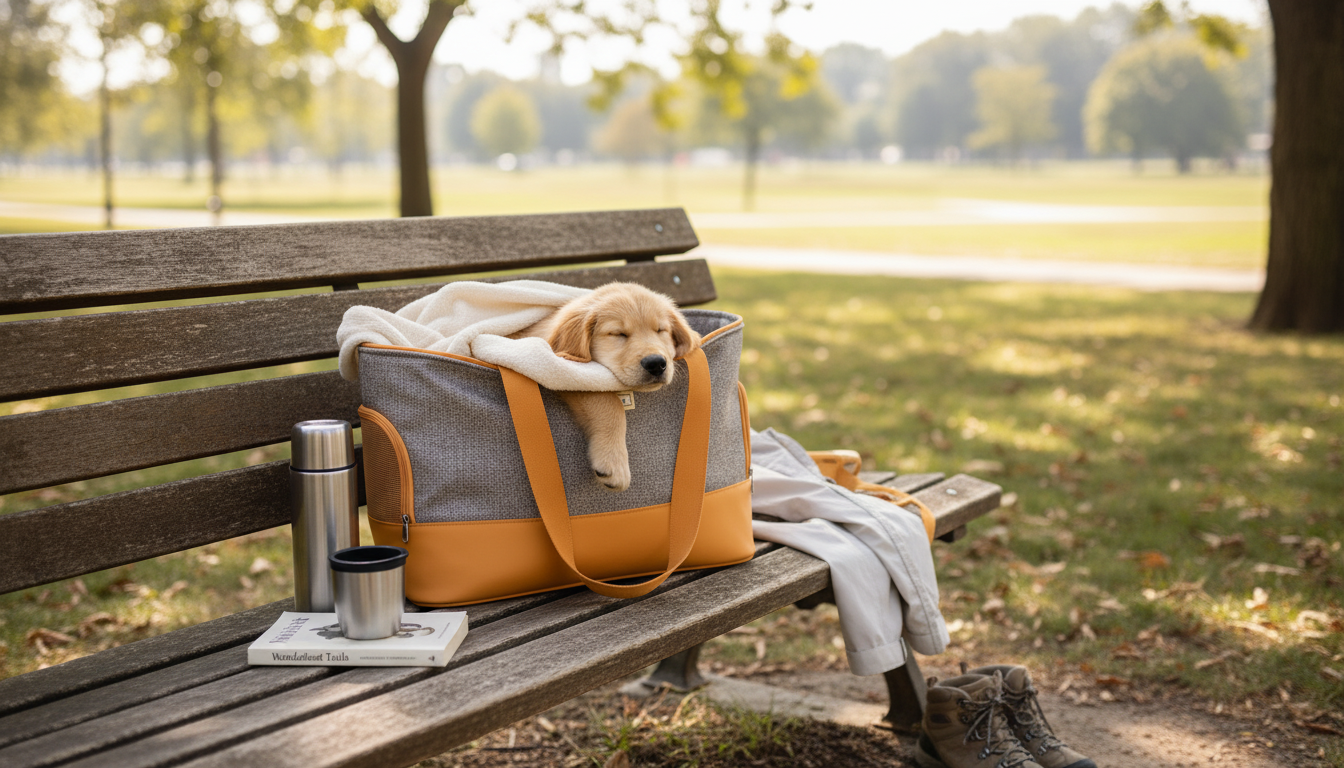
Pet Travel Carrier Bag for Calm, Comfortable Trips
A reliable carrier bag helps pets feel secure while keeping travel simple for owners. The best options balance breathable panels, sturdy structure, easy access, and comfortable carry straps—whether the trip is a quick vet visit, a car ride, or an airline journey.
What a good carrier bag should do
A carrier isn’t just a “bag with handles.” For calm trips and safer handling, look for designs that support your pet’s body, limit sudden shifts, and keep entrances securely closed.
- Support safe, stable positioning so a pet can sit, stand, and turn around without the sides collapsing when the bag is lifted.
- Provide airflow through mesh panels while still offering partial coverage to reduce overstimulation in busy places.
- Offer secure closures (zippers, buckles, or locking features) to prevent escapes in parking lots, lobbies, or terminals.
- Keep travel tidy with a removable, wipeable base and materials that handle fur, dander, and minor accidents.
- Reduce strain for the handler with padded straps, balanced weight distribution, and easy-lift handles.
Size, weight limits, and comfort fit
Comfort starts with fit. A carrier that’s too small can force crouching, while one that’s too large may slide around and feel insecure—especially for nervous cats and small dogs.
- Measure pet length (nose to base of tail) and height (floor to top of shoulders) so the carrier doesn’t require crouching for extended periods.
- Aim for a fit that allows turning around; overly large carriers can shift during movement and feel less den-like.
- Check the carrier’s maximum load rating and include the weight of add-ons (blanket, travel bowl, cooling pad).
- For anxious pets, a slightly snug-but-not-tight fit can feel secure; adding a familiar towel or worn shirt can help settle them.
Quick fit checklist before travel
| Check | What to look for | Why it matters |
|---|---|---|
| Standing height | Pet can stand without pressing the top | Reduces stress and overheating |
| Turning space | Pet can rotate fully inside | Prevents stiffness on longer trips |
| Base support | Firm bottom with minimal sag | Helps joints and improves stability |
| Ventilation | Mesh panels not blocked by blankets | Maintains airflow and comfort |
| Closure security | Zippers align and don’t gap | Avoids escapes in crowded places |
Features that make travel easier
Small design details can make the difference between a carrier you tolerate and one you actually want to use repeatedly.
- Ventilated mesh: improves airflow and visibility while still giving your pet a “settling” space.
- Multiple entry points: top and side access simplifies loading—especially helpful for cats, seniors, or pets that dislike being guided head-first.
- Reinforced seams and frame: helps the bag hold its shape when lifted and prevents buckling when your pet shifts weight.
- Comfortable carry options: padded shoulder strap, sturdy hand carry, and balanced attachment points to reduce swinging.
- Storage pockets: handy for treats, a leash, waste bags, vaccination records, or a compact water bowl.
Using a carrier bag for car, train, and air travel
Different trips create different stress points. Planning the “where it sits” and “how it stays stable” matters as much as the carrier itself.
Car travel
- Place the carrier on a flat surface and secure it with a seat belt when possible.
- Avoid front seats with airbags; sudden deployment can be dangerous.
- Keep the cabin comfortable and avoid strong air blasts directly on the carrier’s mesh panels.
Public transit (train, subway, rideshare)
Air travel
- Confirm the airline’s under-seat size limits, ventilation rules, closure requirements, and documentation well before your travel date.
- Pick a carrier designed to stay structured while fitting in low-clearance spaces, so your pet isn’t pressed down once stowed.
- Plan for screening: the TSA typically requires pets to be removed from their carriers during checkpoint screening while the carrier goes through the X-ray. Review current guidance ahead of time via TSA — Traveling with pets.
For broader travel prep—especially when crossing state lines or traveling internationally—review official recommendations such as USDA APHIS — Traveling with your pet and the IATA — Live animals and pet travel guidance page for transport considerations.
Temperature planning and calming routines
Care, cleaning, and long-term durability
Product spotlight: Pet Travel Carrier Bag
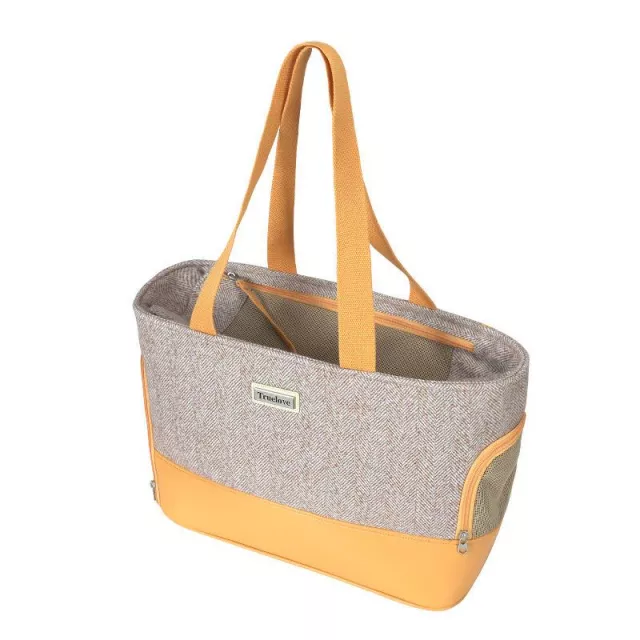
If you’re looking for an everyday carrier that prioritizes secure closure and breathable comfort, the Pet Travel Carrier Bag is built for common routines like vet visits, errands, and longer day trips. Its structured design is intended to help the carrier hold shape during lifting, while ventilated panels support airflow so pets can settle in more naturally.
Other handy travel add-ons (in stock)
- 3-in-1 Bottle Gap Cleaner Brush for cleaning reusable travel bowls, bottles, and tight edges.
- Portable Eye Massager to ease screen and travel fatigue for the handler during longer trips.
- 13-Color RGB LED Night Light for Kids for a gentle, adjustable light in hotels or guest rooms without turning on harsh overheads.
FAQ
Can a pet travel carrier bag be used on an airplane?
Yes for many airlines, but requirements vary by carrier and route. Confirm under-seat dimensions, ventilation rules, closure type, and documentation before booking, then do a trial fit at home to ensure the bag slides under the seat without collapsing onto your pet.
How do you get a cat or small dog comfortable in a carrier bag?
Leave the carrier open at home with familiar bedding inside, reward calm entry with treats, and increase time inside gradually. Short practice carries help reduce resistance and make travel day feel more routine.
What should be packed inside or with the carrier?
Bring an absorbent pad or liner, a small water option, a lightweight blanket, waste bags, treats, a leash or harness, and any required vaccination or health documents. Packing a familiar-smelling towel can also help anxious pets settle faster.















Leave a comment