


How to Choose Truck Floor Liners Right
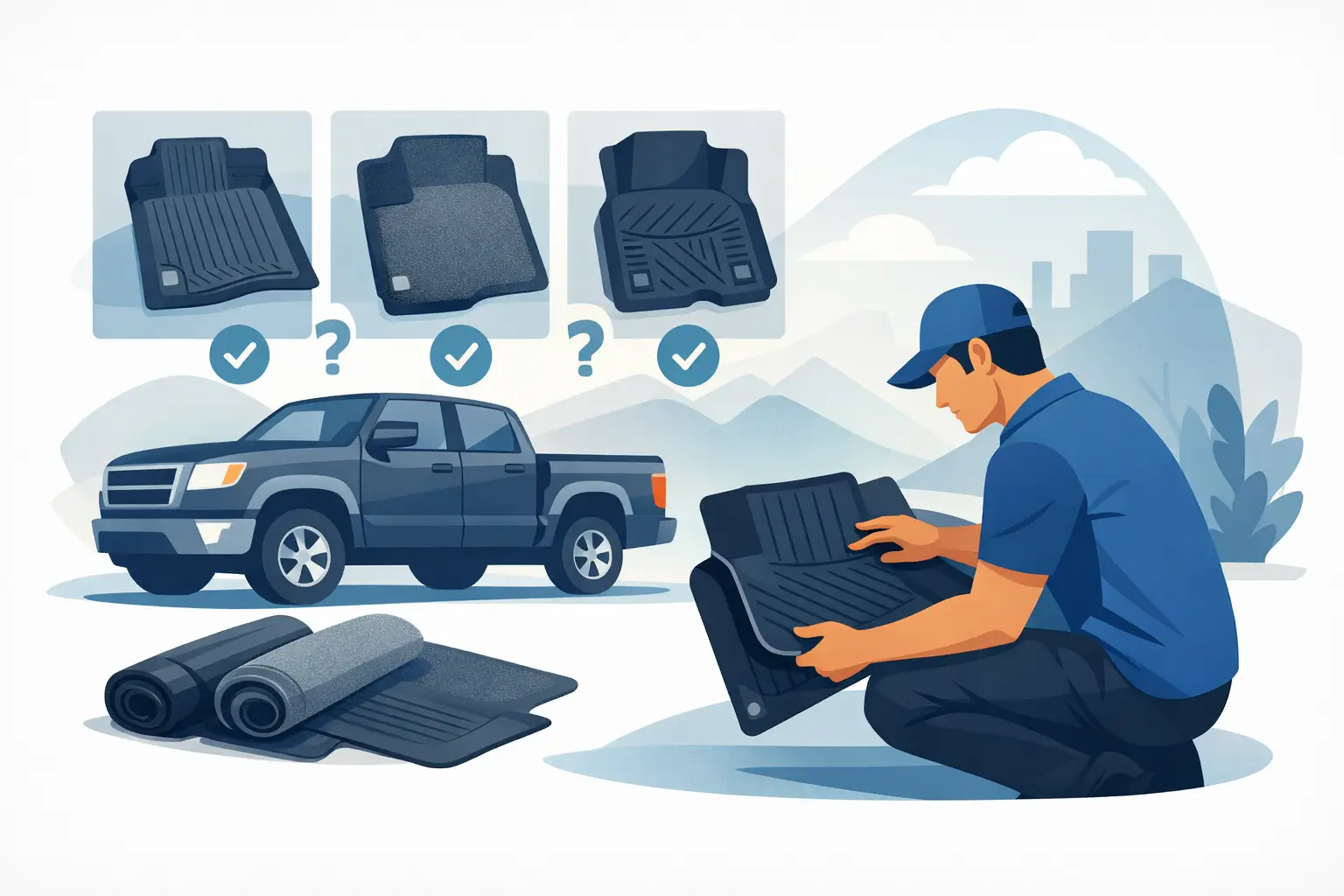
Mud from work boots, fast-food spills, road salt, wet dogs, and gravel from the jobsite can turn a clean truck interior into a mess fast. If you’re figuring out how to choose truck floor liners, the right starting point is simple: match the liner to how you actually use your truck, not just how it looks in a product photo.
Truck floor liners are one of those upgrades that pay off every day. They help protect factory carpeting, make cleanup easier, and can help your cabin hold its value longer. But not every liner is built the same, and the cheapest option is not always the best deal once you factor in fit, durability, and how much coverage you really get.
How to choose truck floor liners for your driving needs
The best truck floor liner for a daily commuter is not always the best one for a work truck, off-road build, or family hauler. Start with your routine. If your truck sees rain, snow, dirt roads, or construction sites, deeper channels and raised edges matter more than a low-profile look. If you mostly want to keep coffee drips and light debris off the carpet, a lighter-duty liner may be enough.
Think about who rides with you, too. Kids and pets usually mean more frequent messes. A truck used for weekend hunting, fishing, or camping needs protection from mud and moisture that ordinary mats may not handle well. If your rear floor gets constant use, don’t treat the front row as the whole job. Good rear coverage can make a bigger difference than many buyers expect.
A smart buy comes down to use case, climate, and cleanup. Once you know those three things, the rest gets easier.
Fit matters more than most shoppers expect
The first major choice is universal fit versus custom fit. Universal liners cost less and can work for basic coverage, but they often leave gaps around the edges or shift around underfoot. For a truck interior, especially one that sees heavy use, that can mean dirt and moisture still reach the carpet.
Custom-fit liners are made around specific truck makes, models, cab styles, and model years. That usually means better edge-to-edge coverage, a cleaner look, and a more secure fit around pedals, seat tracks, and floor contours. If you want stronger protection and less hassle, custom fit is usually the better value.
This is also where buyers make easy mistakes. A liner for a crew cab may not fit an extended cab. Four-wheel-drive floor shapes can differ from two-wheel-drive layouts. Some trucks have under-seat storage, factory retention posts, or unique rear floor humps that change fit. Double-check vehicle details before ordering. A good price is only a good deal if the liner actually fits your truck.
Front, rear, or full-set coverage
Some shoppers buy front liners first and plan to add the rear later. That can work, but if passengers, tools, or pets use the back often, full-set coverage is usually more practical. A front-only setup saves money up front, but it may leave the most abuse-prone part of the cabin exposed.
For trucks with fold-up rear seats, look closely at how much uncovered floor remains when the seats are raised. If you regularly load gear inside the cab, rear floor protection becomes much more important.
Material changes the feel and performance
If you want to know how to choose truck floor liners with confidence, pay close attention to material. It affects flexibility, grip, odor, durability, and cleaning time.
Rubber liners are a common choice because they offer good traction and solid protection against water, mud, and snow. They tend to stay flexible in a range of temperatures, though quality can vary. Lower-grade rubber may wear faster or hold odor longer.
Thermoplastic and similar synthetic compounds are popular for molded liners with higher sidewalls and rigid channels. These often deliver strong structure and easy rinsing, which is ideal if you want a quick hose-off cleanup. The trade-off is that some harder materials can feel less cushioned underfoot than softer rubber blends.
Carpet-style liners exist too, but they are usually better for appearance-focused interiors than heavy-duty mess control. They can work well in mild climates or for drivers who want a more factory-like look, but they are not the first choice for snow, mud, or worksite debris.
The right pick depends on your priorities. If you need all-weather defense and simple maintenance, molded rubber or thermoplastic options usually make the most sense.
Look at edge height and channel design
A floor liner’s job is not just covering carpet. It needs to contain mess before it spreads. That’s why raised outer edges and channel patterns matter.
Higher lips around the perimeter help trap slush, water, sand, and spilled drinks. Deep grooves and molded channels keep liquid away from your shoes and help prevent pooling in the center. If you live where winter means road salt, melted snow, and dirty runoff, this design feature is worth real attention.
That said, extra-tall edges are not always better for every truck. Some drivers prefer a lower profile for easier entry and exit, especially if they get in and out often during the workday. It comes down to balancing containment with comfort.
Traction and safety should stay on your checklist
A liner should stay put. Slipping, bunching, or curling near the pedals is more than annoying – it can be a safety issue. Look for liners designed to work with your truck’s factory retention system when available. Anti-skid backing and molded anchor points are worth having.
Top-surface traction matters too. A slick liner can get slippery with wet boots. Textured surfaces help keep your footing better in rain and snow.
Climate should influence your choice
A truck in Arizona deals with different problems than one in Minnesota. Hot climates can be tough on cheap materials that warp, harden, or fade. Cold climates demand flexibility and strong spill containment for snow and slush. Wet regions need liners that dry quickly and resist mildew. Rural areas may call for better grit and mud handling than city driving does.
If your truck sees four seasons, all-weather liners are usually the safest choice. They handle the broadest range of messes and reduce the need to swap mats throughout the year. If your climate is mild and your truck is more of a weekend cruiser, you may have more flexibility to choose based on style and feel.
Cleaning should be easy, or it will not happen often enough
This is one of the most overlooked buying factors. Some floor liners look great in the box but turn into a chore once they are covered in dried mud, pet hair, or winter residue.
If you want low-maintenance protection, choose a liner you can remove, shake out, rinse, and reinstall without much fuss. Molded liners with smoother surfaces usually clean faster than heavily textured designs that trap debris. Darker colors also tend to hide daily dirt better between washings.
For busy shoppers who want convenience, this matters. The easier the liner is to clean, the more likely you are to keep your truck interior looking good without extra effort.
Price matters, but value matters more
Budget is always part of the decision, and there are good options across a wide price range. But the right comparison is not just purchase price. Think about how long the liner should last, how well it protects resale value, and whether it saves you from deep-cleaning carpet later.
A lower-priced universal set may work for light duty and occasional use. A higher-priced custom-fit set often makes more sense for trucks used daily, in rough weather, or on job sites. Better coverage and longer wear can justify the difference quickly.
This is especially true if you plan to keep your truck for years. Spending a little more now can help avoid a worn, stained interior later.
What to check before you buy
Before adding a set to your cart, verify the basics carefully. Confirm your truck’s exact year, make, model, trim, and cab configuration. Check whether the liners are front row only, rear only, or a full set. Review material type, color, edge height, and whether they support factory anchors.
It also helps to look at product photos that show installed coverage, not just isolated studio shots. You want to see how much of the footwell and rear floor the liner actually protects. If product details are clear and the fitment information is easy to follow, shopping is a lot more straightforward, which is exactly what most buyers want.
For shoppers comparing options online, a broad selection makes the process easier because you can match your truck, your budget, and your style in one place. Vespena’s approach to automotive accessories is built around that kind of convenience, with choices for everyday protection as well as more tailored upgrades.
The right truck floor liner should make ownership easier, not more complicated. Pick the one that fits your truck correctly, matches your climate, and handles the kind of mess your day actually creates, and you’ll feel the difference every time you open the door.













Leave a comment