


Best Shoe Storage for Entryways That Works
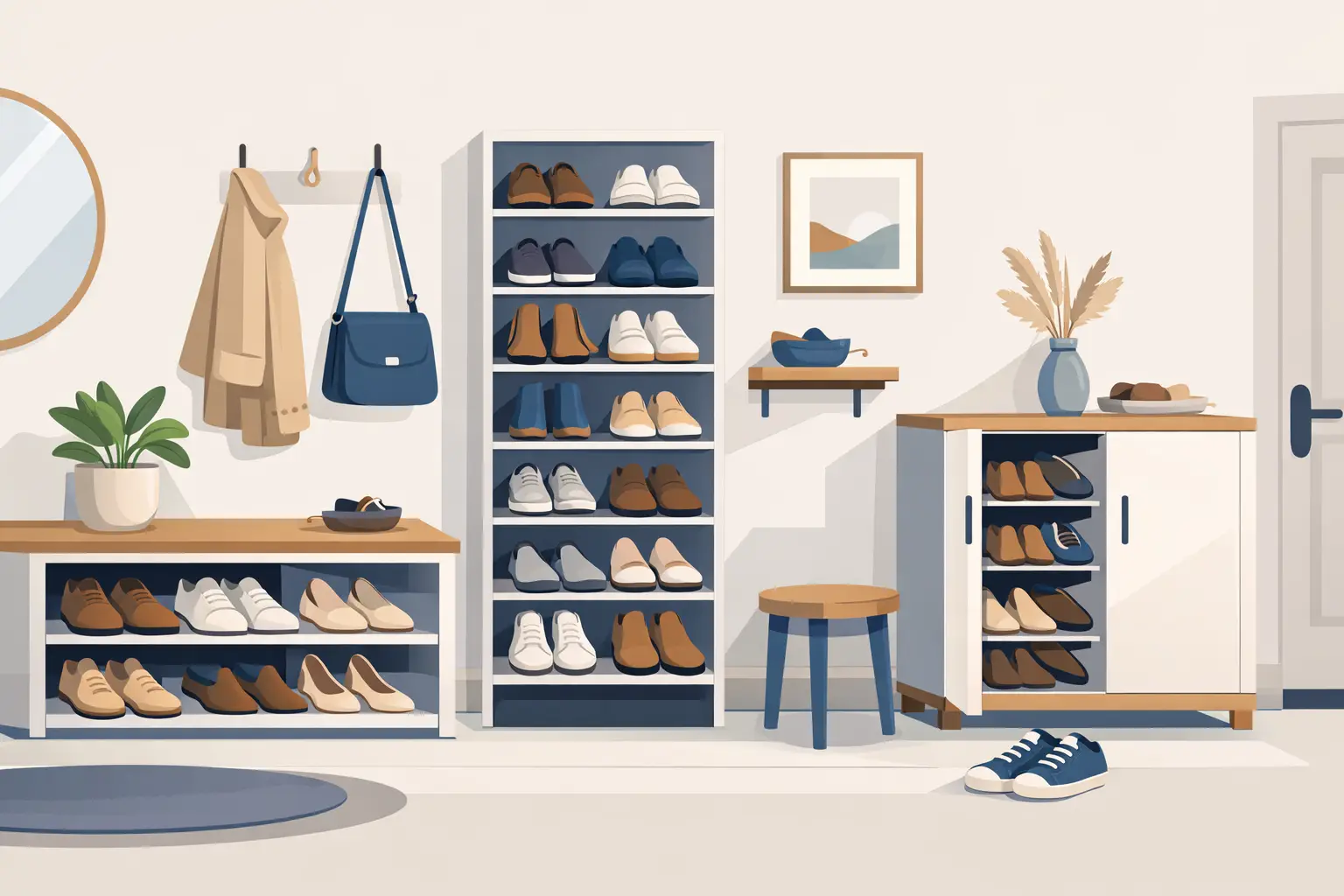
The fastest way for an entryway to feel messy is a pile of shoes by the door. If you are looking for the best shoe storage for entryways, the right choice comes down to three things: how much space you have, how many pairs you need to manage, and how quickly everyone in the house needs to grab shoes and go.
A good storage setup does more than hide clutter. It makes the space easier to clean, keeps pairs together, and helps your entry feel more organized the moment you walk in. The best options also match real life, whether that means muddy sneakers after school, work shoes by the front door, or a narrow apartment hallway where every inch matters.
What makes the best shoe storage for entryways?
The best entryway shoe storage is not always the biggest cabinet or the most stylish bench. It has to fit your traffic flow. If the front door opens into a tight space, a deep storage piece can create a daily annoyance. If your household swaps shoes constantly, closed cabinets may look cleaner but slow everyone down.
That is why the best shoe storage for entryways usually balances four things: footprint, capacity, access, and appearance. A compact unit that holds eight pairs neatly can be more useful than a larger piece that blocks movement. At the same time, if you want the entry to look calm and uncluttered, a closed-front cabinet may be worth the extra step of opening and closing doors.
Material matters too. In busy homes, easy-clean surfaces tend to win. Wood looks warm and polished, metal racks feel lightweight and practical, and mixed-material designs often hit the sweet spot between durability and style. If wet shoes are common, ventilation is worth paying attention to so moisture does not get trapped.
Shoe benches are the most versatile option
For many homes, a shoe bench is the easiest all-around answer. It gives you a place to sit while putting shoes on, and it turns storage into furniture instead of making the entry feel like a utility zone. This is especially helpful in family homes, where convenience matters as much as appearance.
Open-cubby benches work well if you want quick access. Everyone can see their pair, slide shoes in fast, and head out the door. The trade-off is visual clutter. If your household is disciplined, cubbies can look neat. If not, they can turn into a visible catch-all.
Benches with baskets or drawers create a cleaner look and can handle more than shoes alone. They are useful if you also want a spot for scarves, dog leashes, or small daily essentials. The downside is capacity. Bulkier boots and high-top sneakers may not fit as neatly as they would on an open shelf.
If your entryway has enough room for one piece of furniture, a bench is often the smartest buy because it solves two problems at once.
Slim shoe cabinets work best in tight spaces
Apartment entryways and narrow hallways usually need a different approach. In those spaces, depth matters more than width. A slim shoe cabinet keeps the walkway clear while still giving you a dedicated place for everyday pairs.
These cabinets are a strong fit if you want the entry to look tidy from the moment guests walk in. The shoes stay hidden, dust stays off, and the whole area feels more intentional. They are especially useful in homes where the front door opens directly into the main living area.
There are trade-offs. Slim cabinets are usually best for flatter shoes, low-profile sneakers, and sandals. Large men’s shoes, hiking footwear, and winter boots can be a squeeze depending on the design. Before buying, it helps to think about the types of shoes you actually wear most often, not just the number of pairs you own.
For shoppers who care about a clean look without giving up too much floor space, this style is often the strongest contender.
Open racks are great for speed and value
If convenience and price are the top priorities, open shoe racks are hard to beat. They are simple, affordable, and easy to place near a door, inside a mudroom, or along a garage entry. They also make sense for households with kids, where shoes need to be dropped quickly and found easily.
Open racks are best when function comes first. They offer visibility, airflow, and flexible sizing, which is helpful for athletic shoes and frequently used pairs. They are also easy to expand. If your needs change, adding a second rack is usually simpler than replacing a cabinet.
The downside is obvious: you will see everything. If the shoes are mismatched, muddy, or loosely stacked, the entry can still feel busy. That does not make open racks a bad option. It just means they work best in casual spaces, side entrances, or homes where practicality matters more than a polished look.
Storage cabinets are better for a cleaner finish
If your goal is a more put-together entry, a full shoe cabinet is often the better choice. This style hides the mess, reduces visual noise, and gives the area a furniture-like feel that works well in formal foyers or multipurpose living spaces.
A cabinet also helps if you do not want shoes exposed to pets, dust, or everyday traffic. Many shoppers prefer this option because it keeps the entry looking less crowded, especially in smaller homes where the front door area is always visible.
The catch is that cabinets need enough clearance to open comfortably, and larger ones can feel bulky if the space is already tight. They also ask for a little more commitment when it comes to organization. If the inside gets overloaded, it stops working fast.
Still, for a neat, streamlined result, cabinets are one of the best long-term options.
Don’t ignore vertical and stackable storage
When floor space is limited, going upward is often the easiest fix. Stackable shelves and vertical shoe towers help you store more pairs without spreading out across the entryway. This can be a practical move in condos, smaller homes, and shared households.
Vertical storage is best when you need capacity more than display. It can hold a surprising number of shoes in a small footprint, and many modular designs let you adjust as seasons change. That flexibility is useful if winter boots take over part of the year and sandals take over the rest.
The trade-off is convenience at eye level and above. Frequently used shoes should stay lower, while occasional pairs can go on upper shelves. If younger kids need independent access, tall storage may not be the best standalone solution.
How to choose the right setup for your home
The smartest purchase starts with your daily routine. If you want fast access and easy cleanup, open storage makes sense. If you care more about a clean look, choose closed storage. If you need both, a bench with hidden compartments or a hybrid cabinet can give you a better balance.
It also helps to count only the pairs that truly belong by the door. Entryway storage should handle active rotation, not your entire shoe collection. Once too many off-season or rarely worn shoes get pushed into that space, even a good organizer starts to feel crowded.
Measure carefully before you shop. Check width, depth, and door clearance, but also think about walking space. A product can fit on paper and still make the entry awkward in real life. That is especially true near front doors, closets, and stair landings.
Style matters, but not more than usability. A beautiful cabinet that is frustrating every morning will not feel like a good deal for long. Practical details such as easy-clean finishes, stable construction, and the right shelf height usually matter more day to day.
A few entryway mistakes are easy to avoid
Buying for maximum capacity instead of realistic use is one of the most common missteps. Bigger is not always better if it overwhelms the space. Another mistake is choosing storage that does not match your shoe types. A unit designed for flats and casual sneakers may disappoint if your home is full of boots and men’s work shoes.
It is also easy to overlook maintenance. Entryways collect dirt fast, so a piece that is simple to wipe down will stay looking better with less effort. If convenience is the reason you are shopping in the first place, low-maintenance materials are worth it.
For shoppers who want broad selection, practical styles, and value-focused options, retailers like Vespena can make it easier to compare entryway solutions without bouncing between specialty stores.
The best shoe storage for entryways is the one that makes coming home feel less chaotic. Pick the option that fits your space, your household, and your pace, and the front door instantly works harder for you.










Leave a comment