


How to Pick Body Kits That Fit Right
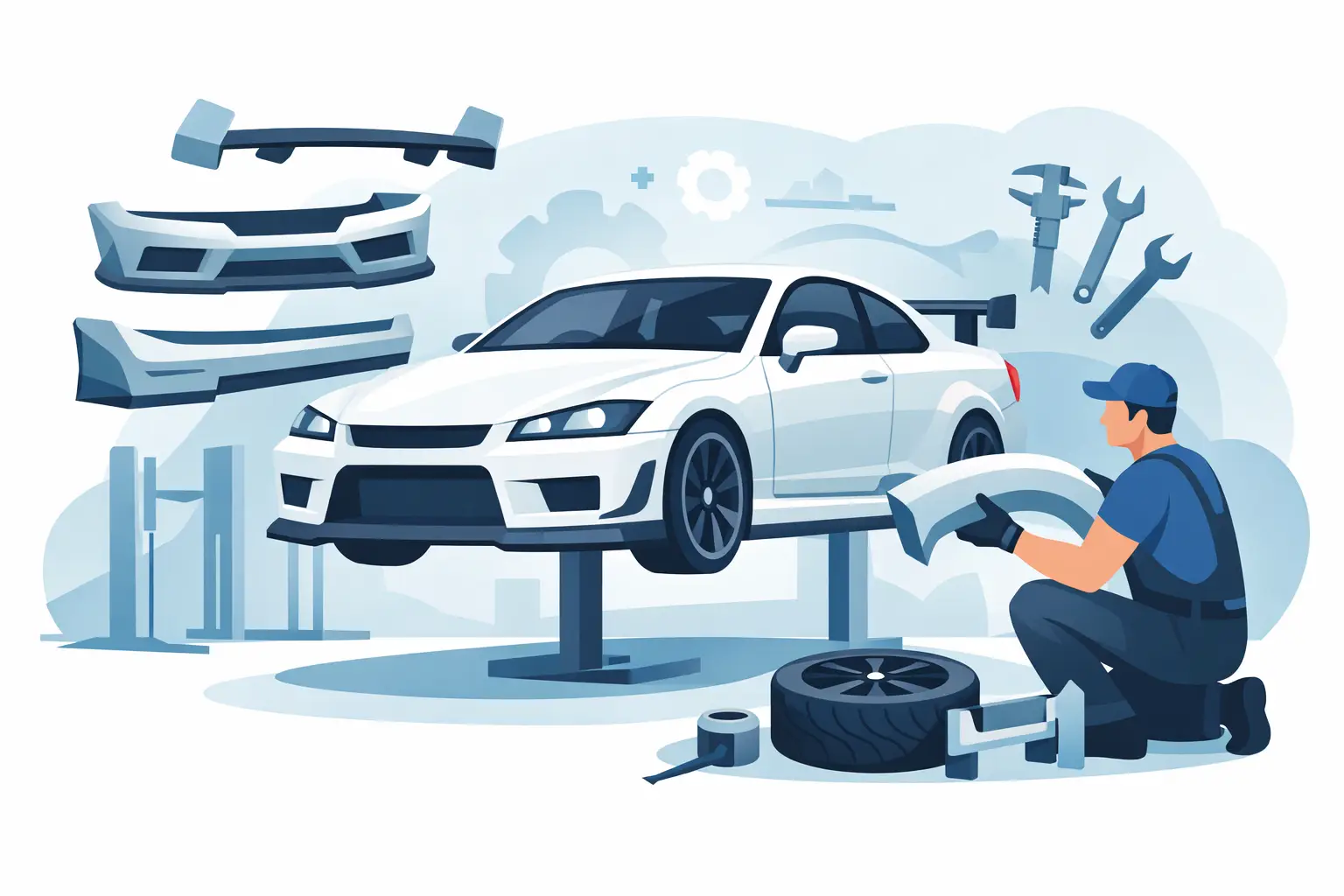
A body kit can make your car look sharper in a single weekend – or turn into a frustrating project that never fits quite right. If you are figuring out how to pick body kits, the best place to start is not the paint color or the photo gallery. It is your vehicle, your budget, and how you actually use the car every day.
Some drivers want a cleaner street look. Others want a more aggressive stance, better airflow, or a full visual refresh after replacing damaged panels. The right kit depends on those goals. A low front lip that looks great at a car meet may be a headache on steep driveways, and a bargain kit can stop being a bargain once trimming, prep work, and repainting are added.
How to Pick Body Kits Without Regret
The easiest mistake is buying based on appearance alone. Photos can be persuasive, but fitment, material quality, and intended use matter more than a dramatic angle shot. Before you add anything to your cart, confirm your exact year, make, model, trim, and body style. A kit made for one generation may look nearly identical to another, but mounting points and panel shapes can be different enough to create problems.
You also want to think about whether you need a full kit or just a few pieces. Many buyers are happier starting with a front lip, side skirts, or a rear diffuser instead of committing to a complete setup. That approach usually costs less, installs faster, and gives you room to adjust your look over time.
Start with your goal
Ask yourself what you want the kit to do. If this is a daily driver, you may want subtle pieces that improve style without reducing ground clearance too much. If the car is more of a weekend build, you may be comfortable with a lower, more aggressive design that needs a little extra care.
There is also a difference between replacing worn exterior parts and customizing for appearance. If you are trying to refresh an older vehicle, OEM-style or mild aftermarket pieces often make more sense than an extreme widebody setup. If your goal is visual impact, then a more dramatic kit may be worth it – as long as you are ready for the added cost and effort.
Know your roads and parking habits
This part gets overlooked all the time. If you regularly deal with potholes, speed bumps, steep ramps, or tight parking, an ultra-low front bumper is not always practical. A kit can look excellent online and still be wrong for your neighborhood, your commute, or your driveway.
It helps to be honest here. The best body kit is not just the one that looks the most impressive. It is the one you can live with without scraping every other day.
Choose the Right Material
Material affects price, durability, weight, and ease of installation. This is where trade-offs matter.
Polyurethane is a popular choice for street cars because it is flexible and tends to handle minor bumps better than more rigid materials. That flexibility can be a real advantage for daily driving, especially if you are not building a show-only vehicle. It is often a smart balance of cost and durability.
Fiberglass is common because it is widely available and can be budget-friendly, but it is more brittle. It can crack more easily if it hits curbs or road debris, and some fiberglass kits need extra prep work to achieve proper fitment. Buyers who want the lowest upfront price often gravitate toward fiberglass, but the final cost can rise if body shop labor is needed.
ABS plastic usually works well for buyers who want a practical, factory-like feel. It can offer good durability and a cleaner fit on many applications, though product quality still varies by manufacturer.
Carbon fiber has obvious appeal if you want a premium, performance-inspired look. It is lightweight and visually striking, but it usually costs more. It is best for shoppers who specifically want that finish and understand they are paying for both material and appearance.
Fitment Is More Important Than Style
You can forgive a simple design if it fits well. You will not forgive a dramatic design that lines up poorly, rattles, or needs major modification.
When comparing options, pay close attention to fitment details. Look for kits designed specifically for your vehicle configuration, not just your model name. Coupe, sedan, hatchback, and special trims can all affect compatibility. If a product description is vague, treat that as a warning sign.
A professionally installed kit can still need minor prep, but there is a big difference between normal adjustment and a kit that fights the car at every mounting point. Better fitment usually saves time, labor, and frustration.
Check what is included
Not every body kit includes the same parts. One listing may include front and rear bumpers plus side skirts, while another may only include add-on lips and trim pieces. Hardware, brackets, mesh grilles, and instructions may or may not be part of the package.
This matters for budgeting. A lower product price can look attractive until you realize you still need mounting hardware, surface prep, paint, and installation help. Always compare the full package, not just the base price.
Budget for More Than the Kit
A smart buyer looks past the sticker price. The total cost usually includes shipping, prep work, paint, installation, and sometimes small extras like clips, adhesives, or replacement fasteners. If the kit arrives unpainted, factor in finishing costs before you decide what is really affordable.
This is why the cheapest option is not always the best value. A slightly better kit with cleaner fitment and stronger material can save money by reducing labor and rework. For many shoppers, that is the better deal.
If you are shopping online for value and selection, it helps to compare styles and materials in one place so you can narrow down options faster. That convenience matters when you are balancing appearance, compatibility, and budget instead of bouncing between specialty stores.
Think About Installation Before You Buy
Some body kit parts are straightforward enough for experienced DIY buyers, especially smaller add-ons like lips or diffusers. Full bumper replacements and widebody kits are a different story. They often require trimming, sanding, drilling, test fitting, and paint prep.
If you plan to install it yourself, choose a kit that matches your skill level and tool setup. If you are using a body shop, ask for an estimate before ordering. Installation costs can vary a lot depending on the material, the complexity of the kit, and how much adjustment is needed.
A good buying decision is one that still feels good after labor costs are added.
Match the Body Kit to the Car
A kit should work with the vehicle’s shape, not fight it. Clean, understated styling tends to age well and appeals to more buyers if you ever sell the car. More aggressive kits can look great on the right build, but they are usually a stronger personal taste.
That does not mean you should only play it safe. It just means balance matters. A mild sedan with an oversized, race-style body kit can feel mismatched. The same is true if you install an elaborate widebody but keep every other exterior detail completely stock. The best results usually come when the kit, wheels, ride height, and lighting all feel like part of the same plan.
Consider your finish options
Some buyers want a paint-matched look that blends in like it came from the factory. Others prefer exposed carbon fiber or contrasting gloss black accents. Neither is wrong. It depends on whether you want subtle refinement or a stronger visual statement.
Just remember that finish quality changes the final result as much as the part design does. Even a well-designed kit can look unfinished if prep and paint are rushed.
Where shoppers usually go wrong
Most buying mistakes come from rushing. People assume universal fit means close enough, underestimate installation work, or choose a design that does not match how the car is actually driven. Another common issue is buying every piece at once before seeing how the first changes the look.
A more practical approach is to start with verified fitment, choose the right material for your driving habits, and make sure the total cost makes sense. That process is less exciting than impulse buying, but it usually leads to better results.
If you are browsing a large selection, keep your checklist simple. Confirm fitment, compare material, review what is included, and decide whether the style fits your car and your daily use. That is the fastest path to a body kit you will still like after the first week.
For shoppers who want convenience along with variety, Vespena makes it easier to compare body kit options without overcomplicating the process. When you can shop by vehicle and budget, the right choice gets a lot clearer.
The best body kit is not the loudest or the most expensive. It is the one that fits your car, fits your routine, and still feels like a good buy every time you walk up to it.












Leave a comment