


Running Boards vs Side Steps: Which Fits?
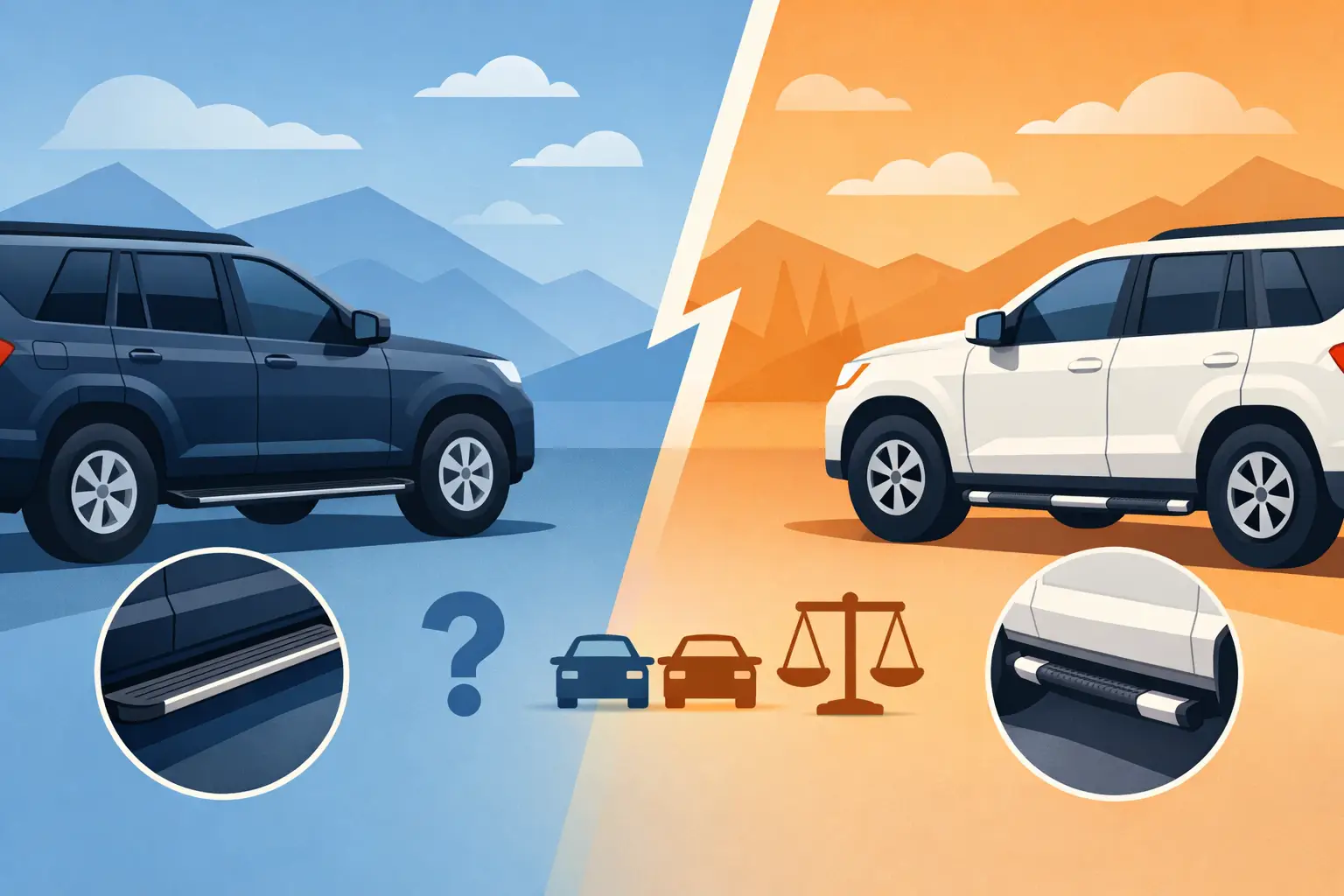
If you have ever climbed into a lifted truck in work boots or helped a kid into a tall SUV in a parking lot, the question of running boards vs side steps gets practical fast. Both can make entry easier, add style, and protect part of your vehicle’s lower body, but they do not feel the same in daily use. The right choice depends on how you drive, who rides with you, and whether you care more about convenience, clearance, or appearance.
Running boards vs side steps: the core difference
At a glance, these accessories seem close enough to be interchangeable. In reality, they serve the same general purpose in different ways.
Running boards usually extend along a larger portion of the cab, creating a long, continuous stepping surface. They sit wider and flatter, which gives your foot more room and makes entry and exit feel more natural. That broader platform is often the better fit for families, commuters, and anyone who wants a stable step every time they get in or out.
Side steps are typically narrower and more compact. Many use one or two distinct stepping pads mounted to a tube or bar. That design gives them a sportier look and can preserve a little more ground clearance, which matters if you want a cleaner profile or spend time on rough roads.
So the short version is simple. Running boards prioritize comfort and coverage. Side steps prioritize a tighter look and, in many cases, a slightly more rugged feel.
Which is easier to use every day?
For most everyday drivers, running boards are easier to live with. The wider stepping area gives you more forgiveness if you are getting in quickly, carrying groceries, loading a child into a car seat, or stepping in during rain. You do not have to place your foot as precisely, and that can make a big difference on taller trucks and SUVs.
They also work well for passengers who may not be thinking about where the step pad is. Kids, older adults, and shorter passengers usually benefit from the larger platform. If your vehicle is a daily driver and convenience matters more than anything else, running boards tend to win.
Side steps still do the job well, especially if the stepping pads are positioned exactly where people enter the cab. But because the usable surface is usually smaller, they can feel less forgiving. That is not necessarily a problem for drivers who are used to their vehicle height. It just means they are a bit more purpose-built and a little less family-friendly in some setups.
Style matters more than most buyers expect
A lot of buyers start by thinking only about function, then end up choosing based on appearance. That makes sense because these accessories are highly visible.
Running boards usually create a more integrated look. They can appear flush with the body and often make the vehicle look a little more finished, especially on SUVs and newer trucks with a refined exterior. If you want an upgrade that blends in rather than stands out, they are often the safer choice.
Side steps are more likely to emphasize the truck or SUV’s rugged side. Round bars, angular tube designs, and pronounced step pads give them a stronger aftermarket look. If you want the accessory to add visual attitude, side steps often do that better.
Neither look is better across the board. It depends on your vehicle and what you want it to say. A full-size family SUV may look more balanced with running boards, while a truck with off-road tires and other exterior upgrades may look more at home with side steps.
Ground clearance and off-road use
This is where the trade-off becomes more noticeable. Running boards generally hang lower and cover more length. That is great for easy access, but it can slightly reduce clearance along the side of the vehicle. For normal street driving, that is rarely a dealbreaker. For trail use, uneven work sites, or deep ruts, it can matter.
Side steps often sit tighter to the body and cover less area, which may help preserve clearance. Some drivers prefer that because it reduces the chance of scraping in rough conditions. If your truck sees job sites, gravel roads, or weekend off-road use, side steps may feel like the more practical middle ground between utility and appearance.
That said, not all products follow the same dimensions. Some running boards are mounted high and close, while some side steps extend farther than expected. Checking width, drop height, and mounting position is always worth the extra minute before you buy.
Protection from road debris
Both options can offer some protection, but running boards usually provide more. Because they cover a larger section beneath the doors, they can help block some road spray, dirt, and small debris kicked up by the tires. That can be especially useful in wet weather or on roads where mud and slush are common.
Side steps offer less overall coverage, although they still create some barrier near the lower cab area. If your main goal is keeping the lower sides a little cleaner while adding easier access, running boards tend to be the stronger option.
Protection should still be seen as a secondary benefit, not a full shield. Neither accessory replaces dedicated underbody protection or heavy-duty rock sliders for serious off-road use.
Comfort, grip, and weather conditions
Not all stepping surfaces are equal. Material and texture matter a lot.
Running boards often use a broad non-slip surface, which can feel more secure in rain, snow, or muddy conditions. That wider area also helps when you are stepping in at an angle or wearing larger shoes or boots. For everyday comfort, this is one of the biggest reasons buyers choose them.
Side steps can offer excellent grip too, especially when they have molded pads or textured step plates. The main difference is that the contact area is usually smaller. If your foot placement is off by a few inches, you may not get the same confidence as you would from a full-length board.
For drivers in climates with frequent bad weather, grip should be near the top of the checklist. A sleek look is nice, but secure footing matters more on a cold morning when the step is wet or icy.
Fitment, materials, and maintenance
When comparing running boards vs side steps, fitment is just as important as design. A product built for your exact make, model, cab size, and year is going to save time and frustration. The best shopping experience comes from being able to narrow options quickly and choose a set that matches your vehicle without guesswork.
Material also affects long-term satisfaction. Aluminum can help keep weight down and resist corrosion. Stainless steel has a polished look and strong durability. Powder-coated steel often delivers a tougher style at a value-focused price, though finish quality matters if you live where roads are salted.
Maintenance is usually simple for both. Routine washing and occasional checks on mounting hardware go a long way. Running boards can collect more dirt because of their larger surface area, while side steps are often a little easier to rinse off. That difference is minor for most owners, but it is worth knowing if you like a cleaner look with less upkeep.
Who should choose running boards?
Running boards are often the better fit if your vehicle is used every day by different passengers. They make sense for families, commuters, rideshare drivers, and anyone who values easier entry over a more aggressive profile. They are also a strong choice if you want fuller lower-body coverage and a look that feels integrated with the vehicle.
If convenience is your priority, this option checks the most boxes. That is why many mainstream SUV and truck owners end up happier with running boards after a few weeks of real-world use.
Who should choose side steps?
Side steps make a lot of sense if you want a more compact accessory that still improves access. They are a popular fit for drivers who like a tougher appearance, want a little more visible separation from the body, or prefer an option that may interfere less with clearance.
They can also be a smart pick if only the front seating area is used most of the time or if you simply do not need a full-length step surface. For many truck owners, that balance of style and function is exactly the point.
The better choice depends on your routine
If your truck or SUV is part family hauler, part errand runner, and part daily commuter, running boards usually deliver the best overall convenience. If your vehicle leans more toward sporty styling, work use, or a rugged look, side steps may fit better.
The smart buy is not the one that sounds toughest or looks flashiest in a product photo. It is the one that matches how you actually use your vehicle on a normal Tuesday. Shop that way, and you are much more likely to end up with an upgrade that still feels right months from now.













Leave a comment