


Best Seat Covers for Pets That Keep Cars Clean
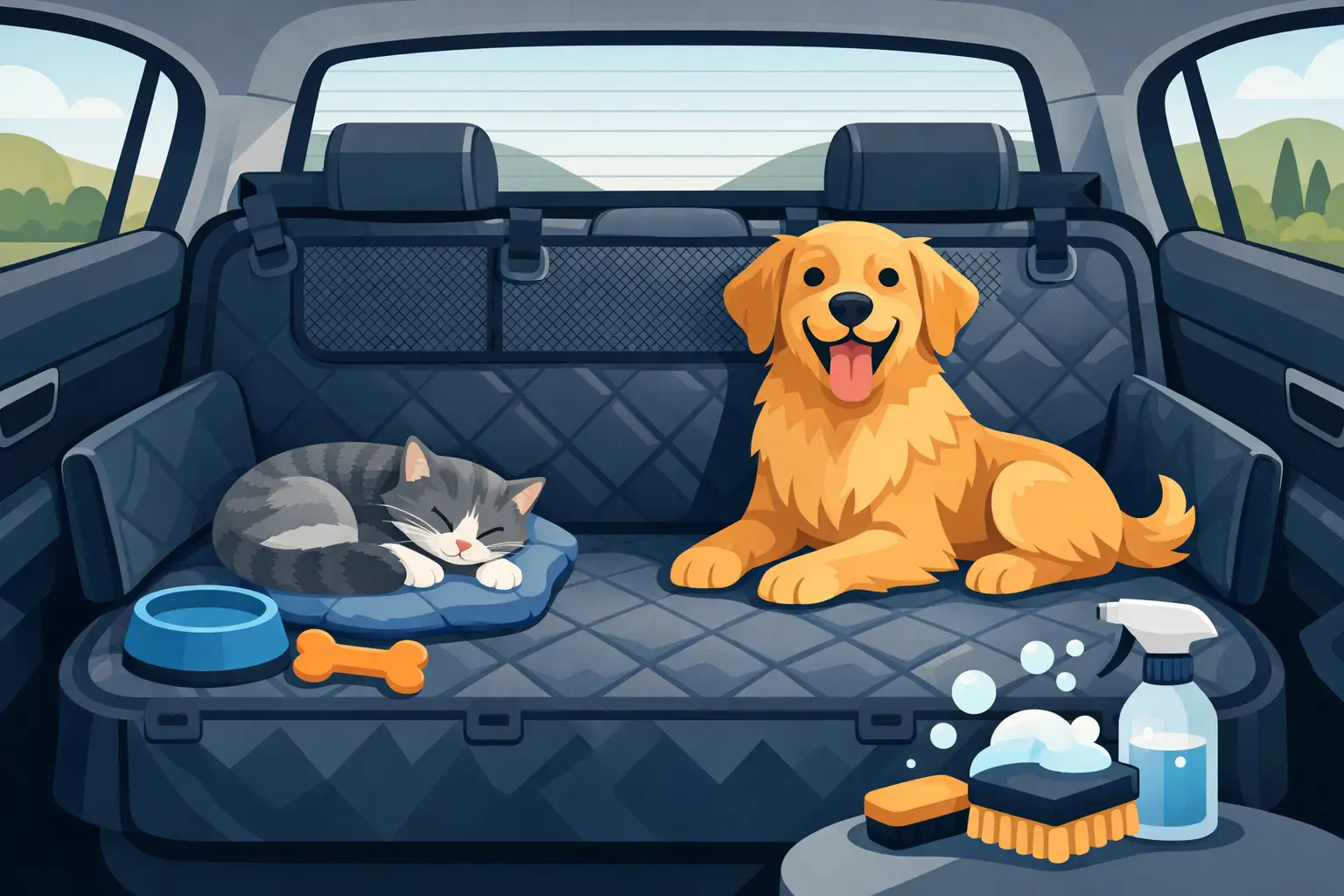
A wet dog after the park, a shedding cat headed to the vet, or a muddy puppy after a weekend trail walk can turn a clean back seat into a full cleanup job. The best seat covers for pets give your vehicle a dependable barrier against fur, dirt, moisture, scratches, and everyday wear without making every ride less comfortable for your passengers.
For most drivers, the right choice comes down to three things: how your pet rides, the type of vehicle you drive, and how often you need to remove and clean the cover. A cover that looks good in product photos is not necessarily the one that stays in place during a sharp turn or handles a soaked coat after rain.
Best Seat Covers for Pets Start With the Right Style
Pet seat covers are not one-size-fits-all. Before comparing materials or colors, decide which layout suits your car and your pet’s travel habits.
A bench-style seat cover protects the back seat cushion and backrest while leaving the footwell open. It is a practical option for calm pets that ride on the rear bench, as well as families that still need room for kids or adult passengers. Many bench covers include openings for seat belts, which makes them more flexible for mixed-use vehicles.
A hammock-style cover attaches to both the front and rear headrests. It creates a raised barrier over the rear footwell, helping keep dogs from slipping forward when you brake. This style is especially useful for larger dogs, active dogs, and drivers who want more complete coverage. The trade-off is that it can limit rear-seat passenger space, so it may not be the best choice if you frequently carry people in the back.
For pets that travel in an SUV, wagon, or hatchback cargo area, choose a cargo liner or cargo seat cover instead of forcing a rear-seat model to fit. These covers are made to protect the load floor, sidewalls, and rear bumper area where paws often make contact while jumping in and out.
Choose a Material That Matches Your Pet
Water resistance is usually the first feature shoppers look for, and for good reason. A water-resistant or waterproof surface helps protect factory upholstery from wet paws, spills, drool, and minor accidents. Look for a layered construction rather than a thin single-layer fabric. A durable top layer handles daily mess, while a waterproof backing adds protection between the cover and the seat.
Quilted polyester and Oxford fabric are common choices because they balance durability, cost, and easy maintenance. They are well suited to routine use with dogs that shed or bring in light dirt. Heavier fabrics tend to resist claw marks better, but they can also feel stiffer and may take longer to dry after washing.
If your pet is prone to motion sickness, has frequent accidents, or swims often, prioritize a truly waterproof cover with raised edges or side flaps. Water-resistant fabric can handle a damp coat, but prolonged moisture may eventually seep through seams or gaps. For occasional trips with a clean, short-haired pet, a lighter washable cover may be enough and is usually easier to store.
Color matters more than it may seem. Black and dark gray covers hide dirt well, while tan or light gray can make dark pet hair easier to spot before it works its way into your vehicle. Choose the option that makes regular cleanup simpler for you, not just the one that best matches the interior.
Fit Is What Keeps a Pet Cover Useful
A loose cover is frustrating. It shifts under your pet, exposes the seat edges, and can bunch up around seat belt buckles. Measuring your rear bench or cargo floor before ordering takes only a few minutes and prevents a lot of hassle later.
Universal-fit covers work for many sedans, trucks, crossovers, and SUVs. They are convenient, budget-friendly, and easy to move between vehicles. Still, universal does not mean perfect for every interior. Extra-wide benches, narrow headrests, split seats, and unusually shaped cargo areas may need more adjustable straps or a vehicle-specific design.
Check the product dimensions against your seating area, including seat width, backrest height, and headrest arrangement. If you have a split-folding rear seat, look for zippers or sections that let you fold down part of the seat without removing the entire cover. Side flaps are also worth considering because they protect the outer edges of the seat where pets climb in and out.
A good non-slip backing is another essential detail. It helps the cover stay put, but it should be paired with adjustable headrest straps, seat anchors that tuck into the seat crease, and secure fastening points. One feature alone rarely keeps a cover stable during real driving.
Features That Make Cleanup Faster
The best pet cover is the one you will actually keep using. That usually means it needs to be easy to shake out, vacuum, wipe down, or wash.
For everyday fur and dust, a quick vacuum or lint roller may be all you need. A smooth, tightly woven surface is generally easier to clean than a textured material that traps hair. If your pet sheds heavily, choose a cover that can be removed without wrestling with complicated straps and buckles.
Machine-washable covers are convenient, but read care instructions closely. Some waterproof layers can be damaged by high heat, strong detergents, or frequent dryer use. A cover that can be wiped clean may be more practical for muddy paws, while a machine-washable option is useful for deeper cleaning after longer trips.
Small details can make a big difference. Storage pockets help keep a leash, collapsible bowl, waste bags, or towel within reach. Zippered openings for seat belts are helpful when passengers share the back seat. A built-in opening for a pet harness tether can be useful, though the tether should never replace a properly fitted pet restraint system.
Keep Safety Ahead of Convenience
Seat covers protect your interior, but they do not secure your pet in a moving vehicle. Dogs can be thrown forward in a sudden stop, and an unrestrained pet can distract the driver. Use a crash-tested harness designed for vehicle use, a secured travel crate, or another appropriate restraint based on your pet’s size and needs.
When selecting a rear-seat cover, make sure it does not interfere with seat belt access, child safety seats, or rear airbags. Avoid attaching straps around any component that could affect vehicle safety equipment. If your vehicle has integrated headrests or a center armrest that you use often, confirm that the cover design will accommodate those features.
For puppies or anxious pets, a hammock cover can create a more contained riding space, but it is not a substitute for restraint. It may help reduce slipping and discourage climbing into the front seat, yet your pet still needs to be safely secured.
How to Pick the Best Option for Your Vehicle
If you drive a sedan and occasionally bring a dog along, a universal bench cover with a non-slip backing and waterproof layer is a simple, affordable place to start. It keeps the back seat protected while allowing easy access for passengers when needed.
For an SUV owner with a large dog that rides several times a week, a hammock cover with side flaps, strong anchors, and durable quilted fabric is often the better fit. It provides more coverage and helps keep the dog from moving into the footwell.
Drivers who carry pets, groceries, sports gear, and family members may get more value from a modular cover with zippered sections. Flexibility matters when your vehicle has to handle different jobs from one day to the next. Cargo liners make the most sense for pets that ride behind the rear seats, especially when your cargo area is their regular travel space.
At Vespena, shoppers can compare pet-friendly vehicle accessories alongside other practical car care essentials, making it easier to prepare for cleaner, more comfortable rides without visiting multiple specialty stores.
A Better Ride for You and Your Pet
The right seat cover should make pet travel feel routine instead of risky for your upholstery. Choose the style that fits how your pet actually rides, confirm the measurements, and favor secure attachment points over decorative extras. Once it is installed correctly and paired with a proper pet restraint, you can spend less time worrying about fur and muddy paws and more time enjoying the trip together.












Leave a comment