


Best Outdoor Rugs for Patios That Look Great
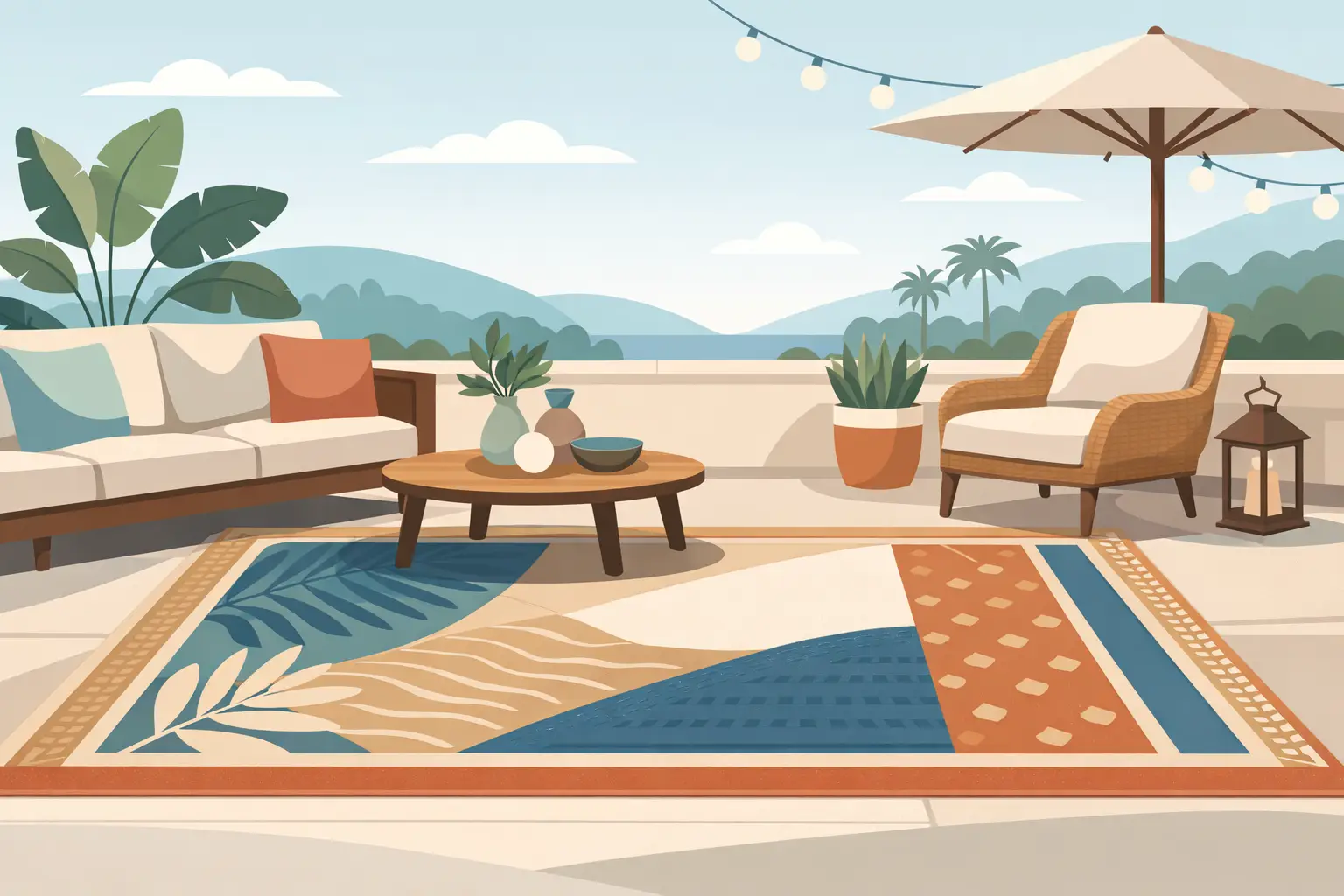
A patio can have comfortable seating, a great table, and plenty of plants, yet still feel unfinished. The right rug changes that quickly. The best outdoor rugs for patios define the seating area, add color underfoot, and make a hard surface feel more like an extension of the home.
For a space that looks good without creating another high-maintenance chore, focus on weather-ready materials, a size that fits the furniture layout, and a pattern that works with everyday outdoor life. A good outdoor rug should handle sun, occasional rain, foot traffic, and the small spills that happen when people actually use the patio.
What Makes the Best Outdoor Rugs for Patios?
Outdoor rugs are designed differently from the rugs used in a living room or bedroom. Their fibers are typically made to resist moisture, dry faster, and hold up better against fading. That does not mean every rug works equally well in every location. A covered porch with light traffic has different needs than an open poolside patio that gets direct afternoon sun.
For most households, polypropylene is the practical first choice. It is affordable, lightweight, water-resistant, and easy to rinse clean. It also comes in a wide selection of woven looks, from simple stripes to detailed geometric patterns. If the rug will be exposed to rain and bright sun, this material offers a strong balance of value and low-effort care.
Recycled PET rugs are another smart option for shoppers who want a softer feel. These rugs are often made from recycled plastic bottles, but the fibers can feel surprisingly close to indoor fabric. They are well suited to covered patios and outdoor lounging areas, although they may take longer to dry than a thin polypropylene design.
Polyester outdoor rugs can offer rich color and a softer texture, but check the product details for UV resistance. Without it, intense sunlight can fade a rug faster than expected. Natural-fiber styles such as jute, sisal, and seagrass bring great texture, but they are usually better for fully covered porches. They can retain moisture and break down when left in rain.
Choose a Flatweave for Easy Cleanup
A low-pile or flatwoven rug is often the easiest choice for a patio. Chairs slide more easily, crumbs do not disappear deep into the fibers, and moisture has less material to cling to. Flatweaves also tend to be easier to roll up and store if you prefer to put seasonal decor away during the winter.
A thicker woven outdoor rug can feel more comfortable beneath bare feet, especially in a lounge area. The trade-off is drying time. If your patio stays shaded or collects standing water after storms, a thinner style is usually the safer buy.
Pick a Rug Size That Supports the Furniture
The fastest way to make an outdoor area feel polished is to choose a rug large enough to anchor the furniture rather than simply float in the center. A small rug placed beneath a full conversation set can look accidental and may create a tripping edge around the chairs.
For a compact bistro set, a 5 x 7 or 6 x 9 rug often gives the table and chairs enough room. If chairs are pulled out for meals, make sure their back legs remain on the rug. For a standard patio seating group with a sofa and two chairs, an 8 x 10 rug is a popular starting point. Ideally, the front legs of all major seating pieces should sit on the rug.
Large patios can support a 9 x 12 or larger outdoor rug, especially when the goal is to create separate zones. One rug can define a dining area while another frames a lounge space. This approach works particularly well on long concrete patios, decks, and covered outdoor rooms.
Before ordering, measure both the open area and your furniture footprint. Leave a visible border of patio surface around the rug, usually 8 to 18 inches, so the space does not feel crowded. On a narrow balcony, a runner can add softness without taking over the entire floor.
Match the Color and Pattern to Real Outdoor Use
Color does more than set the mood. It also determines how much dust, pollen, pet hair, and snack spills you will notice between cleanings. A bright solid cream rug can look fresh on day one, but it may demand more attention in a busy backyard. Mid-tone shades such as taupe, blue-gray, terracotta, charcoal, and olive are more forgiving choices.
Patterns are especially useful for high-use patios. A small-scale geometric design, woven stripe, or mixed-tone texture can hide everyday debris better than a single flat color. If your furniture cushions are already bold, a neutral rug with subtle texture keeps the area balanced. If the furniture is simple, a patterned rug can provide the personality.
Consider the temperature of the patio as well. Dark rugs can become noticeably warmer in direct sun, while light colors reflect more heat but may show dirt sooner. There is no single right answer. A shaded deck can handle deeper colors beautifully, while a sunny pool area may be more comfortable with a lighter, multi-tone design.
Check for Fade Resistance and Drainage
Direct sun is one of the toughest conditions for outdoor decor. Look for product descriptions that mention UV resistance, colorfast construction, or fade-resistant fibers. These features help, but no outdoor rug will look brand-new forever if it is exposed to harsh sun all year.
Drainage matters just as much. Rugs with an open weave or breathable backing are better choices for damp climates and uncovered patios. Avoid placing a wet rug over a surface that cannot dry easily. Trapped moisture can lead to mildew, discoloration, or marks on wood decking. After heavy rain, lift one corner and let air circulate underneath if the rug feels saturated.
Make Cleanup Simple From the Start
One reason outdoor rugs are such an easy patio upgrade is that most need very little specialized care. Regular sweeping removes leaves, dirt, and grass before they settle into the weave. For deeper cleaning, shake out the rug, rinse it with a garden hose, and use mild soap on spots that need more attention.
Let the rug dry completely before putting furniture back in place. This small step helps prevent mildew and keeps moisture from lingering beneath table legs or seating frames. For a rug under a grill or dining table, clean spills sooner rather than later, especially sauces and grease that can attract dirt.
A rug pad can make sense on smooth concrete, tile, or composite decking. It helps reduce sliding and can add a bit of cushioning. Choose a pad rated for outdoor use and check that it is safe for your patio surface. Some materials can trap moisture or react with certain deck finishes, so product compatibility is worth checking before you buy.
Shop for Value, Not Just the Lowest Price
The least expensive rug may work well for a small, lightly used balcony, but a larger family patio usually benefits from a better-made option with fade resistance and durable edges. Look closely at the binding around the perimeter. Clean, reinforced edges help prevent curling and fraying, which is especially important where chairs are moved frequently.
It is also worth considering how often you want to replace the rug. A value-focused purchase is not always the lowest initial price. A rug that cleans easily, holds its shape, and still looks good after a season of use can be the better deal. At Vespena, shoppers can compare patio-ready styles and sizes alongside the outdoor furnishings and everyday home essentials needed to finish the space in one order.
Create a Patio People Want to Use
The best choice is the rug that fits your patio’s conditions and the way your household spends time outside. Choose an easy-clean flatweave for a busy dining space, a softer recycled-fiber style for a covered lounge area, or a patterned polypropylene rug for an open patio that sees plenty of sun and traffic.
Once the rug is in place, add seating, lighting, and a few weather-friendly accents around it. That simple foundation makes the patio feel intentional, comfortable, and ready for weekday dinners, weekend gatherings, or a quiet morning coffee.










Leave a comment