


A Guide to Outdoor Lighting Ideas That Work
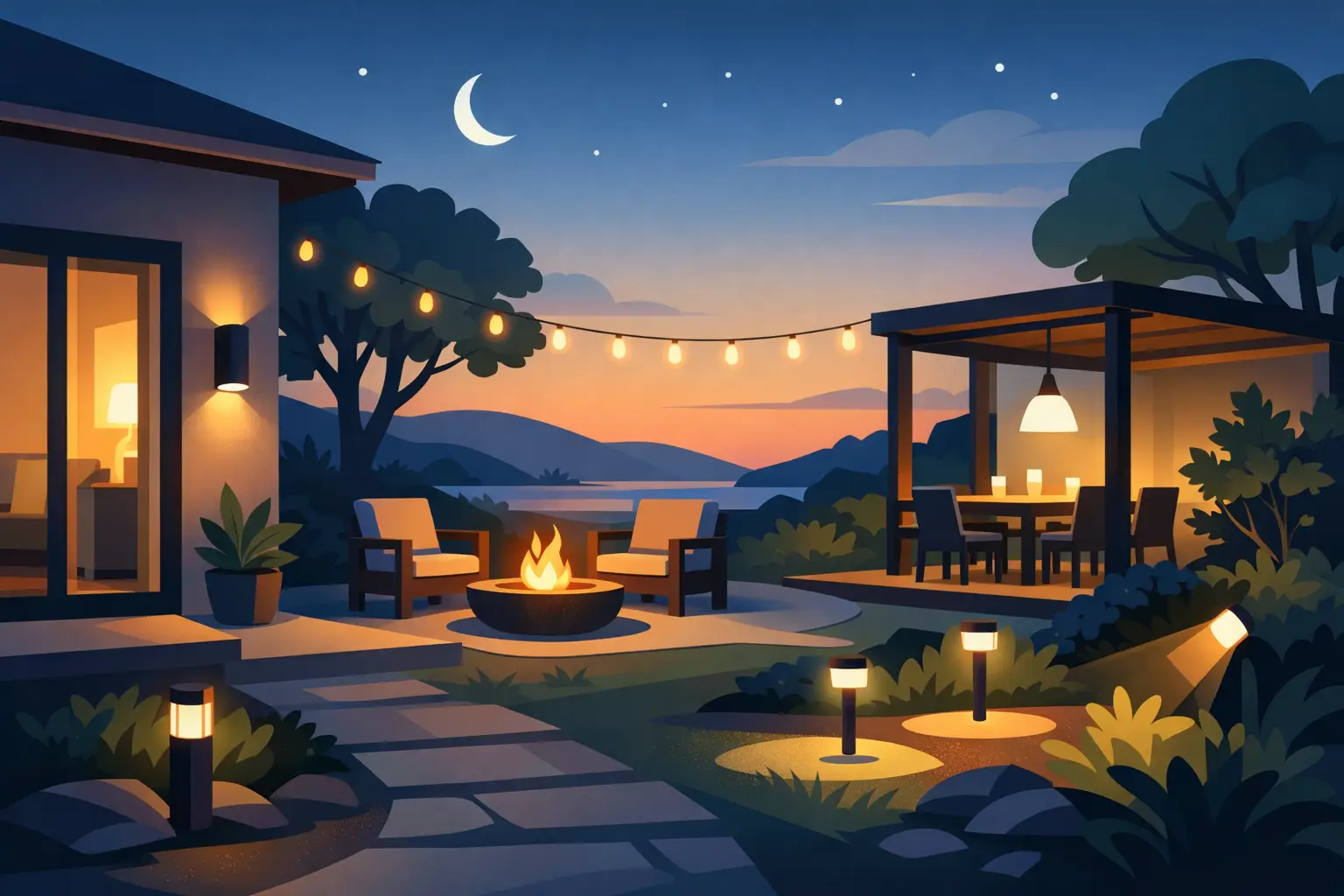
A dark front walk can make a well-kept home feel unfinished, while one glaring floodlight can make a patio feel more like a parking lot than a place to relax. This guide to outdoor lighting ideas helps you choose practical layers of light for the spaces you use most, from the front door and driveway to a backyard dining area.
The best outdoor setup is not about adding the most fixtures. It is about putting the right light where it improves safety, visibility, and comfort. Start with how you move through the space after sunset, then add lighting that supports those routines without wasting energy or creating harsh glare.
Start With the Areas That Need Light Most
Walk outside after dark and take note of what disappears. Steps, uneven pavers, house numbers, gates, and the edge of a driveway are usually higher priorities than decorative garden features. A simple plan prevents the common mistake of buying attractive lights first, then discovering the entryway is still too dim.
Think in three layers. Ambient lighting creates an overall welcoming glow. Task lighting helps with specific activities such as unlocking the door, grilling, or carrying groceries. Accent lighting draws attention to landscaping, architecture, or a favorite outdoor feature. Most homes need a mix of all three, but the balance depends on the size of the yard and how the space is used.
For a small apartment balcony, a compact wall light and weather-rated string lights may be enough. For a detached home with a long walkway, driveway, deck, and backyard, low-voltage path lights and motion-activated security lighting often make more sense.
Outdoor Lighting Ideas for the Front of Your Home
Your front entry should be easy to find and comfortable to approach. A wall-mounted porch light on one or both sides of the door gives visitors enough light to see the lock, welcome mat, and step. If your door sits beneath a covered porch, choose a fixture that complements the home’s exterior style while leaving enough clearance for the door to open fully.
Use bulbs that provide a warm white appearance for entry lighting. Light in the 2700K to 3000K range generally feels inviting without looking yellow. Very cool white bulbs can work for utility areas, but they can make a front porch feel stark.
Path lights are useful when the route from the sidewalk or driveway is not obvious. Place them along one side of a narrow path or stagger them on both sides of a wider walkway. Avoid placing fixtures too close together. Pools of light with a little space between them look better than a runway effect, and they still help people see changes in elevation.
For house numbers, consider a dedicated downlight, an illuminated address plaque, or a fixture positioned so the numbers are readable from the street. This is a small upgrade that can help guests, delivery drivers, and emergency responders find your home more easily.
Make Patios and Decks Comfortable After Sunset
A patio needs flexible lighting because it may serve as a dining room, reading spot, play area, and place to host friends. Begin with a broader light source near the house, such as a wall sconce, covered-ceiling fixture, or outdoor-rated pendant. Then add lower-level lighting to make the space feel relaxed rather than overlit.
String lights are a popular choice for patios because they define the area quickly and work with many decorating styles. Hang them across a pergola, between posts, or along a fence line using secure mounting points designed for outdoor use. Choose shatter-resistant bulbs and weather-rated cords. If the patio is exposed to strong wind, permanent café-style strings may require more secure hardware than temporary seasonal lights.
Deck and stair lights deserve priority when there are level changes. Recessed step lights, post-cap lights, or small downward-facing fixtures improve footing without shining directly into anyone’s eyes. Keep the light aimed at the tread or walking surface, not across the whole yard.
For outdoor dining, a dimmable fixture is especially useful. Brighter light helps when serving food and cleaning up, while a lower setting makes conversation more comfortable. Battery-powered table lamps can add a portable finishing touch, but they should supplement, not replace, dependable overhead or wall-mounted lighting.
Use Landscape Lighting With Restraint
Landscape lighting looks its best when it highlights a few strong features instead of trying to illuminate every shrub. An uplight can bring out the trunk and canopy of a mature tree. A small spotlight can show off a stone wall, fountain, or textured section of siding. Downlighting from a tree or eave can create a soft moonlit effect across a lawn or seating area.
Aim fixtures carefully. A light pointed directly at windows, neighbors’ yards, or passing drivers can create glare and complaints. Shielded fixtures and downward-facing designs keep light where it is useful. They also reduce light pollution, which matters if you want to preserve a view of the night sky.
Choose durable materials for exposed locations. Powder-coated metal, brass, stainless steel, and UV-resistant finishes usually hold up better than lightweight decorative fixtures in areas with intense sun, rain, or snow. No material is maintenance-free, though. Clean lenses periodically and trim plants that begin to block the beam.
Brighten Driveways, Garages, and Side Yards
Driveway lighting should make parking and walking safer without blasting light into the street. Wall-mounted garage lights, post lights, or carefully placed downlights can define the parking area and reveal obstacles. If you back out after dark, lighting near the garage corners is often more useful than a single fixture centered high above the door.
Motion-sensor lights are a practical option for side yards, gates, trash areas, and less frequently used doors. Look for adjustable sensitivity, range, and shutoff time so the light does not activate every time a small animal passes. A fixture with a dusk-to-dawn setting can provide steady low-level illumination, while motion activation adds brightness only when needed.
Security lighting works best when it supports visibility rather than creating blind spots. One extremely bright fixture can leave nearby areas in deeper contrast and make it harder for your eyes to adjust. Multiple modest, well-aimed fixtures typically provide a more useful result.
Choose the Right Power Source and Features
Solar lights are easy to install and can be a good value for sunny paths, garden beds, and seasonal accents. Their trade-off is performance. They need adequate daylight to charge, and output can decline during cloudy stretches, winter months, or when panels are shaded by trees.
Low-voltage lighting is a strong choice for permanent landscape systems. It offers more consistent brightness than many solar options and allows you to expand over time. Installation requires a transformer, cable routing, and thoughtful fixture placement, but it is manageable for many homeowners. For larger systems or wiring near water, consult a qualified professional.
Hardwired fixtures are often the best choice for front doors, garages, and covered patios where reliable light matters every night. They may require professional installation, particularly when adding a new electrical box or circuit. The upfront cost is higher, but the finished look and long-term dependability can justify it.
Smart outdoor bulbs, plugs, and fixtures add scheduling and control from a phone or voice assistant. They are convenient for vacation settings, dinner parties, and automatic routines, but check that the product is rated for outdoor conditions and compatible with your home network. A smart feature is only useful if the basic fixture is weather-ready and installed in the right location.
A Practical Guide to Outdoor Lighting Ideas and Shopping
Before choosing fixtures, measure the spaces, count the mounting locations, and decide what type of power is available. Match the fixture’s wet-location or damp-location rating to where it will be installed. Wet-rated products are designed for direct exposure to rain and snow, while damp-rated fixtures belong under covered porches and protected ceilings.
Also consider maintenance before you buy. Solar lights need accessible panels, string lights need occasional bulb checks, and landscape fixtures need lenses cleaned and plants trimmed. Selecting a consistent finish across the front entry, garage, and pathway creates a more coordinated look, even when the fixture styles are not identical.
When you are ready to shop, Vespena makes it easier to compare outdoor lighting options alongside home and garden essentials in one place. Focus first on dependable fixtures for safety-critical areas, then build personality with patio strings, garden accents, and decorative touches that suit your space.
A few well-placed lights can change how often you use your outdoor areas. Start with the route you take from car to door, add comfort where you gather, and let the rest of the yard stay pleasantly quiet after dark.











Leave a comment