


Are Seat Covers Worth It? A Clear Answer
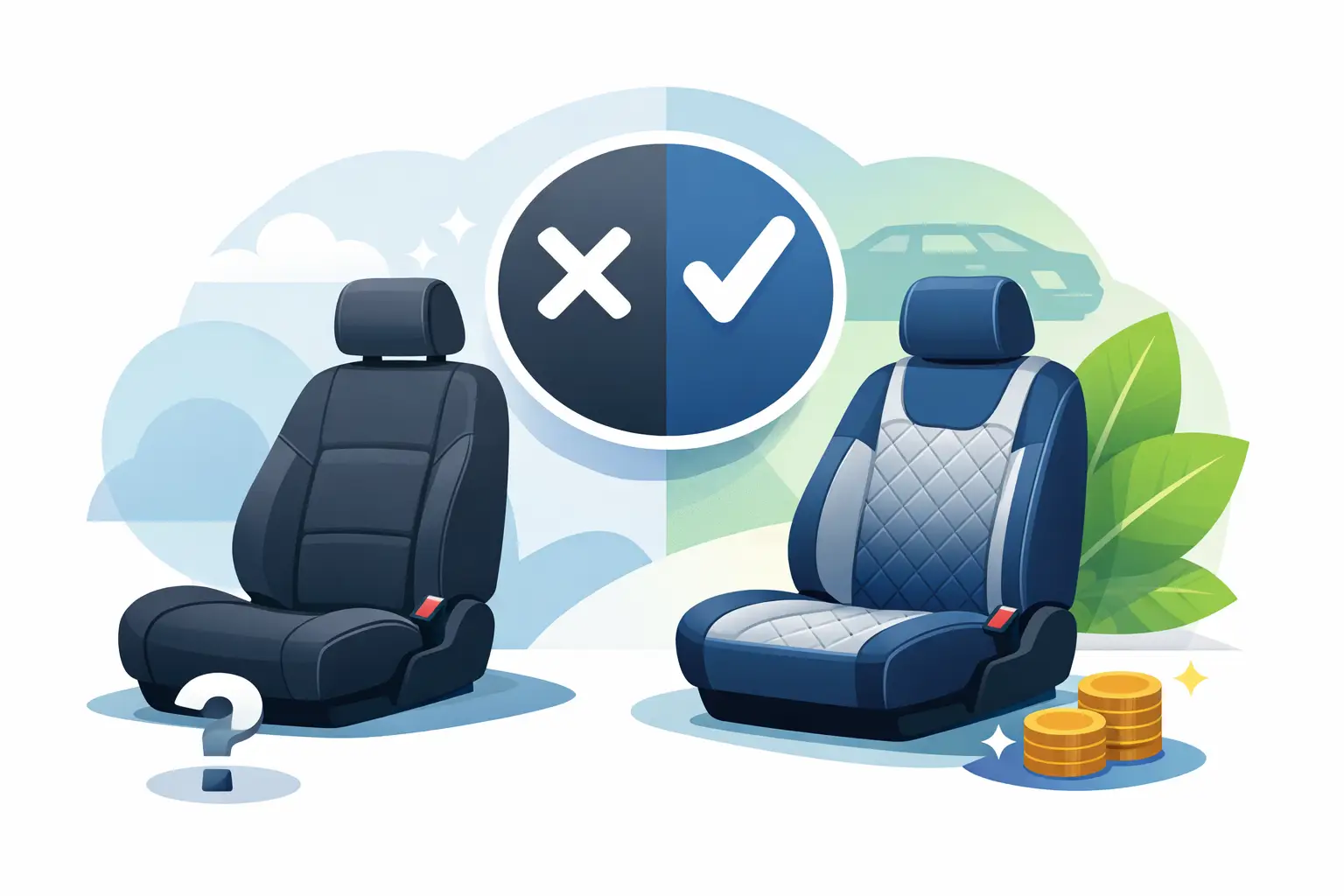
Spilled coffee on a clean car seat hurts a lot more when you know the stain is probably staying there. That is usually the moment people start asking, are seat covers worth it, or are they just another add-on that looks useful until checkout. For most drivers, the answer is yes – but only if you pick the right type for how you actually use your vehicle.
Seat covers can protect factory upholstery, make cleanup easier, refresh an older interior, and sometimes improve comfort. They can also be a waste of money if the fit is poor, the material feels cheap, or your seats already have features that do not pair well with universal covers. The real value comes down to your car, your daily routine, and what problem you want the covers to solve.
Are seat covers worth it for most drivers?
If your vehicle sees real life – kids, pets, takeout, work gear, gym clothes, muddy shoes, or long commutes – seat covers are often worth the cost. They act as a buffer between your original seats and the wear that slowly drags down appearance and value. Even basic covers can reduce damage from spills, friction, sweat, sun exposure, and pet claws.
That matters because replacing or professionally repairing factory upholstery is usually far more expensive than buying covers in the first place. If you plan to keep your car for years, protecting the interior helps it stay cleaner and feel newer. If you plan to sell or trade it later, better-looking seats can support stronger resale appeal.
For value-focused shoppers, that is the main argument. Seat covers are not only about style. They are often a lower-cost way to avoid higher-cost interior damage later.
When seat covers make the most sense
The best candidates for seat covers are drivers who use their vehicles hard. Families with small children get a clear benefit because crumbs, spills, markers, and sticky hands are hard on upholstery. Pet owners also see the upside quickly, especially if dogs ride often and shed, scratch, or track in dirt.
Commuters and rideshare drivers can also get good value from seat covers. Hours of daily sitting create wear patterns on the driver seat long before the rest of the interior starts to age. A cover can slow that down and help the cabin look more even over time.
Older vehicles are another strong case. If your seats already have fading, small tears, or worn fabric, covers can improve the look of the interior without the cost of reupholstery. That is especially useful if you want a cleaner cabin feel without taking on a bigger upgrade.
There is also a practical case for work vehicles. If you regularly carry tools, equipment, uniforms, or anything dirty, water-resistant or heavy-duty covers are often money well spent. They make cleanup faster and take some stress out of everyday use.
When seat covers may not be worth it
Seat covers are not an automatic win in every situation. If you rarely drive, keep your vehicle in excellent condition, and do not deal with pets, kids, food, or outdoor mess, you may not need them. In that case, the factory seats may hold up just fine with routine cleaning.
They can also be a poor choice if you buy the wrong fit. Loose covers slide around, bunch up, and make the seat less comfortable. They can look worse than the original upholstery and make the interior feel cheap. That is usually where people regret the purchase – not because seat covers are a bad idea, but because the product was not right for the vehicle.
Some newer vehicles also have seat-integrated airbags, heated seats, ventilated seats, or special seat contours that require compatible designs. If a cover interferes with those features, the trade-off may not be worth it. Compatibility matters just as much as appearance.
Protection is the biggest reason people buy them
Most people do not shop for seat covers because they love the idea of installing fabric over fabric. They buy them because replacement seats are expensive and stains are annoying. That practical logic is what makes seat covers appealing.
A good cover helps protect against the most common interior damage. Daily friction from getting in and out of the car wears down bolsters. Sunlight can fade material over time. Sweat and body oils can discolor lighter seats. Food, drinks, and wet clothing create stains and odors that are not always easy to remove.
With the right material, a cover takes that abuse instead of the original upholstery. Many can also be removed for cleaning, which is a lot easier than trying to deep clean a factory seat in place. For busy drivers, that convenience alone can justify the purchase.
Comfort and appearance matter too
Protection is the practical benefit, but comfort and style are often part of the decision. Some factory seats run too hot in summer, too cold in winter, or just feel rough after long drives. A seat cover can change that feel depending on the material.
Appearance also matters, especially if the seats are worn or the interior feels dated. Covers can give the cabin a cleaner, more put-together look without a major spend. That does not mean every cover improves the interior. Cheap materials and poor stitching usually do the opposite. But well-matched covers can make an older vehicle look noticeably better.
For shoppers who want a quick interior refresh, this is one of the easier upgrades to consider. It is simpler than replacing seats and more visible than many other accessories.
Material choice affects whether seat covers are worth it
If you are deciding whether seat covers are worth it, the material is a big part of the answer. Different materials solve different problems.
Neoprene and other water-resistant options are a smart pick for active drivers, pet owners, and anyone dealing with spills or wet clothing. They focus on protection and cleanup. Leather-look materials are popular for appearance and easier wipe-downs, though comfort can vary with temperature. Fabric covers can feel softer and more breathable, which some drivers prefer for everyday use.
Heavy-duty styles work well in trucks and work vehicles where durability matters more than a premium finish. Softer, more tailored options make more sense for commuters and family SUVs where appearance and comfort are both priorities.
The point is simple: a seat cover is only worth it if the material matches your routine. Buying based on looks alone often leads to disappointment.
Universal vs. custom fit
Fit can make or break the experience. Universal seat covers are usually more affordable and easier to shop for, which makes them attractive for budget-conscious buyers. They can work well enough in many vehicles, especially if you want basic protection at a lower price.
Custom-fit covers cost more, but they generally look better, stay in place more effectively, and work more cleanly with the seat shape. If you care about appearance, spend a lot of time in your car, or want the covers to feel like a natural part of the interior, custom fit is often the better value.
That is one place where shopping a broad automotive selection helps. A retailer with more options makes it easier to compare materials, fit styles, and price points without turning the process into a chore.
So, are seat covers worth it for the money?
For many drivers, yes. They are usually worth it if they help you avoid stains, slow down wear, simplify cleanup, or improve the look of aging seats. They are especially useful when your vehicle doubles as a family hauler, pet taxi, work truck, or daily commuter.
But they are not magic. The wrong material, a poor fit, or a design that clashes with your seat features can turn a smart buy into a frustrating one. The best approach is to decide what matters most to you – protection, comfort, style, or resale value – and choose accordingly.
If you want a low-drama upgrade that can save wear and keep your cabin looking better for longer, seat covers are often a practical buy. And when you can compare multiple styles and price points in one place, like at Vespena, it is much easier to find an option that fits both your vehicle and your budget.
A good seat cover should make owning your car easier, not just different – and that is usually the clearest sign it is worth it.












Leave a comment