


10 Best Steering Wheel Covers to Buy
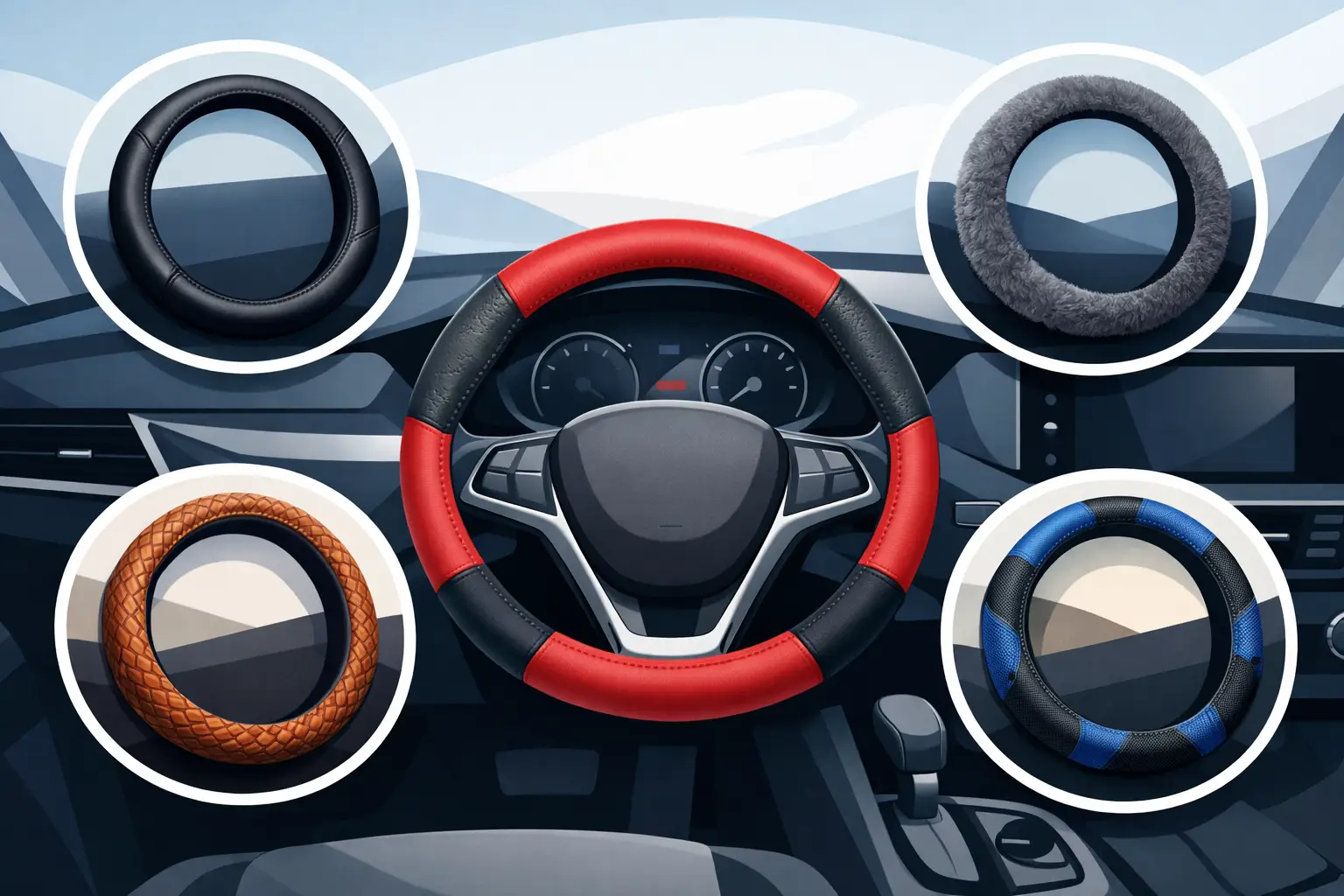
A steering wheel that feels too hot in summer, too cold in winter, or just plain worn out can make every drive less comfortable than it should be. The best steering wheel covers fix that fast – adding grip, protecting the wheel underneath, and giving your interior a cleaner, more finished look without a major upgrade.
What makes the best steering wheel covers worth buying
A good steering wheel cover does three jobs at once. It improves comfort in your hands, helps you maintain a confident grip, and protects the original wheel from oils, sun damage, cracking, and everyday wear. For many drivers, that alone is enough reason to add one.
There is also the style factor. If your cabin feels dated or your factory wheel looks tired, a cover can change the look of the driver area in minutes. That matters because the steering wheel is one of the few parts of the car you see and touch every time you drive.
The trade-off is simple. A low-quality cover can feel bulky, slip during turns, or wear out quickly. That is why the best option is not always the cheapest one on the page. Fit, material, texture, and thickness all matter more than flashy packaging.
Best steering wheel covers by material
Material is usually the fastest way to narrow down your options. Each type gives you a different balance of price, feel, durability, and appearance.
Leather and faux leather
Leather-style covers are popular because they look clean and feel familiar to most drivers. Genuine leather usually lasts longer and develops a softer feel over time, while faux leather is easier on the budget and often simpler to clean. If you want an everyday upgrade that looks polished without drawing too much attention, this is the safe choice.
The main thing to watch is surface texture. Some smooth leather-look covers can feel slick, especially in humid weather. A perforated finish or lightly textured grip tends to work better for daily driving.
Microfiber and suede-style covers
These covers are often chosen for a sportier feel. They usually offer better grip than smoother leather surfaces and can feel more secure during longer drives or tighter turns. Drivers who want a more performance-inspired interior often prefer this category.
The downside is maintenance. Suede-style and microfiber materials can show dirt faster and may need more regular cleaning to keep their appearance. If convenience is your top priority, leather-style materials are usually easier to live with.
Rubber and silicone blends
If grip matters more than looks, rubberized covers deserve a close look. They are practical, usually affordable, and often hold up well in changing weather. They also tend to stay in place better when installed correctly.
These are a smart pick for commuters, rideshare drivers, and anyone who wants a dependable cover without paying for premium finishes. The visual style is more functional than upscale, so it depends on whether appearance or utility matters more to you.
Fabric and plush covers
Soft fabric covers are all about comfort. Some drivers love them in colder climates because they do not feel icy on winter mornings. Others choose them for a softer, cushioned grip.
Still, they are not for everyone. Plush or fuzzy styles can look less refined, and some can wear down faster with heavy use. They work best when comfort is the priority and the look matches your interior.
How to choose the best steering wheel covers for your car
The easiest mistake is buying based on appearance alone. A steering wheel cover can look great in photos and still be the wrong pick if the fit or feel is off.
Start with steering wheel size
Most covers are designed around standard steering wheel diameters, often in the 14.5 to 15.5 inch range for many passenger vehicles. Before buying, measure your wheel from one outer edge straight across to the other. Also check the grip thickness of the wheel itself, because some covers fit standard diameters but work better on thinner or thicker wheels.
A proper fit should be snug. If the cover goes on too easily, that is not always a good sign. You want it tight enough that it does not shift in normal driving.
Think about driving comfort
Some drivers want extra cushioning. Others want the wheel to feel close to factory thickness. If a cover is too padded, it can make the wheel feel oversized and awkward, especially for drivers with smaller hands. If it is too thin, you may not notice much improvement at all.
This is where personal preference really matters. Daily commuters may want softness and heat protection, while drivers focused on handling may prefer a thinner, grippier surface.
Match the interior without overdoing it
Black is the easiest match and usually the safest choice for resale-friendly style. Gray, tan, and beige can blend well with lighter interiors. Red stitching, carbon-look panels, or bright accent colors can add personality, but they work best when they tie into the rest of the cabin.
If your goal is a cleaner interior, simple usually wins. If your goal is personalization, a bolder design may make more sense.
Check installation style
Most steering wheel covers are slip-on designs, but not all are equally easy to install. A tight fit is good once the cover is on, but some require more hand strength and patience than buyers expect. Warming the cover slightly before installation can help, especially with thicker materials.
There are also stitch-on styles that wrap more like a custom skin. These can look excellent and feel more tailored, but they take longer to install. For quick convenience, slip-on covers are the better fit for most shoppers.
Features that separate a decent cover from a great one
Grip texture is one of the biggest details to compare. A textured side panel, thumb grip area, or perforated section can make a big difference in comfort and control. This is especially useful if you spend a lot of time on the road.
Heat and cold resistance matter too. If your car sits outside often, your steering wheel takes a beating from temperature swings. A cover that reduces surface heat in summer and harsh cold in winter can make everyday driving more comfortable right away.
Odor is another factor people overlook. Some lower-priced materials can have a strong synthetic smell when first opened. That usually fades, but better-quality covers often arrive with less odor and a more refined finish.
Durability shows up in the stitching, inner lining, and how well the material resists peeling or cracking. If you are shopping for value, this is where the real savings are. A cover that lasts through daily use is a better buy than one that needs replacing after a short time.
Who should buy which type
If you are replacing a worn factory wheel and want a simple visual refresh, a leather-style cover is usually the best all-around choice. It looks clean, works in most interiors, and gives a balance of comfort and durability.
If you drive long hours, grip-focused microfiber or rubberized options may be the better move. They tend to feel more secure and can reduce that slick feeling some smooth covers develop over time.
If budget is the main priority, there are plenty of affordable covers that still deliver good protection and comfort. The key is avoiding overly loose fits and overly glossy finishes that can feel cheap in hand.
If you enjoy customizing your interior, look for covers with contrast stitching, performance styling, or unique textures. This is one of the easiest automotive accessories to change out, so it is a low-commitment way to personalize your cabin.
Shopping tips for getting the right value
The best purchase is usually the one that fits your vehicle, your driving habits, and your budget at the same time. Instead of chasing the most expensive option, compare material, sizing, and finish first. That is where real day-to-day satisfaction comes from.
It also helps to shop from a retailer with broad selection, clear product details, and easy ordering. With a large range of automotive accessories in one place, Vespena makes it easier to compare styles and practical features without jumping between specialty stores.
If you are buying for a family vehicle, commuter car, or work truck, focus on comfort and durability. If you are shopping for a weekend car or appearance upgrade, style may carry more weight. Neither approach is wrong – it just depends on what you want the cover to do.
A steering wheel cover is a small purchase, but it changes one of the most used contact points in your vehicle. Choose one that feels right every time you pull out of the driveway, and you will notice the upgrade long after the packaging is gone.












Leave a comment