


Best Sunglasses for Driving: What to Buy
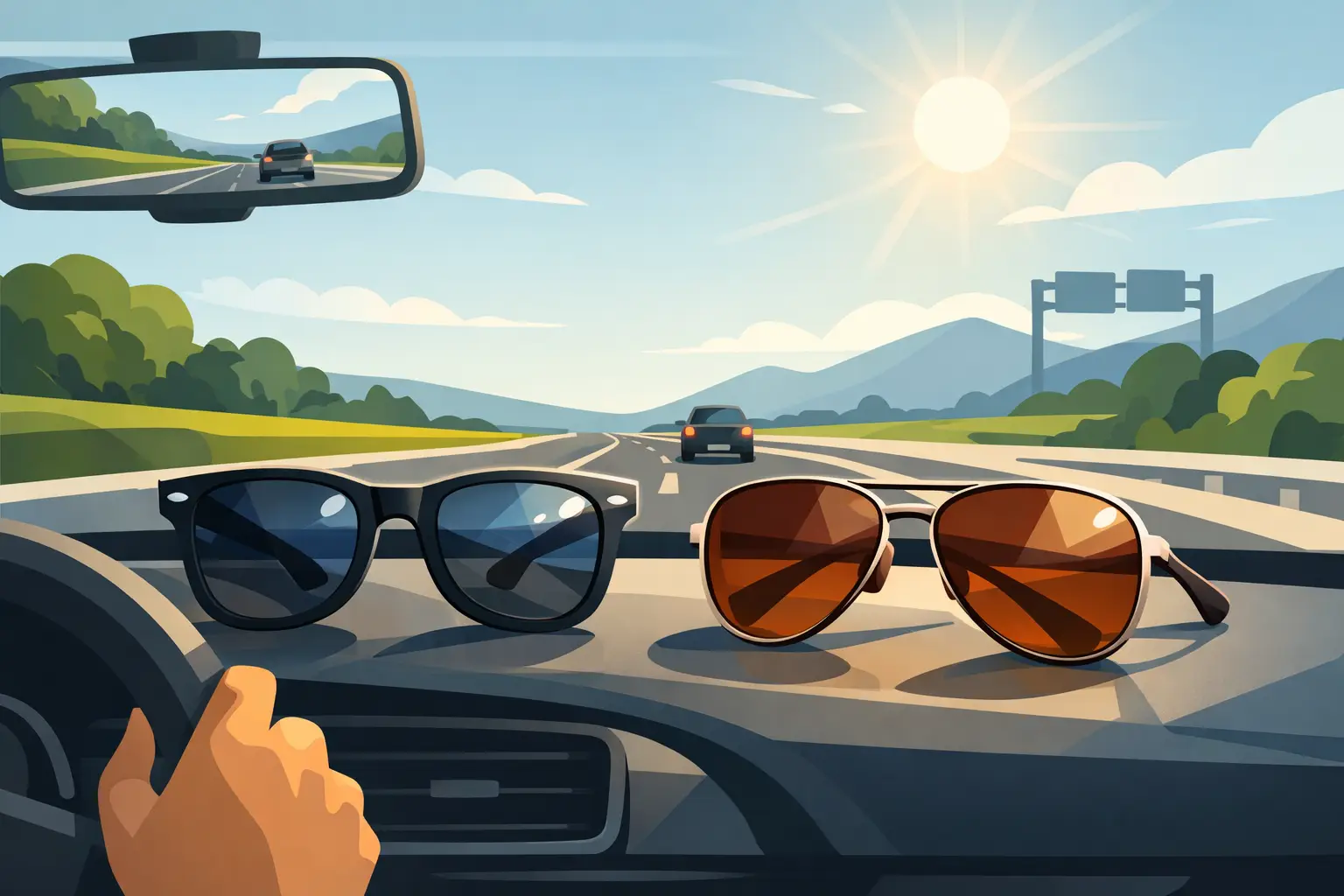
Glare hits hardest when you are already paying attention to everything else – traffic, brake lights, lane changes, and the sun bouncing off the hood in front of you. That is exactly why choosing the best sunglasses for driving is less about fashion and more about comfort, visibility, and safer time behind the wheel.
A good pair should help you see the road clearly without making dashboards too dark or traffic signals harder to read. The wrong pair can do the opposite. Very dark lenses, poor fit, or heavy distortion at the edges can make driving more tiring than it needs to be. If you want a pair that works for daily commutes, road trips, and changing light conditions, a few features matter more than brand names alone.
What makes the best sunglasses for driving?
The best driving sunglasses reduce glare, keep colors natural enough to read the road, and stay comfortable for long stretches. That sounds simple, but not every lens is built for that job.
When you drive, you are not just blocking sunlight. You are managing contrast. You need to pick up lane markings, signs, brake lights, pedestrians, and changing road surfaces quickly. Sunglasses that look great at the beach may not perform as well in a car, especially if the lenses are too dark or too reflective from the inside.
For most drivers, the sweet spot is a pair with UV protection, moderate tint, solid optical clarity, and a frame that does not block too much side vision. Lightweight construction matters too. If your sunglasses pinch your nose or press into the sides of your head, you will feel it during a longer drive.
Lens color matters more than most shoppers expect
If you are comparing options, lens color is one of the first things to check. Different tints change how you perceive contrast and brightness.
Gray lenses are one of the safest all-around choices for driving. They reduce brightness without shifting colors too much, which helps when you need to judge traffic lights and road signs accurately. They tend to work well in bright midday sun and are a strong pick for drivers who want a neutral view.
Brown and amber lenses are also popular because they can improve contrast and depth perception. Many drivers like them for partly sunny days or variable conditions. They can make the road appear a little sharper, which is useful, but the color shift is more noticeable than with gray.
Yellow or very light amber lenses are often marketed for low light, but they are not ideal for bright daytime driving. They may boost contrast in some situations, yet they do not cut strong sunlight the way a proper medium tint does. Blue, red, or heavily mirrored fashion tints are usually better left out of the driving category unless they are specifically designed for road use.
Should driving sunglasses be polarized?
In many cases, yes. Polarized lenses can be an excellent choice because they cut reflected glare from flat surfaces like wet roads, windshields, and the hoods of other vehicles. That reduction in glare can make driving feel noticeably easier, especially on bright afternoons or during long highway stretches.
There is a trade-off, though. Some polarized lenses can make it harder to read certain digital dashboards, infotainment screens, or phone displays depending on the angle. If your vehicle has a digital instrument cluster or you rely on a built-in navigation screen, this is worth checking before you commit.
That does not mean polarized lenses are a bad idea. For many drivers, they are still among the best sunglasses for driving because glare reduction is such a real benefit. It just depends on your car and how much screen visibility matters to you.
How dark should driving lenses be?
Darker is not always better. Very dark lenses can feel appealing in harsh sun, but they may reduce visibility too much when you enter shaded streets, parking garages, tunnels, or late afternoon conditions.
A medium tint is usually the best balance for daytime driving. It cuts brightness while keeping enough detail visible in changing light. If you only own one pair for the car, this is usually the most practical route.
If you often drive early in the morning, at sunset, or through mixed light conditions, avoid anything excessively dark. Road visibility changes fast, and your sunglasses should help you adapt rather than force your eyes to work harder.
Why optical clarity is a big deal
Not all lenses are equally sharp. Cheap lenses can create subtle distortion around the edges, and that matters more in a car than it does while walking around outdoors. When you are checking mirrors, scanning blind spots, or watching cars in adjacent lanes, clean optics make a difference.
Look for lenses that provide a clear, undistorted view from edge to edge. Polycarbonate lenses are common and lightweight, which is great for comfort and impact resistance. Higher-grade materials can offer better visual sharpness, but for most everyday drivers, the biggest win is avoiding lenses that warp your field of view.
Anti-reflective coating on the back side of the lens can also help. It reduces light bouncing into your eyes from behind, which becomes more noticeable when the sun is at an angle or when light enters from side windows.
Frame shape and fit affect how they perform
A driving pair needs to stay put and feel comfortable for more than a quick errand. Fit matters just as much as lens choice.
Frames that are too large can slide down your nose or interfere with your peripheral vision. Frames that are too small may let in too much stray light from the sides. The best fit is secure without pressure, with enough coverage to reduce side glare while still giving you a wide, natural view of the road.
Slim temples are especially useful if you wear your sunglasses with a hat or if your vehicle seat and headrest encourage a straight head position. Thick temple arms can create pressure points during long drives and may not sit as comfortably under a cap.
If you wear prescription glasses, driving sunglasses should work with your setup rather than against it. Prescription sunglasses are often the cleanest option, but fit-over styles can work well too if convenience and value are the priority.
Best sunglasses for driving in different conditions
The right pair depends partly on when and where you drive.
For bright midday commuting, gray polarized lenses are a dependable choice. They keep colors natural, reduce strong glare, and work well for most common road conditions.
For mixed weather or changing skies, brown or amber lenses can be a smart option. They often make contrast stand out more clearly, which some drivers prefer on suburban roads, backroads, or during long-distance travel.
For frequent highway driving, comfort becomes a major factor. Lightweight frames, glare control, and minimal distortion matter more the longer you are in the driver’s seat.
For city driving, a moderate tint is usually better than a very dark one. You move in and out of shadows, parking structures, and reflective surroundings more often, so flexibility helps.
Features worth paying for and features you can skip
UV400 protection is a must. That is non-negotiable. It helps protect your eyes from harmful UVA and UVB rays during regular daytime driving.
Polarization is often worth the added cost if glare is a problem on your routes. Scratch-resistant coatings are also a practical upgrade because sunglasses stored in a glove box or center console tend to take abuse over time.
You do not always need designer branding, extreme mirrored finishes, or overly specialized sport styling unless that is your preference. For most shoppers, the real value is in lens performance, comfort, and price that feels reasonable for daily use. A dependable pair you actually keep in the car and wear consistently beats a premium pair that stays in its case.
Common mistakes when buying driving sunglasses
Many shoppers buy based on appearance first, then realize the pair is not comfortable in the car. That is common with oversized fashion frames or extra-dark lenses.
Another mistake is assuming all polarized lenses behave the same way. If your dashboard display matters, test compatibility when possible. It is also easy to overlook fit with hats, prescription eyewear, or longer drives.
Finally, do not confuse general outdoor sunglasses with true driving-friendly performance. A pair can be stylish and still fall short on optical clarity, glare reduction, or color accuracy.
How to shop smarter for a pair you will actually use
Start with your driving habits. If you mostly drive in strong daylight, go with a medium gray or brown lens and prioritize glare control. If your routes include a lot of reflective pavement or water nearby, polarization deserves a closer look.
Then think about comfort. Lightweight frames, a secure fit, and durable lenses usually deliver better everyday value than trend-driven details. For shoppers who want convenience, broad selection, and practical pricing in one place, it makes sense to compare styles by lens type, frame shape, and daily-use features instead of chasing hype.
The best sunglasses for driving are the ones that help you see clearly, feel comfortable, and stay focused every time you get on the road. Buy for the drive you actually take, not just the look you like in the mirror.












Leave a comment