


9 Car Lighting Upgrade Examples to Consider
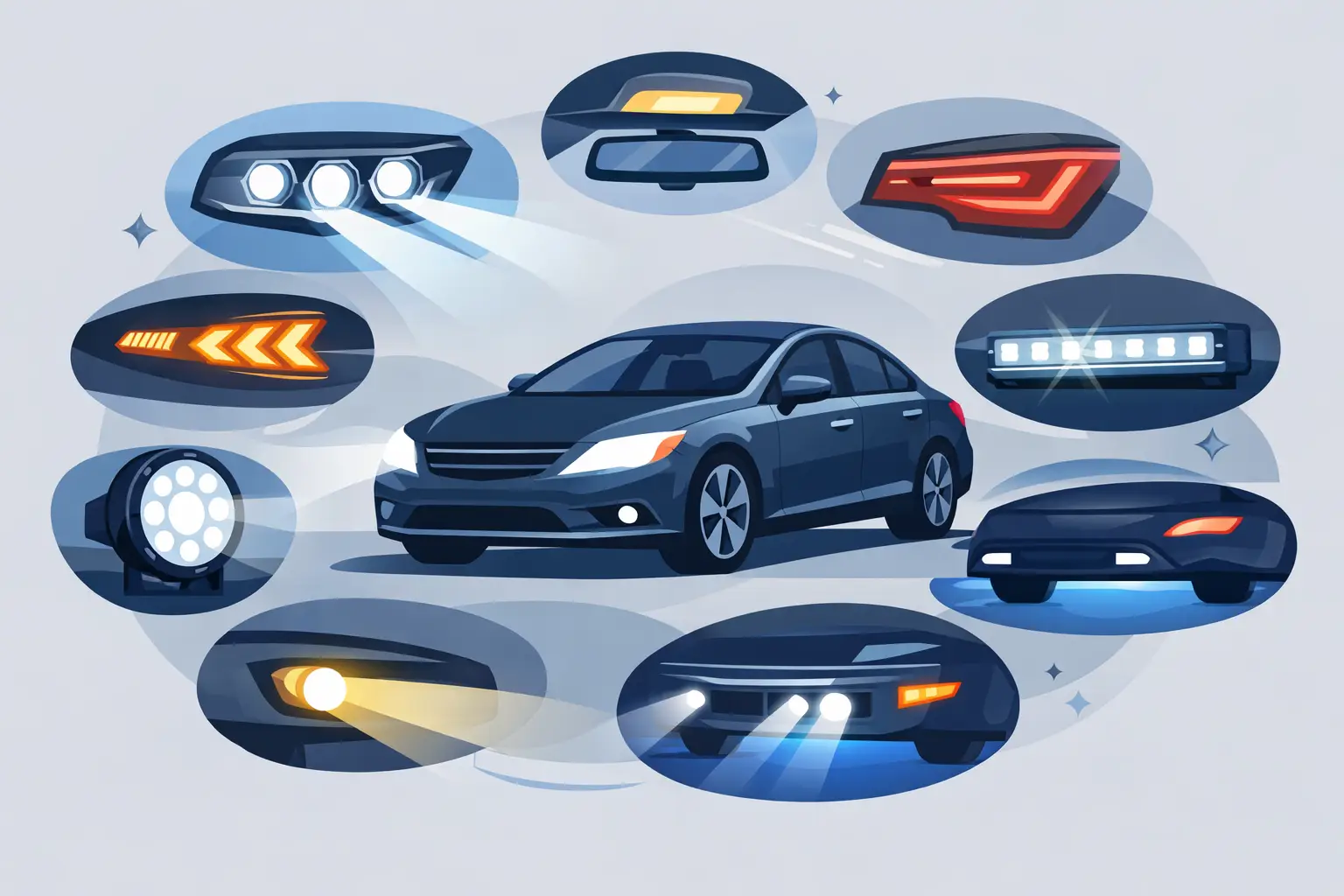
A weak factory headlight setup usually shows its flaws at the worst time – on a dark commute, in heavy rain, or on a road with no streetlights. That is why car lighting upgrade examples are so useful to compare before buying. Some upgrades make nighttime driving easier, some sharpen your car’s look, and some do both without turning the install into a weekend project.
If you are shopping for lighting upgrades, the best choice depends on how you use your vehicle. A daily driver needs dependable visibility and simple fitment. A show car or enthusiast build may put more weight on appearance. And if you want the most value, it helps to focus on upgrades that deliver a noticeable difference without creating wiring headaches or legal issues.
Car lighting upgrade examples that make the biggest difference
One of the most common places to start is with headlight bulbs. Replacing tired halogen bulbs with fresh, higher-output halogen options is often the simplest upgrade. It is affordable, usually easy to install, and can restore lost brightness if your current bulbs have dimmed over time. This is a practical move for drivers who want better road visibility without changing housings or modifying the vehicle.
A step up from that is an LED headlight conversion, but this is where fit and beam pattern matter. LED bulbs can look brighter and whiter, and many drivers like the cleaner, more modern appearance. The trade-off is that not every headlight housing is designed for LED output. In some vehicles, the result is a scattered beam or glare for other drivers. If you are considering this option, compatibility matters more than raw brightness claims.
Another strong example is upgrading the full headlight assembly instead of only the bulb. Projector-style housings, smoked housings, or blacked-out designs can completely change the front-end look of a car or truck. In the right setup, a quality housing upgrade can also improve beam control. This option usually costs more than a bulb swap, but it can be a better long-term choice if your factory housings are faded, cracked, or poorly designed.
Fog lights are another upgrade that makes sense for many drivers. If your vehicle already has fog lights, switching to brighter or more modern replacements can improve low-road illumination in bad weather. If your trim level does not include them, adding a fog light kit can bring both style and function. Just keep expectations realistic – fog lights help in specific conditions, but they are not a substitute for strong headlights.
Taillight upgrades are popular because they combine safety and styling in one change. Brighter LED taillights can improve rear visibility, especially in traffic or poor weather. Many drivers also prefer the instant-on response of LEDs when braking. On the appearance side, tinted, clear, or custom-sequence taillights can refresh an older vehicle quickly. The main caution here is legality. Some heavily tinted lenses look great in photos but reduce visibility on the road.
Interior lighting is often overlooked, but it is one of the easiest ways to make a vehicle feel newer. Swapping dim yellow dome, map, and trunk lights for LED replacements gives the cabin a cleaner and brighter look. It is a small upgrade, but it improves everyday convenience when you are looking for items at night or loading cargo. For value-focused shoppers, this is one of the lowest-cost upgrades with an immediate payoff.
Accent lighting is another category drivers consider when they want more personality. Examples include grille lights, under-dash ambient lighting, footwell kits, and rock lights for trucks and off-road builds. These upgrades are mostly visual, although some off-road lighting has a practical side. The trade-off is that accent lighting can go from tasteful to excessive pretty fast. It tends to work best when it matches the vehicle style instead of competing with it.
Daytime running light upgrades are also worth a look. Some drivers want brighter DRLs for a more current appearance, while others replace worn-out factory units that have become dull or discolored. On many modern vehicles, DRLs are a noticeable design feature, so an upgrade can make the front end look sharper even during the day. As with headlights, proper fit and compliance should come first.
License plate lights and side marker lights may seem minor, but they can finish off the overall look. These small pieces often age badly, turning yellow, dim, or inconsistent. Upgrading them to fresh LED units creates a more uniform appearance across the whole vehicle. This type of change will not transform nighttime driving, but it can make the car look cleaner and better maintained.
How to choose between car lighting upgrade examples
The right upgrade starts with your goal. If you mainly want better visibility, focus on headlights, fog lights, and taillights. If your main priority is appearance, headlight housings, DRLs, and accent lighting may give you a bigger visual return. If you want a low-cost refresh, interior LEDs and side marker replacements are easy places to start.
Budget also matters, and not every expensive option is the best value. A premium full housing conversion can look great, but a simple high-quality halogen bulb replacement may be the smarter buy for a commuter car. On the other hand, if your housings are already oxidized or outdated, spending a little more on a full assembly may save time and improve the final result.
Vehicle type should guide the decision too. A truck owner may get more use from fog lights, cab lights, or off-road auxiliary lighting. A sedan owner may care more about headlight clarity, taillight design, and interior lighting. A sports car owner may prioritize the visual impact of projector housings or smoked taillights. There is no single best setup for every driver.
Fit, legality, and install matter more than hype
Lighting products are easy to oversell because brighter numbers and aggressive styling catch attention fast. What matters more is whether the part actually fits your vehicle and performs the way you expect. A bulb that claims extreme brightness is not automatically better if it creates glare, throws warning codes, or overheats in a tight housing.
Legality is another point that buyers should not skip. Headlights, taillights, side markers, and accent lighting can all be subject to state and local regulations. Blue, red, or heavily tinted lights may cause trouble depending on where and how they are used. A good-looking upgrade is only worth it if you can use it confidently on the road.
Installation effort varies a lot. Some interior and marker light swaps take minutes. A full headlight assembly replacement or auxiliary light setup may involve wiring, brackets, and extra components. If convenience matters, it usually makes sense to shop for vehicle-specific parts designed for a straightforward install instead of forcing a universal option to work.
A practical way to shop for lighting upgrades
The easiest way to avoid frustration is to build your shortlist around your vehicle, your budget, and your main goal. Start with the area you notice most while driving or the part of the vehicle that looks most dated. Then narrow your options by compatibility and the kind of upgrade you actually want – function, style, or a mix of both.
For many shoppers, the smartest order is simple. Start with headlights or taillights if safety and visibility are the priority. Add interior LEDs if you want a quick, affordable refresh. Then move into housings, DRLs, or accent lighting if you want more of a custom look. This keeps the process manageable and helps you see value at every step.
A broad online selection also makes comparison easier, especially when you want parts for different vehicle brands without jumping between specialty sites. Stores with a wide mix of practical replacements and enthusiast-style upgrades can save time and make it easier to match lighting products with the rest of your build or maintenance list.
Good lighting upgrades do not have to be complicated. The best ones fit your vehicle properly, improve how it looks or performs, and feel worth the price every time you drive. If you start with the upgrade you will notice most, the rest of the project usually gets a lot easier.










Leave a comment