


Car Seat Covers: What to Buy and Why
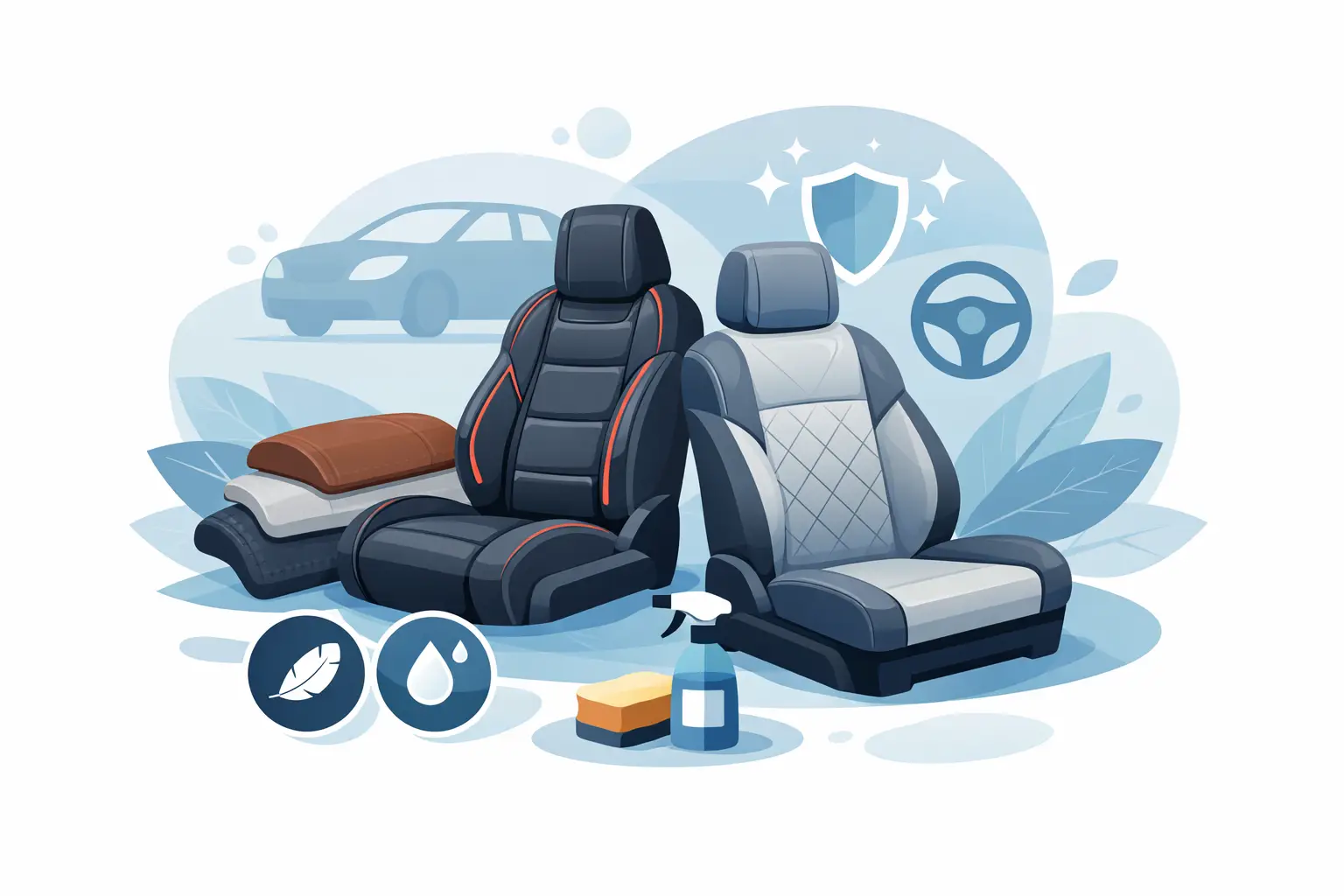
A torn driver seat, muddy paw prints, spilled coffee, fading from sun exposure – most people start looking at car seat covers after the damage is already happening. The good news is that the right cover can do more than hide wear. It can protect your interior, make cleanup easier, and give your cabin a cleaner, more finished look without the cost of replacing upholstery.
Why car seat covers are worth it
For everyday drivers, car seat covers are one of the easiest interior upgrades to justify. They protect factory seats from stains, sweat, pet hair, work gear, and daily friction from getting in and out of the vehicle. If you use your car for commuting, school drop-offs, weekend projects, or rides with kids and pets, that extra layer matters.
They also help if your current seats already show age. A good set can refresh the look of the cabin and cover cracked fabric, worn bolsters, or discoloration that makes the interior feel older than the vehicle really is. That does not mean every cover is a perfect fix. If the seat foam underneath is damaged or the upholstery is heavily torn, a cover improves appearance but will not fully restore comfort.
For many shoppers, the appeal is simple: lower cost than reupholstering, faster installation, and more style choices. That balance of value and convenience is exactly why these products stay popular across trucks, SUVs, sedans, and daily-use family vehicles.
Fit matters more than most shoppers expect
When comparing car seat covers, the first real decision is fit. This affects appearance, comfort, and how well the cover stays in place over time.
Universal-fit covers are the easiest starting point. They are designed to work across many seat shapes and vehicle types, which makes them a practical option for shoppers who want something affordable and quick to install. If your goal is basic protection for a daily driver, universal styles can get the job done.
That said, universal fit usually comes with compromise. You may see extra material, a looser profile, or openings that do not line up perfectly with headrests and seat contours. For some buyers, that is acceptable. For others, especially anyone focused on a more polished interior, custom or semi-custom fit makes a visible difference.
Custom-fit covers are shaped around specific seat dimensions and vehicle configurations. They generally look cleaner, stay put better, and feel closer to factory upholstery. They also tend to cost more. If you spend a lot of time in your vehicle or care about appearance as much as protection, the higher price often makes sense.
Choosing the right material for your routine
Material is where convenience really shows up. Different fabrics and finishes perform better depending on how you use your vehicle.
Neoprene is a strong choice for active lifestyles. It resists moisture well and works nicely for drivers dealing with gym clothes, beach days, rainy weather, or frequent spills. It usually has a thicker feel and a bit of cushioning, which some people like for comfort. The trade-off is that it can feel warmer in hot weather and may cost more than basic fabric options.
Polyester and cloth blends are common for a reason. They are usually budget-friendly, come in a wide range of colors and patterns, and offer straightforward everyday protection. These are often the easiest picks for commuters, family vehicles, and shoppers who want a quick style update without overspending. On the downside, lower-end fabric covers can shift around more and may not resist heavy wear as well as premium materials.
Leatherette or faux leather appeals to buyers who want a sharper, upgraded look. It wipes down easily, which is useful if you have kids, pets, or a habit of eating in the car. It can make an older interior feel more refined at a manageable price. Still, comfort depends on climate. In very hot or very cold conditions, synthetic leather surfaces may not feel as pleasant as softer fabric options.
Canvas and heavy-duty materials are built for tougher use. These work well in trucks, work vehicles, and outdoor-focused setups where dirt, tools, and rough clothing are part of daily life. They prioritize durability over a soft, upscale feel, which is the right trade if protection is your top concern.
Car seat covers for families, pets, and work vehicles
The best cover depends on what your day actually looks like. A parent with car seats and snack messes needs something different from a contractor driving to job sites. A dog owner hauling fur and muddy paws needs different features than someone simply trying to keep a leased vehicle in better shape.
For family vehicles, easy-clean surfaces are usually the smart move. You want a cover that can handle crumbs, spills, and frequent use without becoming a project every weekend. Fabric can work, but wipeable finishes often save more time.
For pet owners, grip and coverage are just as important as material. A slick surface may be easy to clean, but if it lets your dog slide around, it may not be the best choice. Rear seat protection, scratch resistance, and fast cleanup should lead the decision.
For trucks and work vehicles, durability comes first. If you climb in with dusty clothes, tools, or wet gear, lighter decorative covers may wear out quickly. Heavier-duty materials with reinforced stitching usually hold up better and look better longer.
Style counts too – and that is not a bad thing
A lot of shoppers start with protection but end up buying for appearance as well. That makes sense. The interior is where you spend your time, and car seat covers can change the look of the cabin faster than most other accessories.
If you prefer a clean factory-style appearance, neutral colors and tailored designs are usually the safest option. Black, gray, tan, and solid-tone finishes tend to work across a wide range of interiors. They also age better if your taste changes later.
If you want more personality, there are plenty of options with contrast stitching, two-tone panels, sporty textures, or rugged patterns. These can work especially well in enthusiast vehicles, trucks, and SUVs where owners want more than basic protection. The key is balance. A bold pattern can look great in the right cabin, but in some interiors it may feel mismatched after the novelty wears off.
What to check before you buy
A cover can look great in photos and still be wrong for your vehicle. Before ordering, check your seat configuration carefully. Split bench seats, rear armrests, removable headrests, and integrated seat features all affect compatibility.
Airbag compatibility is especially important. Modern vehicles often have side airbags built into the seats, so covers need to be designed to accommodate that. This is not an area for guesswork. Product details should clearly state compatibility.
Also look at how the cover installs and secures. Straps, buckles, and anchor systems can make a big difference in day-to-day satisfaction. A cover that constantly bunches up or slides out of place gets annoying fast, even if the material itself is solid.
Care requirements matter too. Some covers wipe clean in seconds, while others need more involved washing or spot treatment. If convenience is your priority, choose a material that fits the amount of maintenance you are realistically willing to do.
Shopping smart for value
Price matters, but the cheapest option is not always the best deal. If a low-cost set fades quickly, slips around, or tears under normal use, you are replacing it sooner than expected. On the other hand, the most expensive cover is not automatically the right pick either if your needs are basic.
A better approach is to match the product to your routine, your vehicle, and your expectations. Daily commuter? A clean-looking fabric or faux leather set may be enough. Pet owner or parent? Focus on wipeability and coverage. Truck owner or outdoor user? Lean toward heavy-duty construction.
That is where a broad online selection helps. When you can compare styles, materials, and fit options in one place, it is easier to find the right balance of protection, appearance, and price without spending hours jumping between specialty stores. For shoppers who want convenience and variety, that straightforward buying experience is part of the value.
The right car seat covers should make ownership easier
Good car seat covers are not just about dressing up your interior. They should make everyday driving easier to live with, whether that means faster cleanup, better protection, or a cabin that feels more put together every time you open the door. If you choose based on how you actually use your vehicle, not just what looks best in a product photo, you will end up with something that works harder and lasts longer.











Leave a comment