


A Complete Guide to Body Kits
That first glance matters. A body kit can turn an ordinary daily driver into something sharper, lower, and more customized, but the wrong kit can also create fitment headaches, extra costs, and a look that misses the mark. This complete guide to body kits is built for shoppers who want a cleaner buying decision, whether the goal is subtle styling, a sportier stance, or a more aggressive street look.
What a body kit actually includes
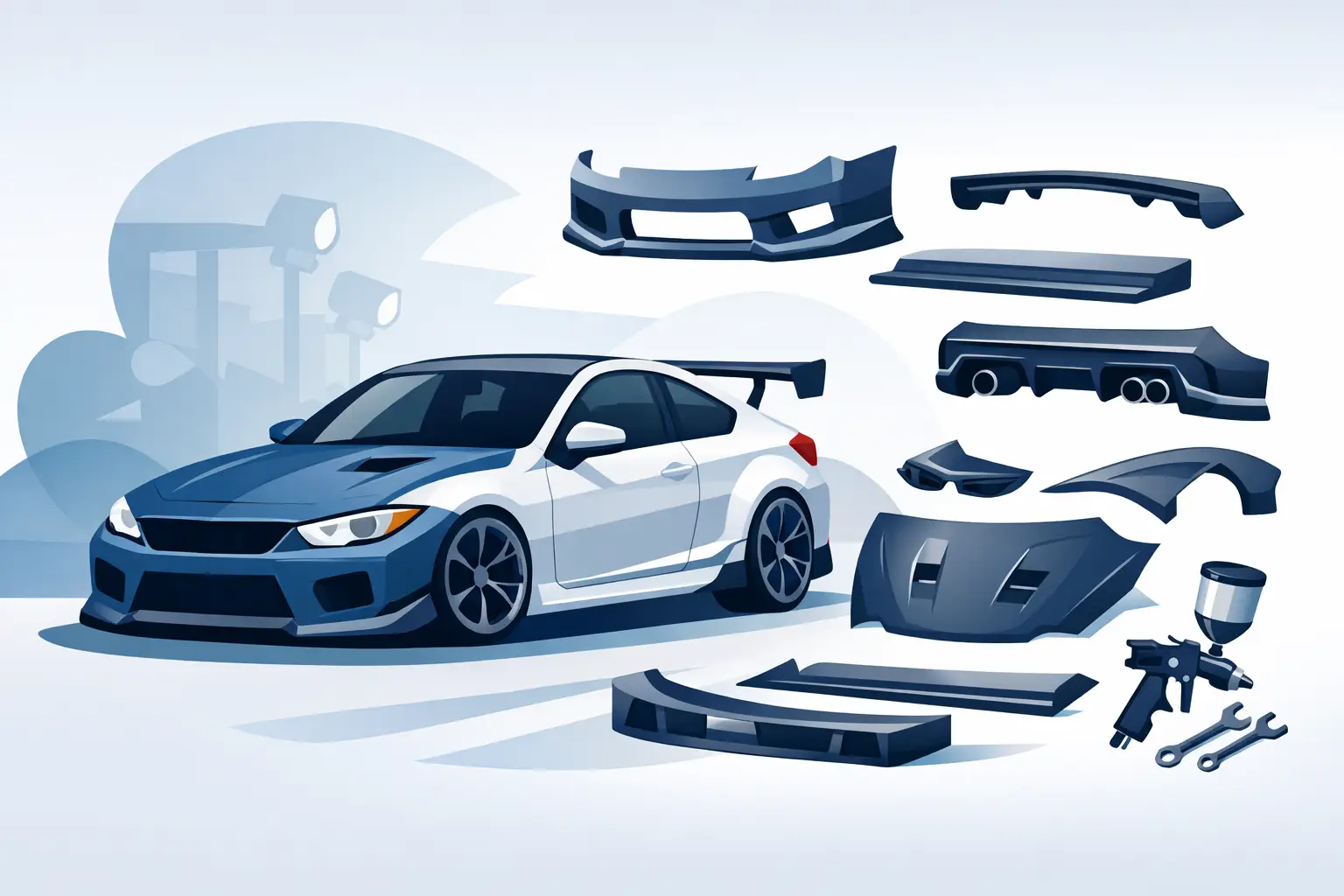
When people say body kit, they are usually talking about a coordinated set of exterior parts designed to change the look of a vehicle. In most cases, that means a front bumper or front lip, side skirts, and a rear bumper or rear diffuser-style piece. Some kits also include fender flares, spoilers, hood upgrades, grille pieces, or wider replacement panels.
The main point is visual transformation, but the exact package can vary a lot. Some kits are mild and factory-inspired, making the car look like a higher trim level. Others go much further and create a lowered, wider, or more track-focused appearance. Before you shop, it helps to know whether you want a full kit or just a few matched pieces that improve the profile without changing the vehicle too dramatically.
Complete guide to body kits: choosing the right style
The fastest way to narrow your options is to decide how far you want to go. A subtle kit usually works best for daily drivers, newer family sedans, and anyone who wants a polished upgrade without making the car harder to live with. These kits tend to have smoother lines, less ground-hugging geometry, and a closer-to-OEM appearance.
Aggressive kits are a different story. They often feature deeper front sections, sharper side skirts, larger vents, and more dramatic rear styling. They can look great on coupes, sport compacts, and enthusiast builds, but they are not always ideal for steep driveways, rough roads, or drivers who want low-maintenance ownership.
Widebody-style kits deserve their own category. These are designed to create a broader stance and can require more planning, more installation work, and sometimes wheel and tire changes to look right. If you like the wide, planted look, make sure you are ready for the added cost and setup details that come with it.
Material matters more than most shoppers expect
Body kits may look similar in photos, but the material changes both price and day-to-day ownership. Fiberglass is common because it is affordable and can be shaped into bold designs. The trade-off is that it can be more brittle and may require extra prep or adjustment during installation.
Polyurethane is a popular choice for drivers who want a little more flexibility and durability. It generally handles minor impacts better than fiberglass, which can make it a smart option for street-driven vehicles. The downside is that polyurethane parts can be heavier and sometimes cost more.
ABS plastic sits in a practical middle ground for many buyers. It is widely used in automotive applications, tends to offer solid durability, and often supports a cleaner fit on well-made kits. Carbon fiber is the premium option for buyers who want a lightweight, high-end look, but it usually comes with a much higher price and may be more about appearance than value for the average street build.
If your priority is affordability, fiberglass may still make sense. If your priority is easier daily use, ABS or polyurethane often feels like the safer buy. It depends on your budget, how you drive, and how perfect you want the final finish to be.
Fitment is where good plans save money
A body kit that looks perfect online still needs to fit your exact vehicle. That means checking the make, model, year, trim, and sometimes even bumper style or drivetrain-specific details. A small mismatch can create bigger problems than most people expect, especially with mounting points, panel gaps, and alignment around lights or wheel arches.
This is why vehicle compatibility should be treated as a first filter, not a final check. If a part is designed for a specific generation, facelift version, or body style, that matters. A sedan and hatchback from the same model line may not share the same rear pieces. Some upgrades are also built around factory bumpers, while others replace them entirely.
Good fitment saves time during installation, reduces the chance of extra body shop work, and usually leads to a better finished look. If you are shopping online, product clarity and responsive support make a big difference. That is especially helpful when comparing multiple design options for the same vehicle.
The real cost of a body kit
The price on the product page is only part of the full budget. A body kit may require paint, prep work, hardware, professional installation, or small corrections to get the final look right. That is normal, especially if you are buying a multi-piece setup.
For some shoppers, a lower-cost kit becomes more expensive after prep and paint. For others, paying more upfront for better fitment and finish can reduce the total project cost. Neither route is always right. If you are aiming for showroom-level results, the labor side matters almost as much as the parts themselves.
It also helps to think about add-on costs. Lowered vehicles may scrape more often with deeper bumpers or skirts. Wider kits may lead to wheel spacer, tire, or suspension decisions. If your budget is tight, a simpler lip kit or side skirt upgrade can still improve the vehicle without pushing the project into a much higher price range.
Installation: DIY or professional?
Some body kit parts are manageable for experienced DIY shoppers with the right tools, a clean workspace, and patience. Lip kits, spoilers, and select side pieces can be straightforward if the product is designed for simple mounting. Even then, test fitting is smart before paint or final attachment.
Full kits are more demanding. Alignment has to be right, surfaces need prep, and paint matching can make or break the final result. Professional installation usually makes sense if you want cleaner panel gaps, better finish quality, and fewer surprises. That is especially true with fiberglass, replacement bumpers, or more complex multi-piece designs.
There is also a convenience factor. Many shoppers are not looking for a weekend fabrication project. They want parts that fit their vehicle and a path to getting the upgrade done without wasting time. If that sounds like you, choosing a well-matched kit and having it installed professionally is often the easiest route.
A complete guide to body kits and everyday drivability
Looks matter, but so does living with the upgrade after the photos are taken. A very low front bumper may not work well with speed bumps, steep parking lot entrances, or winter driving conditions. Side skirts can be more vulnerable on rough roads. Larger flares and aggressive designs may attract more attention, which is either a bonus or a drawback depending on what you want.
That does not mean daily drivers should avoid body kits. It just means the best choice is often the one that matches your routine. If your car spends most of its time commuting, a cleaner OEM-plus look can be more practical than a deep, track-inspired setup. If the vehicle is a weekend project, you can usually go bolder without as many compromises.
How to shop smarter for the right kit
Start with your vehicle details and your goal. Do you want a sportier look, a full transformation, or a subtle upgrade that feels factory-inspired? From there, compare materials, check compatibility carefully, and think beyond the purchase price.
It also helps to shop where you can see a broad range of automotive accessories in one place instead of bouncing across multiple niche sites. For value-focused buyers, a large selection makes comparison easier and saves time. Vespena is built around that kind of convenience, with options across automotive accessories for shoppers who want straightforward browsing, competitive pricing, and a smoother path from search to checkout.
The best body kit is not always the most expensive or the most dramatic. It is the one that fits your car, fits your budget, and fits the way you actually drive. Choose with that in mind, and the finished result will feel less like a gamble and more like a smart upgrade you will enjoy every time you walk up to your vehicle.












Leave a comment