


Breathable Quick-Dry Water Shoes: Grip, Fit & Care
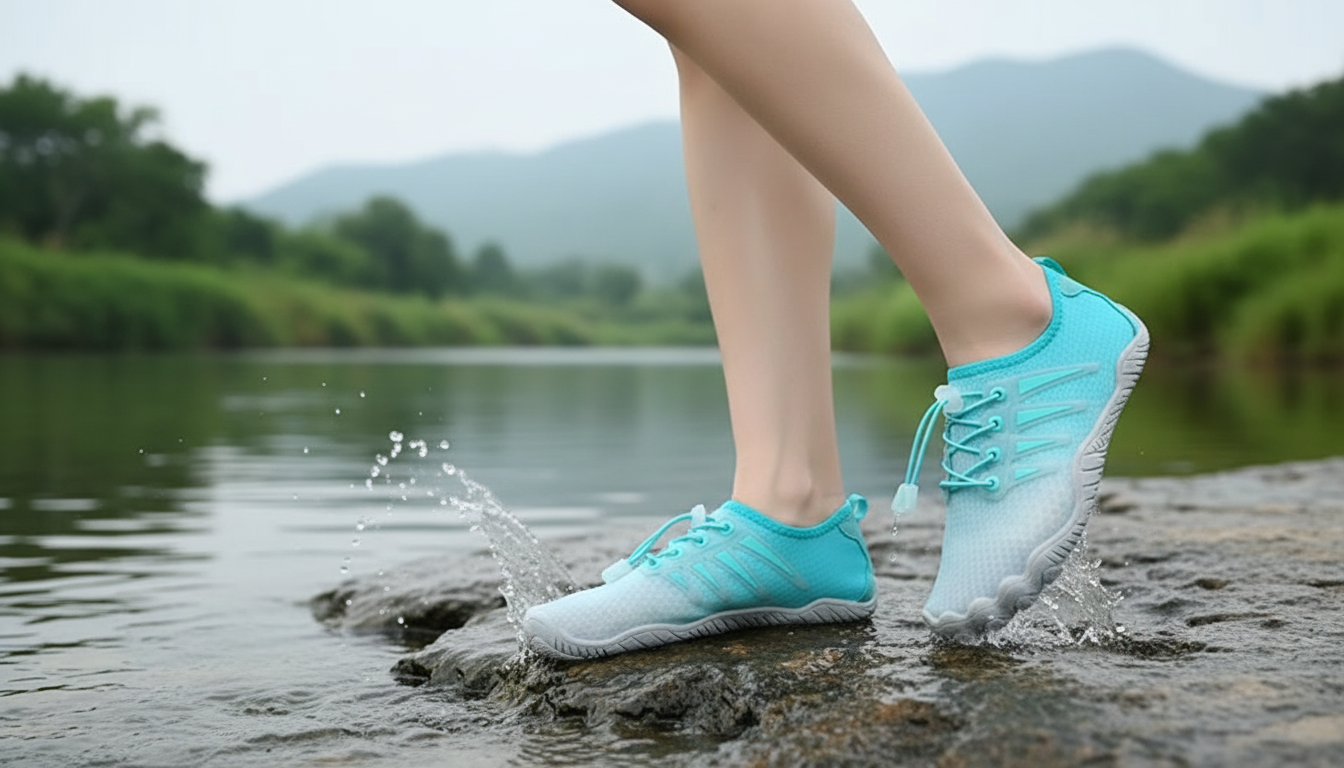
Breathable Quick Drying Water Shoes for Men and Women
Comfort in and out of the water depends on three things: drainage, traction, and a fit that stays secure when wet. Breathable quick drying water shoes are built for beach days, poolside walking, rocky shorelines, and travel—helping feet dry faster while staying protected from hot sand and sharp surfaces. Whether you’re stepping off a boat, crossing a pebbly riverbed, or walking through a splash zone at a water park, the right pair reduces slipping, cuts down that heavy waterlogged feel, and keeps you moving confidently.
What Makes a Good Pair of Water Shoes
Not all water shoes handle real-world surfaces the same way. A dependable pair balances water management, comfort, and protection so they work both in the water and on nearby land.
- Fast water exit: Uppers and soles that let water drain rather than trap it.
- Breathability: Materials that reduce heat buildup and help moisture evaporate.
- Grip: Outsole pattern that holds on wet tile, dock planks, and slick rocks.
- Foot protection: A barrier against shells, pebbles, and uneven terrain.
- Secure fit: Heel hold and midfoot support to prevent slipping when submerged.
- Easy on/off: Quick entry for frequent transitions between land and water.
If any one of these is missing, the experience usually suffers—like shoes that drain well but slide on wet pool decks, or shoes that grip nicely but stay soggy for hours.
Design Highlights to Look For
Small construction details make a big difference once shoes are soaked. Prioritize features that keep your stride stable and your feet comfortable during repeated wet-dry transitions.
- Breathable upper construction that promotes airflow and reduces the “soaked sock” feel.
- Quick-drying build that helps shoes feel lighter sooner after swimming or wading.
- Flexible sole that supports natural foot movement for walking, paddling, or light hikes.
- Toe and forefoot coverage to reduce discomfort from small impacts on rocks and shells.
- Low-profile shape that packs easily for vacations and day trips.
- Comfort-focused interior that minimizes rubbing during longer wear.
At-a-Glance Feature Checklist
| Feature | Why it matters | Best for |
|---|---|---|
| Breathable upper | Helps heat and moisture escape | Hot climates, long walks |
| Quick-drying materials | Reduces time spent in wet shoes | Beach-to-street transitions |
| Grippy outsole | Improves stability on slick surfaces | Pools, docks, boat decks |
| Protective coverage | Guards against sharp or rough terrain | Rocky shores, riverbeds |
| Flexible build | Improves comfort and movement | Travel, everyday wear |
Where These Shoes Perform Best
Water shoes aren’t just for swimming—they’re for the moments around the water that tend to cause slips, stubbed toes, and sore arches.
- Beach days: Helps handle hot sand, wet boardwalks, and shoreline pebbles.
- Pool and water parks: Traction support on wet tile and quick transitions to dry areas.
- Kayaking, paddleboarding, and boating: Comfort and grip for decks and launch points.
- Rivers and lakes: Added protection when walking across small stones or submerged branches.
- Travel: Lightweight option for packed itineraries that mix water and sightseeing.
- Gym showers and locker rooms (where permitted): A protective barrier on damp floors.
For pool and shared wet areas, basic hygiene matters too—rinsing and drying gear helps reduce unpleasant odors and keeps materials in better shape. The CDC’s guidance on healthy swimming is a helpful reference for pool-related hygiene habits: https://www.cdc.gov/healthy-swimming/index.html.
Fit and Comfort: Getting the Size Right
A water shoe that feels “fine” when dry can become distracting when wet if it shifts, rubs, or lets debris in. Fit should feel secure without pinching.
- Aim for a snug midfoot and secure heel to reduce movement when wet.
- Leave minimal extra space at the toe to avoid stubbing on rocks while still allowing comfort.
- If between sizes, choose based on use: snugger for swimming/watersports; slightly roomier for long walking.
- Wear them briefly indoors to confirm there are no pressure points at the heel collar or toe box.
- For wider feet, prioritize comfort at the forefoot; overly tight shoes can slow drying and cause rubbing.
For general footwear comfort and foot health considerations, the American Podiatric Medical Association is a reliable resource: https://www.apma.org/.
Care and Drying Tips
Quick-drying shoes still last longer and smell fresher with simple maintenance—especially if they see saltwater, lake water, or chlorine.
- Rinse after saltwater or chlorinated pool use to help preserve materials and reduce odor.
- Remove sand and small stones promptly to prevent abrasion inside the shoe.
- Air-dry in shade with good airflow; avoid leaving them in a sealed bag while damp.
- If odor develops, wash gently with mild soap and rinse thoroughly.
- Let shoes fully dry between uses when possible to maintain comfort and freshness.
When to Choose Water Shoes Instead of Sandals or Barefoot
Product Options (In Stock)
- Breathable Quick Drying Water Shoes for Men and Women — a lightweight, breathable choice designed for quick transitions between water and land. Helpful for beach trips, poolside walking, and travel days with mixed activities.
- Portable Eye Massager — a compact option for relaxing after long drives, flights, or screen-heavy travel days.
- 3-in-1 Bottle Gap Cleaner Brush — useful for cleaning reusable water bottles and travel tumblers after beach days and outdoor outings.
FAQ
Can water shoes be worn all day for walking?
Yes for light to moderate walking, especially when the fit is secure and there are no rub points. For long hikes or heavy mileage, dedicated walking or trail shoes are usually more supportive.
How should water shoes fit when they get wet?
They should feel snug without pinching. A secure heel and midfoot help prevent slipping, while excessive toe room can lead to stumbling on uneven surfaces.
What is the best way to dry water shoes quickly?
Rinse, shake out excess water, and air-dry in shade with strong airflow. Avoid sealing damp shoes in bags and skip high heat, which can damage materials.














Leave a comment