


Cherry Blossom Scratching Bed: A Cozy Cat Lounge
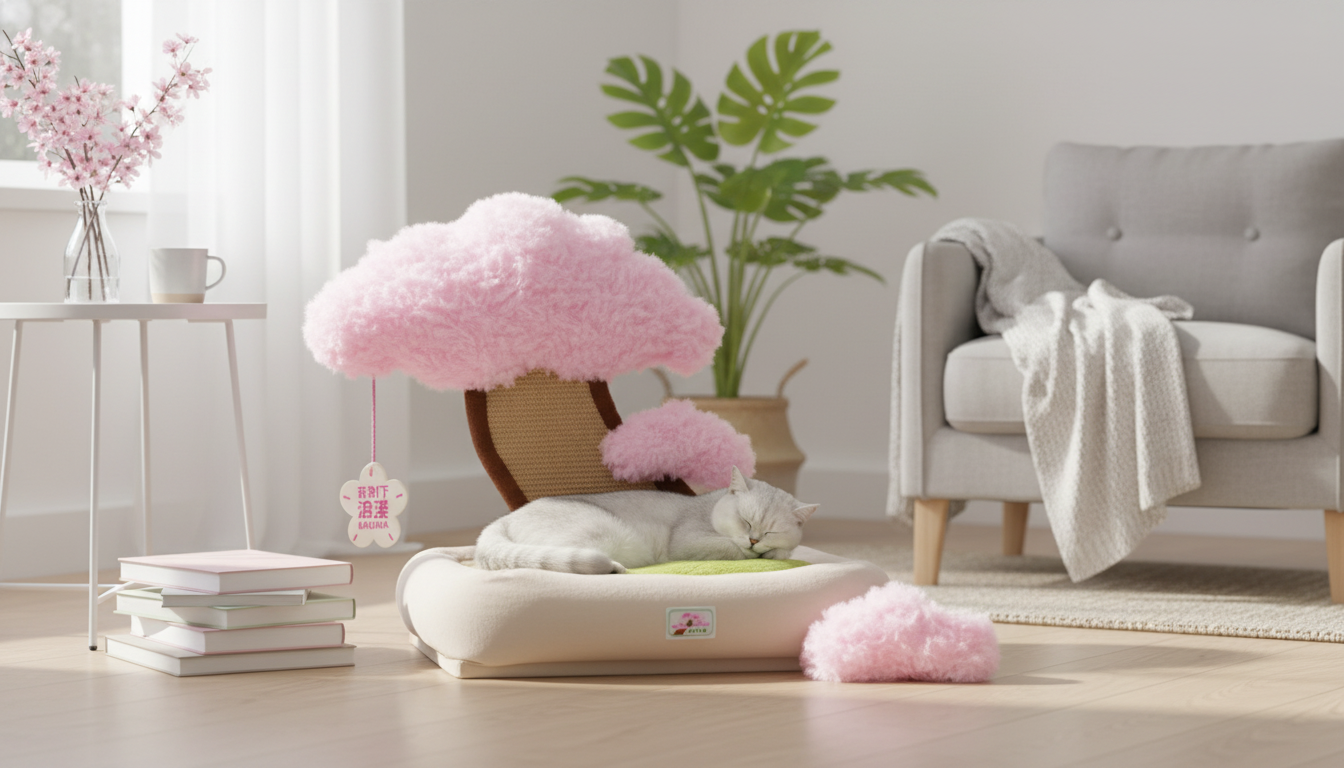
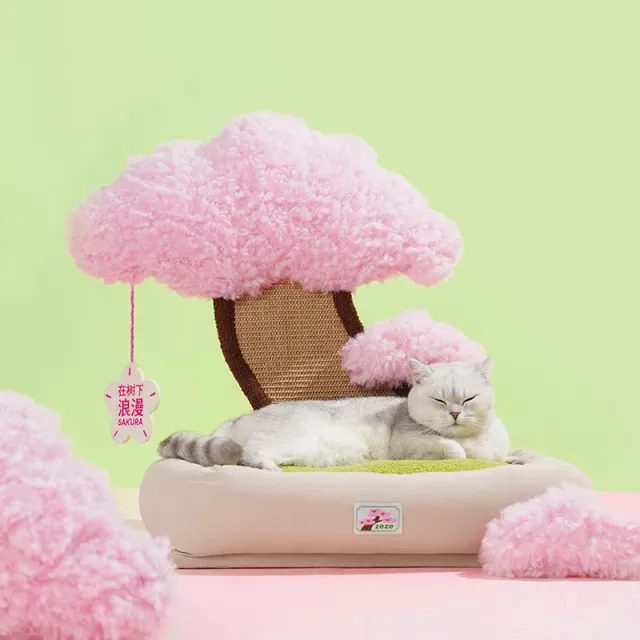
Cherry Blossom Cat Scratching Bed
A scratching bed that doubles as a cozy lounge spot can redirect clawing away from furniture while giving cats a comfortable place to rest. The Cherry Blossom Cat Scratching Bed combines a scratchable surface with a pet-friendly, decorative shape that fits naturally into living spaces—so it’s easier to keep out in the open where your cat is most likely to actually use it.
What Makes a Scratching Bed Worth Using Daily
A scratcher only “works” if it becomes part of your cat’s normal routine. Bed-style scratchers are especially helpful for cats that like to keep things low and horizontal.
- Gives cats a dedicated place to scratch, stretch, and mark territory, which can reduce damage to carpets and sofas.
- Low-profile bed style encourages lounging after scratching, helping it become a go-to hangout zone.
- Works well for cats that prefer horizontal scratching over tall posts.
- Supports routine enrichment when placed near favorite windows, nap spots, or social areas.
Scratching is a normal feline need tied to nail maintenance and communication. Resources like the ASPCA’s guide to scratching behavior emphasize that the goal isn’t to stop scratching—it’s to provide better options in the right locations.
Design Notes: The Cherry Blossom Look and Home Placement
If a scratcher looks like it belongs in your home, it’s easier to place it where it will be used most: out in the open. The cherry blossom-inspired silhouette adds a soft, decorative accent that can blend into modern and minimalist spaces rather than looking like an afterthought.
- Floral-inspired shape creates a gentle visual accent that doesn’t dominate the room.
- Best placement: near a primary resting area or in the room where scratching currently happens most.
- For multi-cat homes, consider placing scratching options in more than one location to reduce competition.
- Avoid hidden corners at first; many cats choose scratchers that sit along social pathways or near activity.
If your cat is currently targeting a sofa arm, place the scratching bed directly beside that “hot spot” to make the preferred choice effortless. Once your cat reliably uses the bed, you can shift it a few inches at a time to the final spot.
How Cats Use Scratching Beds (Behavior and Comfort)
Scratching isn’t misbehavior—it’s maintenance, movement, and messaging all at once. Scratching helps loosen old nail sheaths and keeps claws functional, while also letting cats stretch their shoulders and back.
- Cats often scratch upon waking or after energetic play; placing the bed near nap zones can increase use.
- Some cats alternate between scratching and kneading/resting—bed-style scratchers naturally encourage both patterns.
- If a cat is avoiding the scratcher, try changing the orientation (rotate it) or moving it closer to existing scratch spots.
For households trying to avoid stressful interventions, many welfare organizations encourage meeting scratching needs with appropriate scratch surfaces and positive reinforcement. Humane World for Animals also outlines why providing acceptable scratching outlets is key to reducing household conflict around this normal behavior: Scratching (Cats).
Quick Comparison: Scratching Bed vs. Post vs. Flat Pad
Different cats prefer different scratch styles—often depending on body size, mobility, and personal habit. Many cats do best when given both a vertical and a horizontal option.
| Type | Best for | Potential drawback | Placement tip |
|---|---|---|---|
| Scratching bed | Horizontal scratch + lounging | May not satisfy cats that prefer tall vertical scratch | Place near nap spots or where furniture scratching happens |
| Scratching post | Vertical stretchers and climbers | Takes more floor space; some cats ignore it | Put next to a sofa arm or near room entrances |
| Flat scratch pad | Cats that like simple horizontal scratch | Can slide or feel too small for big stretches | Use on a rug or add a non-slip mat underneath |
Getting a Cat to Use It (No Stress, No Force)
The fastest way to build a habit is to make the scratcher easy to discover, rewarding to use, and more appealing than the furniture option.
When owners feel desperate, declawing can come up as a topic—but major veterinary guidance emphasizes it should not be a default solution and that behavior-focused alternatives are preferred. For background, see the AVMA policy on declawing.
Care and Longevity
Cherry Blossom Cat Scratching Bed: Product Snapshot
- Name: Cherry Blossom Cat Scratching Bed
- Category: Mats & Houses
- Availability: In stock
- A decorative, bed-style scratcher designed for daily scratching and lounging in the same spot
- See current pricing, photos, and ordering details on the product page
More In-Stock Picks (Home & Everyday Comfort)
- 13-Color RGB LED Night Light for Kids (a gentle room light option for evening routines)
- Portable Eye Massager (a compact comfort gadget for downtime)
FAQ
Do cats prefer scratching beds or scratching posts?
It varies by cat, and many cats like both. Scratching beds tend to suit cats that prefer horizontal scratching and lounging, while posts are often best for cats that enjoy a tall vertical stretch. If possible, offering one of each covers more preferences.
Where should a scratching bed be placed for the best results?
Place it near whatever your cat already scratches (like a sofa corner), near sleep areas for post-nap scratching, or along a social pathway where your cat naturally walks. In multi-cat homes, adding scratchers in more than one room can reduce competition and increase use.
How can furniture scratching be redirected without punishment?
Put the scratching bed right next to the furniture target, then reward your cat for investigating and scratching the bed with treats, praise, or play. Temporary barriers or covers on the favorite furniture spot can help break the habit while the new routine forms.















Leave a comment