


Cozy Enclosed Pet Dog Bed: Calming Den for Sleep
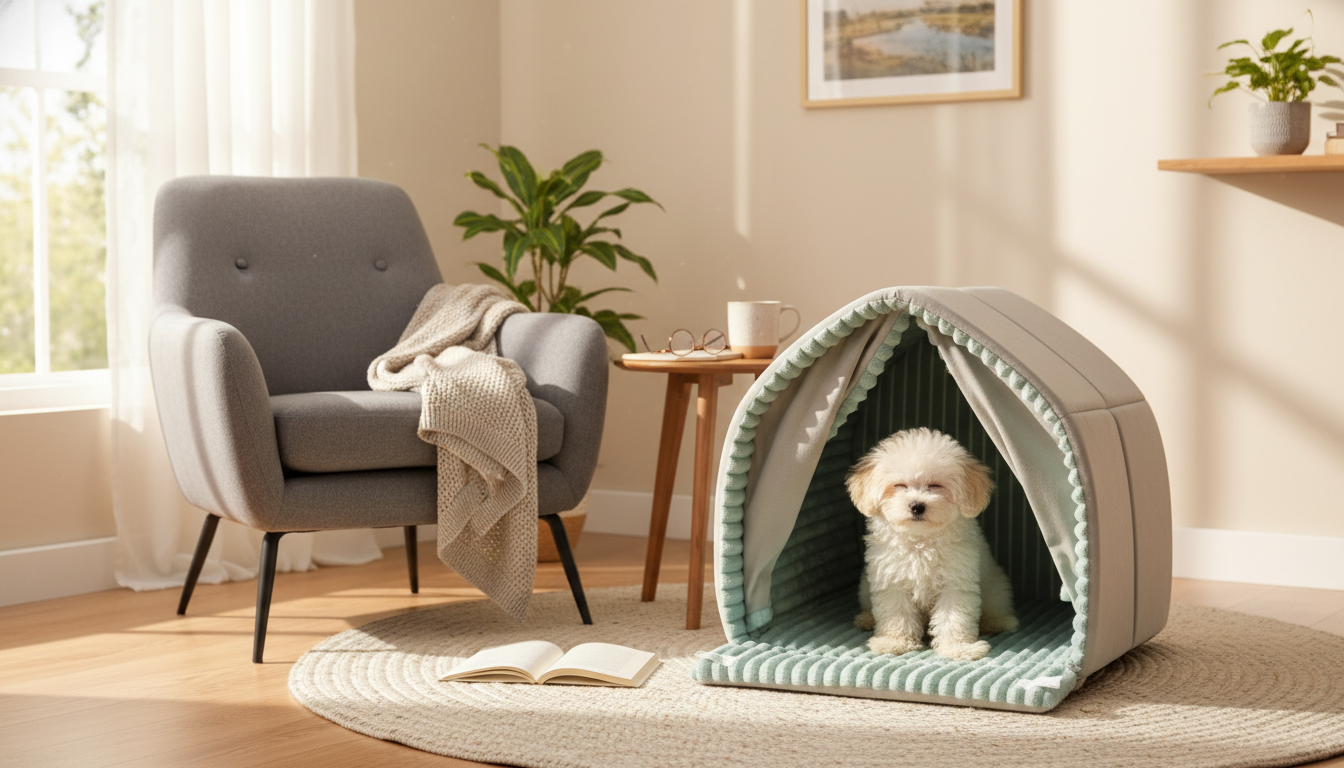
Cozy Enclosed Pet Dog Bed: A Snug, Den-Like Retreat for Restful Sleep
Some dogs relax best when they can curl up in a space that feels sheltered and warm. A cozy enclosed pet dog bed creates a den-like nook that supports deeper rest, reduces exposure to drafts, and gives anxious or shy pups a place to decompress. If your dog tends to burrow into blankets, wedge behind pillows, or claim the quietest corner of the room, an enclosed bed can feel like a familiar “hideaway”—only softer and more consistent.
What Makes an Enclosed Dog Bed Feel So Comforting
Dogs may seek covered spaces for many reasons: instinct, comfort, temperature, or simply preference. An enclosed bed takes those natural cues and turns them into a dedicated rest zone that’s easy to keep in the same spot every day.
- Den-style coverage helps many dogs settle by offering a sense of privacy and reduced visual stimulation.
- Warmth retention can be helpful in cooler rooms or for pets that seek heat (without needing an electric warmer).
- A defined “sleep zone” can support routine—especially useful for rescue dogs, new puppies, or multi-pet homes.
- Bolstered sides give a natural head-resting spot and can support curled sleeping positions.
For dogs that get distracted by household motion, the “roof” effect can reduce what they notice from across the room. For dogs that like to nest, the enclosed shape encourages that tucked-in posture—often leading to longer, more uninterrupted naps.
Cozy Enclosed Pet Dog Bed: Highlights to Know
If you’re setting up a calm sleep corner, the Cozy Enclosed Pet Dog Bed is designed around the idea of a snug, indoor-friendly retreat. It’s a practical option for many small to medium dogs (and plenty of cats) that prefer a covered resting spot.
- Enclosed design creates a sheltered nook for pets that like to burrow, hide, or nest.
- Soft interior encourages curling up and staying put, which can reduce pacing at bedtime.
- Works well in bedrooms, living rooms, home offices, or quiet corners where a pet can retreat undisturbed.
- A practical option for small to medium dogs (and many cats) that prefer covered sleeping spots.
Quick Overview
| Feature | Why It Matters |
|---|---|
| Enclosed/covered shape | Provides a den-like feel that can help pets relax and feel protected |
| Plush, cozy interior | Encourages longer rest and warmth, especially on cooler floors |
| Bolstered edges | Supports head/neck resting and helps pets stay comfortably tucked in |
| Indoor-friendly footprint | Fits easily in corners and alongside furniture without taking over a room |
Who This Bed Tends to Suit Best
Not every dog wants a covered bed, but for the right personality and sleep style, an enclosed option can quickly become the most-used spot in the home.
- Dogs that naturally burrow under blankets or push into couch cushions to sleep.
- Shy, noise-sensitive, or easily overstimulated pets that prefer a little privacy.
- Small dogs that cool down quickly and seek warm, protected resting places.
- Pets adjusting to a new home who benefit from a consistent “safe spot.”
If your dog startles easily, watch whether they consistently choose tucked-away places on their own. That’s often a strong clue they’ll appreciate an enclosed bed more than an open mat.
Choosing the Right Size and Placement
Comfort depends on two things: sizing that matches your dog’s natural posture and placement that supports calm.
- Measure your dog from nose to base of tail and compare to the bed’s inner sleeping area; aim for enough space to curl and stretch lightly without feeling exposed.
- Check your dog’s preferred sleep posture. If your pet sleeps fully sprawled out, consider whether an enclosed style still allows that preferred position.
- Avoid drafts and traffic. Place the bed away from high-traffic pathways and direct airflow (doors, vents) to keep it calm and warm.
- Pick a predictable location for anxious pets: same corner, same room, and minimal sudden foot traffic.
When the bed stays in one reliable spot, many dogs begin to treat it like “their room.” That consistency can be especially helpful during schedule changes, visitors, or noisy evenings.
Care and Everyday Use Tips
Small habits make a big difference in whether a new bed becomes a true favorite. The goal is to build a quiet, positive association—no pressure required.
When an Enclosed Bed Might Not Be the Best Match
Build a Cozy “Rest Corner” That Works All Day
- 13-Color RGB LED Night Light for Kids can add a gentle glow for evenings, without turning on bright overhead lights.
- Portable Eye Massager is a simple add-on for owner wind-down time—helpful when bedtime routines include quiet bonding and decompression.
For more guidance on anxiety signs and ways to support calm behavior, review resources from the American Kennel Club (AKC), general behavior tips from the ASPCA, and cold-weather comfort considerations from the American Veterinary Medical Association (AVMA).
FAQ
Are enclosed dog beds good for anxious dogs?
A covered, den-like space can reduce visual stimulation and help some dogs feel more protected while they rest. Results vary, but a calm placement and gradual introduction often improve acceptance.
How do you choose the right size for an enclosed dog bed?
Measure your dog from nose to the base of the tail and compare it to the bed’s interior sleeping area. Choose a size that allows comfortable curling and a bit of stretching while still feeling sheltered, and consider your dog’s usual sleep position.
How can a dog be encouraged to use a new enclosed bed?
Place a familiar-scent item inside, offer a few treats near the opening, and let your dog explore on their own. Reward voluntary steps toward the bed and avoid forcing entry so the space stays associated with calm.













Leave a comment