


Cozy Fleece Jacket + Detachable Hat for Dogs & Cats
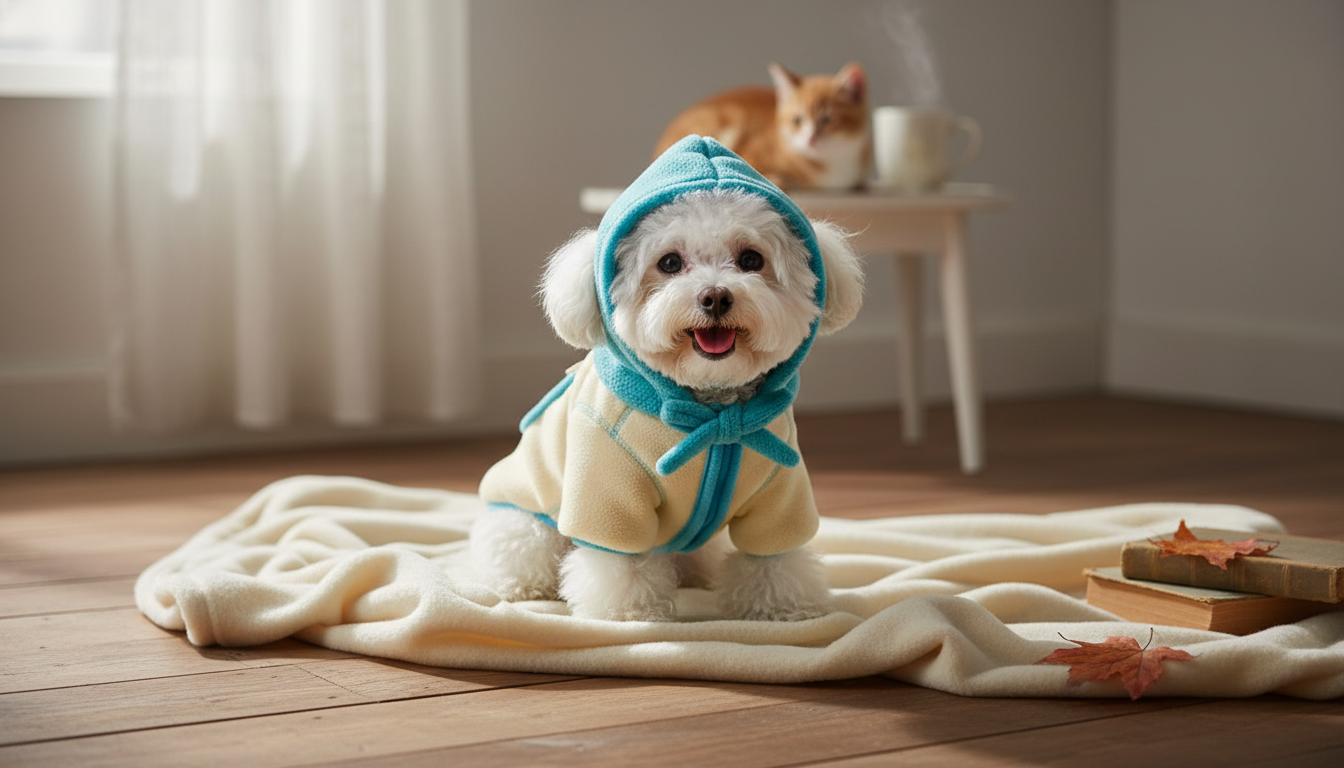
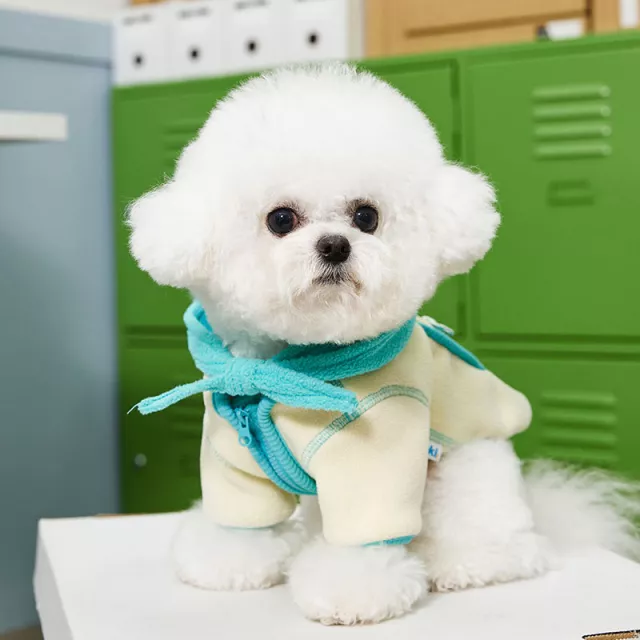
Warm Fleece Jacket with Detachable Hat for Dogs and Cats
Cold-weather outings can be uncomfortable for pets with short coats, low body fat, or sensitive joints. A fleece jacket adds warmth without the bulk of heavy outerwear, and a detachable hat offers flexible coverage for windy days while letting pets move, sniff, and play normally. For many households, the right winter layer also makes quick potty breaks and drafty indoor time more comfortable—without turning the thermostat up for everyone. For more guidance, see 10 True and Tested Cruelty-Free, Eco-Friendly Vegan Winter Jackets.
Why a Fleece Jacket Helps in Winter
Fleece is a practical cold-season staple because it traps warmth close to the body while staying lightweight. That balance matters for pets that need extra insulation but still want to walk naturally and explore at their usual pace.
- Reduces heat loss during short walks, potty breaks, and time spent in drafty homes
- Supports comfort for small breeds, seniors, and pets that shiver easily
- Adds a soft insulating layer that can be worn alone or under a rain shell when conditions are damp
- Helps keep indoor temperatures comfortable without overheating the entire home
Veterinary organizations also emphasize limiting exposure and watching for cold-weather risks during winter routines. See guidance from the American Veterinary Medical Association (AVMA) on cold weather safety and the ASPCA’s cold weather tips.
Detachable Hat: Flexible Coverage When the Weather Changes
Some days are cold but calm; other days are windy, extra-chilly, or spitting light snow. A detachable hat lets you adjust coverage based on conditions and your pet’s tolerance—without committing to a full hooded design every time.
- Attach the hat for extra warmth around the head/neck area on windy or extra-cold days
- Remove the hat indoors or during active play to reduce the chance of overheating
- Useful for pets that dislike head coverings—start without the hat, then gradually introduce it
- Helps keep light snow and cold air off the upper neck while maintaining visibility
If your pet is new to wearing clothing, keep the first few sessions low-pressure: a treat, a calm room, and a short wear time. The goal is “normal movement first,” then extra accessories like a hat only if your pet stays relaxed.
Fit and Sizing: Getting a Cozy, Safe Feel
Warmth only helps if the jacket fits correctly. A jacket that’s too tight can restrict breathing and shoulder movement, while a loose fit may shift, rub, or let cold air funnel underneath.
- Measure chest girth (widest part of the ribcage) and back length (base of neck to tail base) before choosing a size
- Aim for a snug-but-not-tight fit: two fingers should slide comfortably under the jacket at the chest
- Confirm the jacket doesn’t restrict shoulder movement—watch for free stride and normal posture
- If between sizes, choose based on chest girth first to prevent tightness around the lungs
- Keep the hat attachment loose enough to avoid rubbing, especially behind ears and under the jaw
Quick Fit Check Before Going Outside
| Check | What to Look For | Adjustment Tip |
|---|---|---|
| Chest fit | Two-finger space; no digging at armpits | Size up if armpits rub or breathing looks restricted |
| Back coverage | Covers from neck to near tail base without curling up | Reposition and smooth fabric; confirm back length |
| Neck/hat comfort | No rubbing behind ears; pet can turn head freely | Remove hat first if pet scratches or shakes repeatedly |
| Movement | Normal walking, sitting, and toileting posture | Loosen closures and retest indoors for 2–3 minutes |
Comfort and Warmth Without the Bulk
Bulky winter coats can feel stiff, loud, or restrictive—especially for small dogs, cats, and pets that prefer a “barely there” layer. Fleece is often easier to tolerate because it moves with the body.
- Fleece provides insulation while staying lightweight for everyday wear
- Soft texture can be easier for pets that dislike stiff coats
- Works well for layering: fleece as the warm base, optional outer layer for wind/rain
- Ideal for short trips outside, car rides, and cold indoor floors
For damp conditions, layering can be especially helpful: fleece holds warmth, while an outer shell blocks wind and moisture. After any wet walk, remove layers promptly and dry your pet to prevent chills.
Daily Use Tips for Winter Walks
Once the jacket becomes part of the routine, winter outings tend to feel smoother—for you and your pet. The key is using it consistently and checking comfort as conditions change.
Care and Maintenance
Warm Fleece Jacket with Detachable Hat: What to Expect
Shop Winter Comfort Favorites
- Warm Fleece Jacket with Detachable Hat – Winter Pet Clothing for Dogs and Cats ($25.67)
- 13-Color RGB LED Night Light for Kids ($10.97)
- Portable Eye Massager ($5.97)
FAQ
How do you measure a dog or cat for a winter jacket?
Measure chest girth around the widest part of the ribcage and back length from the base of the neck to the base of the tail. Prioritize chest fit so breathing isn’t restricted, and aim for about a two-finger space under the jacket at the chest for comfort.
Should pets wear a hat in winter?
Some pets benefit from extra coverage in wind and very cold conditions, but tolerance varies widely. A detachable hat is a good option because you can use it briefly, watch for rubbing or stress, and remove it if your pet seems uncomfortable.
Can a fleece jacket be worn under a raincoat?
Yes—fleece works well as a warm mid-layer under a raincoat or wind shell, as long as the outer layer isn’t tight or restrictive. After the walk, remove wet layers quickly and dry your pet to help prevent chills.















Leave a comment