


Dog Sunglasses for Small Dogs: Fit, Comfort & UV Care
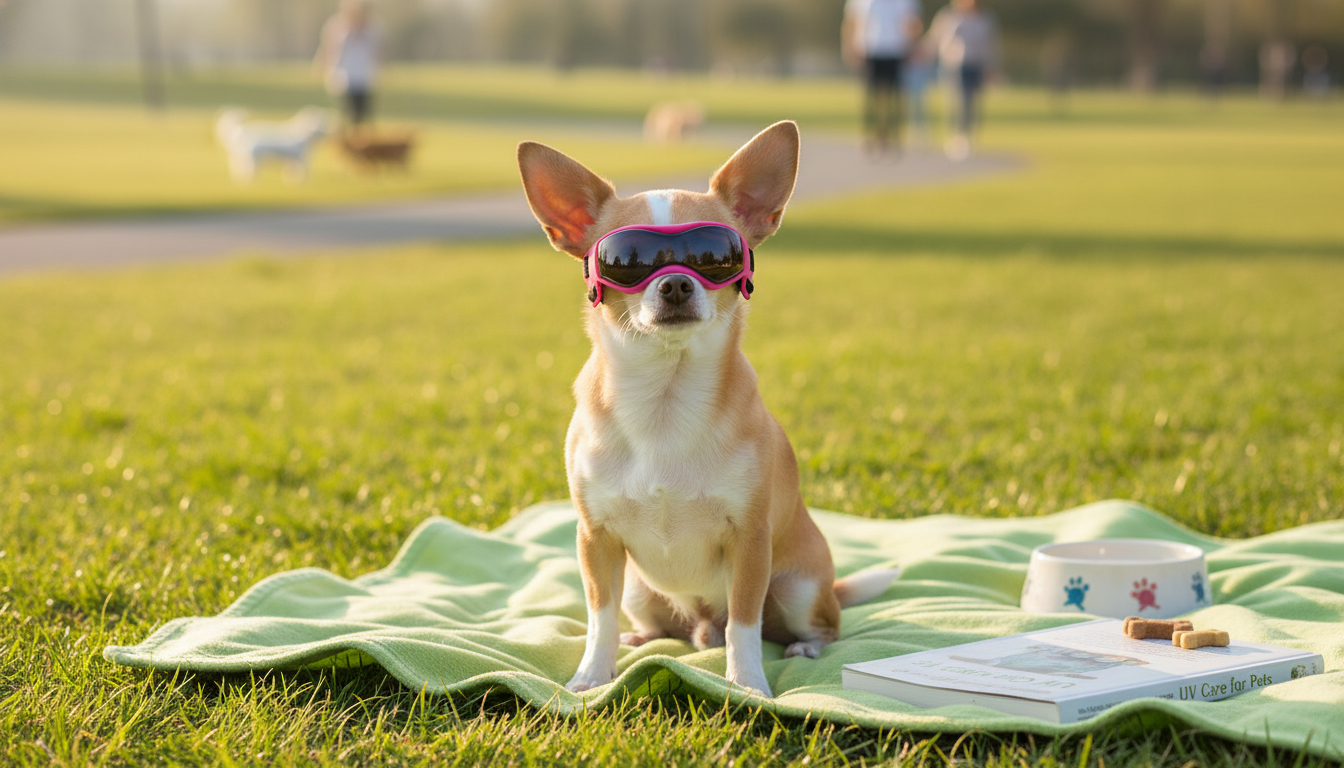
Dog Sunglasses for Small Dogs: Comfort, Fit, and Everyday Eye Protection
Dog sunglasses can do more than add a cute finishing touch—they can help reduce glare and shield your dog’s eyes from wind, dust, and stray debris during walks, rides, and outdoor play. For small breeds in particular, the best results usually come from choosing a lightweight frame, a secure strap system, and a fit that doesn’t press on the eyes or interfere with breathing. When the glasses feel “barely there,” dogs are far more likely to tolerate them for real-world use.
When Dog Sunglasses Are Most Useful
Small dogs are closer to the ground and often more exposed to kicked-up grit, sidewalk dust, and wind turbulence—especially during faster movement or car rides. Sunglasses can be a practical layer of protection in a few common situations:
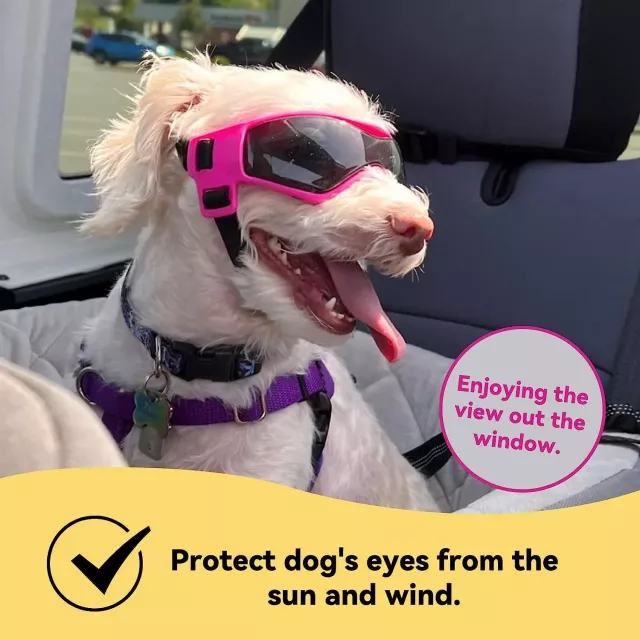
- Car rides with the window cracked: helps limit wind drying and airborne grit hitting the eyes.
- Beach, snow, and bright pavement: reduces harsh glare that can cause squinting and watery eyes.
- Hiking and trail walks: adds a barrier from brush, dust, and flying debris on narrow paths.
- Post-grooming or after eye irritation (vet guidance recommended): minimizes exposure to wind and particles while your dog settles.
- City walks: helps with dust, pollen, and light reflecting off glass and metal surfaces.
For general sun safety habits (like avoiding peak heat and providing shade), the American Kennel Club shares practical guidance at AKC.org.
What to Look for in a Pair That a Dog Will Actually Wear
Most “won’t wear it” problems come down to either comfort or stability. Prioritize these features so the glasses stay centered without feeling tight:
- Lens quality: look for UV protection and a tint that isn’t overly dark for shaded sidewalks or tree cover.
- Comfortable padding: soft contact points on the nose bridge and around the frame help prevent rubbing.
- Stable fit: dual-strap systems (head + under-chin) tend to stay centered better during movement.
- Lightweight frame: small dogs often accept lighter eyewear for longer sessions.
- Ventilation: reduces fogging and helps keep the eye area comfortable.
- Durability: scratch resistance and flexible materials hold up better to drops and curious pawing.
Fit and Sizing Checklist for Small Dogs
Small-breed faces can vary a lot—think Chihuahua vs. Shih Tzu vs. Yorkie—so sizing by weight alone often misses the mark. A quick measuring step can prevent slipping, pressure marks, and lens contact with eyelashes.
- Measure before buying: eye-width area, head circumference, and distance between ears.
- Aim for clearance: lenses shouldn’t touch eyelashes or press into the eye socket.
- Strap tension: snug enough to prevent sliding, loose enough to fit two fingers under the strap.
- Watch breathing and posture: if your dog freezes, lowers the head, or rubs the face, adjust right away.
- Test movement: a few steps, a shake, and a quick trot reveal slipping or pressure points fast.
Quick Fit Check (Small Dog Sunglasses)
| Checkpoint | What “Good” Looks Like | Fix If It’s Off |
|---|---|---|
| Lens position | Centered over both eyes; no tilting | Adjust head strap; reposition nose padding |
| Eye clearance | No lash contact; no pressure near inner corners | Loosen straps; try a wider frame shape |
| Nose/bridge comfort | No red marks after 2–3 minutes | Add/adjust padding; reduce strap tension |
| Stability during shake | Stays in place after a head shake | Tighten under-chin strap; check strap angle |
| Fogging | Minimal fog; clears quickly | Improve ventilation; avoid overly tight fit |
Training Tips: Helping a Dog Get Comfortable Wearing Sunglasses
Even a perfect fit can feel “weird” at first. A calm, gradual approach usually works better than trying to put them on right before a big outing.
Care and Safety Notes
- Clean with microfiber: avoid rough paper products that can scratch.
- Rinse dust off first: don’t grind grit into the lens surface.
- Inspect straps and buckles: check regularly for fraying or weak points.
- Don’t leave in a hot car: heat can warp frames and degrade straps. For broader heat safety reminders, see AVMA.org.
- Skip use with eye symptoms: if there’s discharge, swelling, or persistent squinting, pause and get veterinary guidance. VCA’s resource hub at VCAHospitals.com is a helpful starting point for understanding when to see a vet.
A Lightweight Option for Smaller Faces
Shop Helpful Add-Ons
- Small Dog Sunglasses — a compact eyewear option designed for smaller faces when you want everyday protection from glare, wind, and airborne dust.
- 3-in-1 Bottle Gap Cleaner Brush — handy for cleaning the tight corners of water bottles and small travel containers that often come along on outdoor adventures.
- 13-Color RGB LED Night Light for Kids — a simple way to add a soft, steady light for nighttime routines in unfamiliar places (useful for travel or a calm corner at home).
FAQ
Do dogs really need sunglasses?
Many dogs don’t need them for everyday life, but sunglasses can be useful for bright glare, windy car rides, dusty trails, and situations where your dog tends to squint or tear up outdoors. They’re optional for most pets, but practical for specific activities and sensitivities.
How tight should dog sunglasses straps be?
The fit should be snug enough that the frame doesn’t slide, but loose enough to comfortably fit two fingers under the strap. If you see pressure marks, restricted breathing, or the lenses touching eyelashes, loosen and readjust.
How do you keep dog sunglasses from falling off?
Start with correct sizing, align the frame before tightening, and use a dual-strap setup so it stays centered. Short training sessions also help reduce pawing and head shaking that can knock the glasses out of place.














Leave a comment